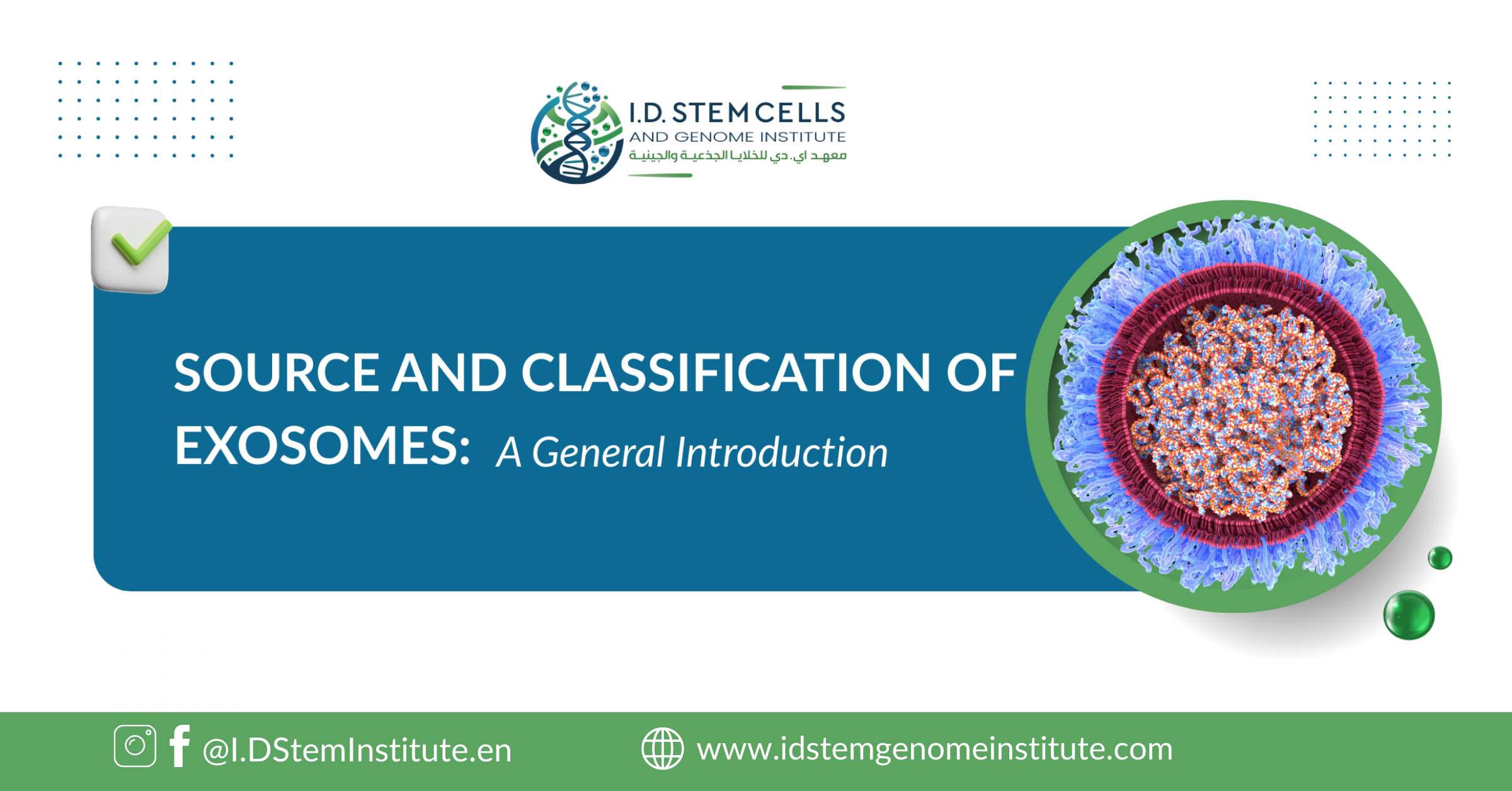
Depending on whether exosomes have been artificially modified, they are broadly classified into natural exosomes and engineered exosomes.
Depending on their species of origin, exosomes are divided into animal-derived and plant-derived exosomes. Currently, exosomes are primarily classified according to their parent cell type. Almost all human cell types can produce exosomes. These include, but are not limited to, macrophages, dendritic cells (DCs), platelets, stem cells, and even cancer cells.
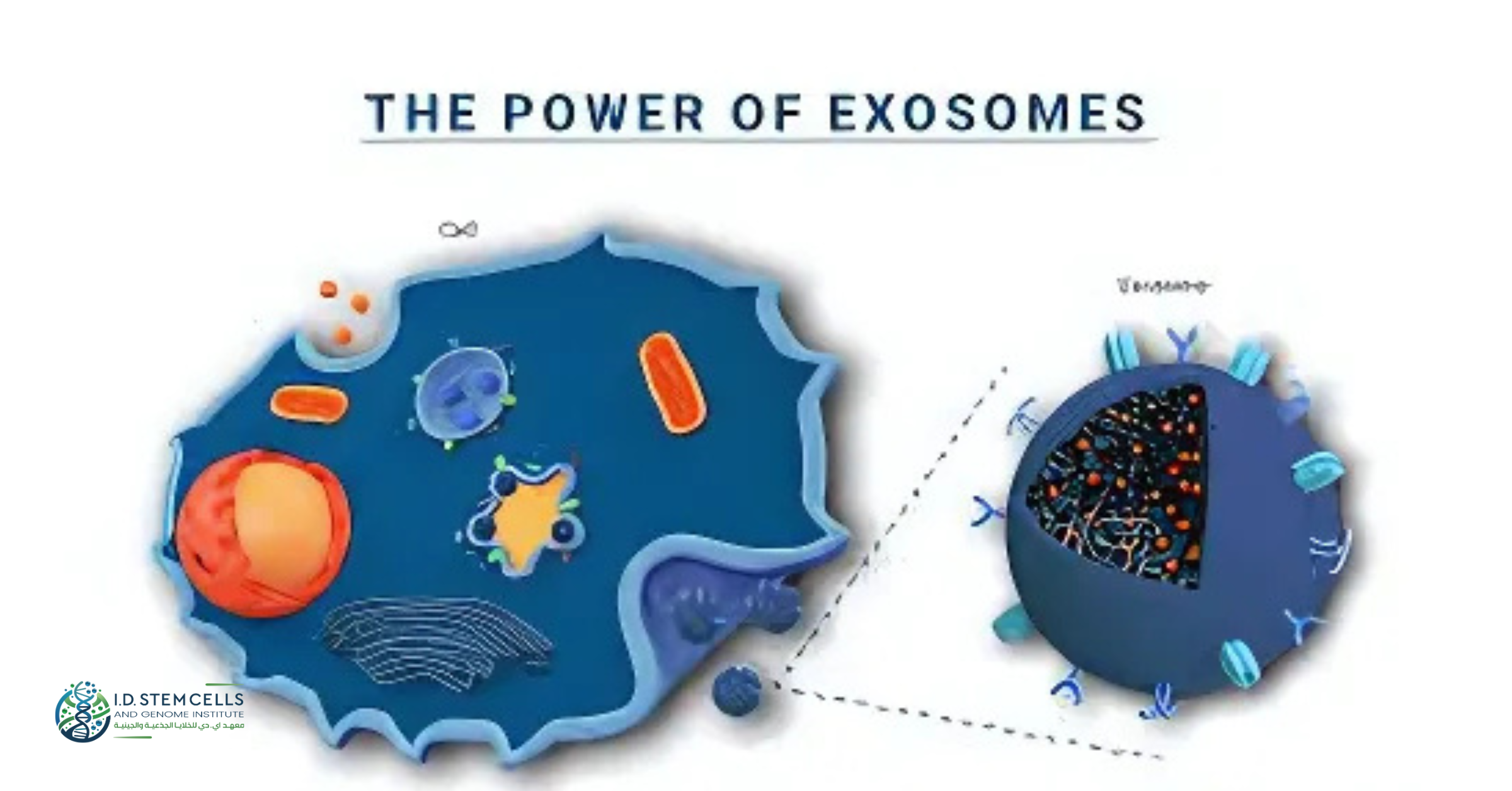
For example, macrophage-derived exosomes contribute to disease progression (e.g., diabetes, atherosclerosis, and heart failure) and disease treatment (e.g., skin wounds, inflammatory bowel disease, fungal and viral infections). However, they appear to play contradictory roles in tumor suppression and tumor promotion.
Like DCs, DC-derived exosomes (Dex) can also interact with immune cells (e.g., T cells, B cells, and natural killer cells) through their surface proteins, such as major histocompatibility complexes (MHCs).
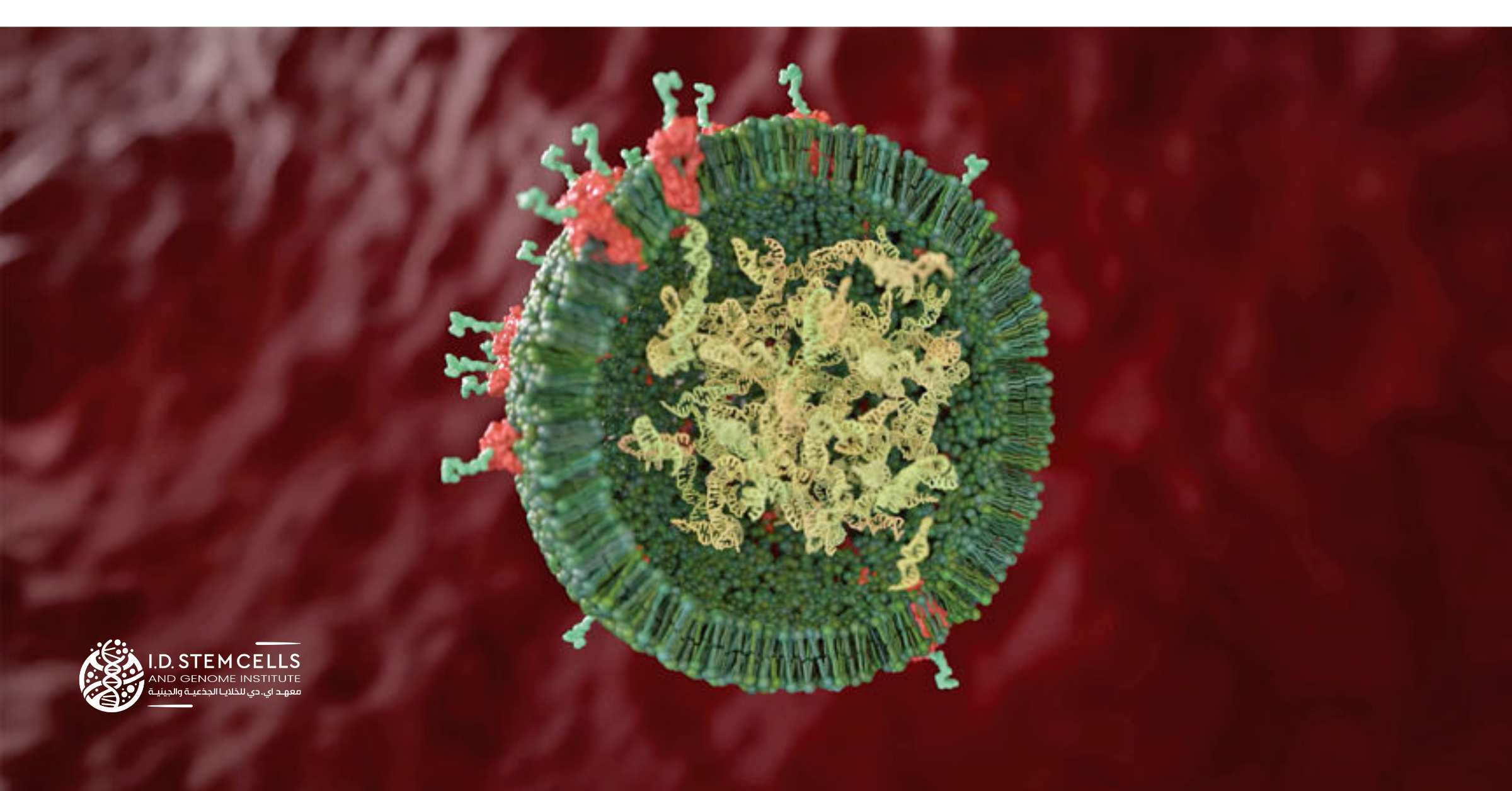
Some preclinical and clinical trials have demonstrated the efficacy and safety of Dex-based immunotherapy for cancers. Furthermore, tumor-derived exosomes (Tx) not only play a role in tumor proliferation, invasion, metastasis, and immunity, but can also be used as biomarkers for cancer diagnosis and treatment. Recently, Tx has been used as a biomarker, antitumor drug, and antigen presenter for vaccination against DCs, serving as a promising cell-free cancer immunotherapy. Finally, the clinical applications of dendritic cell-derived exosomes will be discussed in detail in the following sections.
Exosomes can be found in all body fluids, such as blood, saliva, urine, plasma, tears, semen, amniotic fluid, and even breast milk. Exosomes derived from body fluids are a highly stable reservoir of disease biomarkers, aiding liquid biopsy in various clinical settings such as cancer, cardiovascular disease, and perinatal disorders. However, the commensal contents and availability of each type of body fluid may pose challenges to exosome isolation.