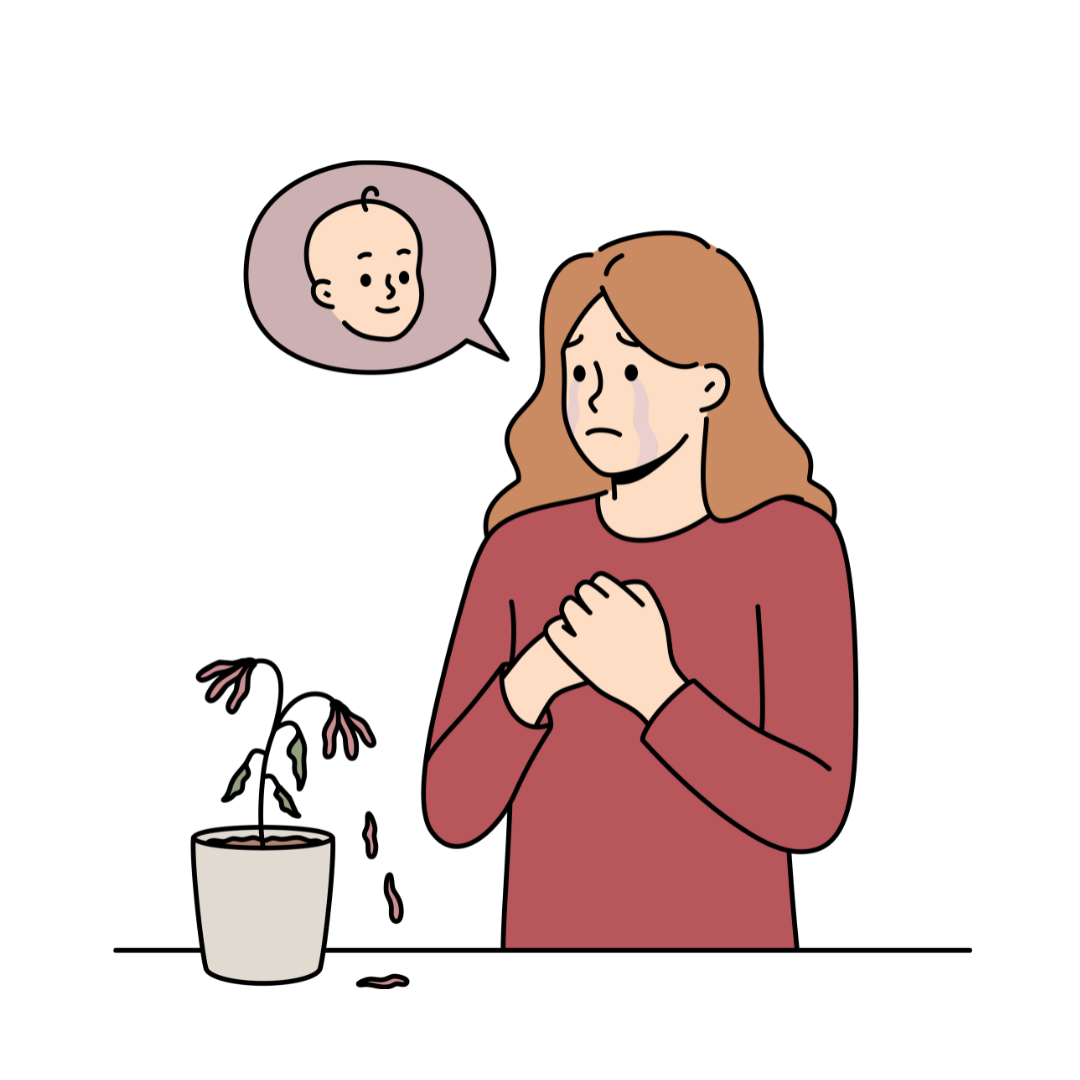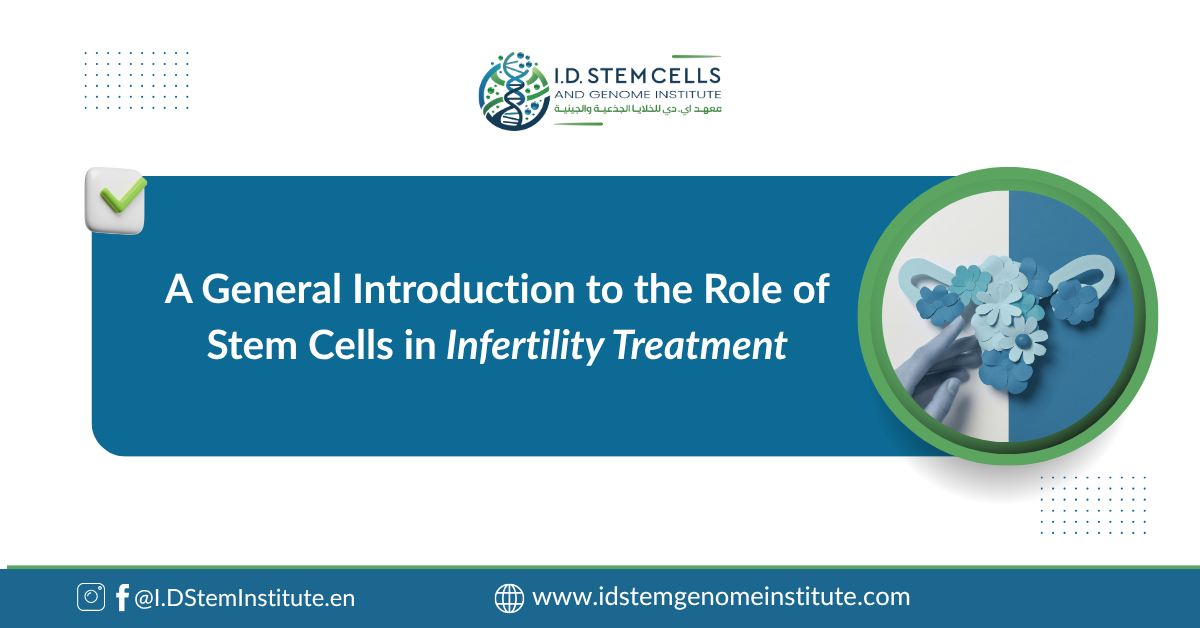
Infertility is a globally recognized problem caused by various reproductive disorders. To date, various therapeutic approaches have been tried to restore fertility, including specific drug therapies, hormonal therapies, surgical removal, and assisted reproductive technologies.
Infertility is one of the most significant issues affecting the health and social lives of individuals. Both men and women contribute equally to the etiology of infertility, and its causes include age, anatomical defects, ovulatory dysfunction, male factors, infections, environmental issues, genetic disorders, and autoimmune diseases.
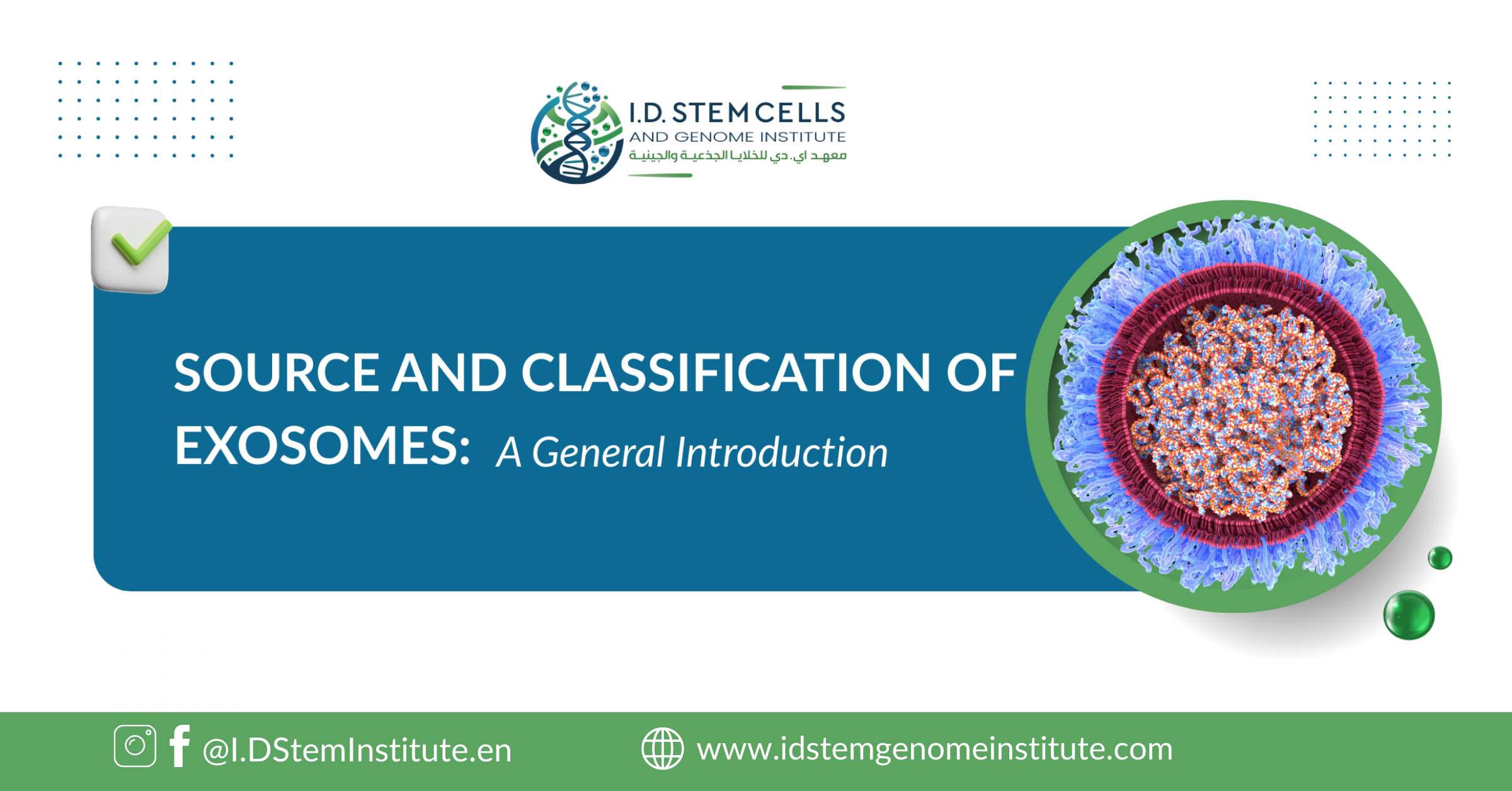
Although these existing therapies may yield results, fertility restoration is not achieved in all cases. Advances in the use of stem cell (SC) therapy hold great promise for treating patients with infertility due to their ability to self-renew, differentiate, and produce various paracrine factors to regenerate damaged or injured cells and regenerate infected germ cells. Furthermore, stem cells secrete extracellular vesicles (EVs) containing biologically active molecules, including nucleic acids, lipids, and proteins. Numerous studies have indicated that stem cell transplantation or the transplantation of stem cells derived from them plays a crucial role in regenerating various parts of the reproductive system, producing eggs, and initiating sperm production.