Alzheimer's disease is a neurodegenerative disorder characterized by progressive memory loss and cognitive decline, affecting millions of people worldwide. Recent research efforts focus on understanding the molecular pathology, risk factors, diagnostic methods, treatment options, and preventive strategies.
The molecular pathology of Alzheimer's disease includes the accumulation of amyloid-beta plaques and neurofibrillary tangles composed of hyperphosphorylated tau protein in the brain. Amyloid-beta plaques disrupt communication between neurons and trigger inflammation, while neurofibrillary tangles impede intracellular transport and lead to neuronal death. Other pathological processes contributing to Alzheimer's disease include neuroinflammation, oxidative stress, mitochondrial dysfunction, and vascular changes. Activation of microglia and astrocytes releases pro-inflammatory factors, which further damage neurons. Oxidative stress, caused by an imbalance between free radical production and antioxidant defenses, can lead to neuronal damage and tau tangles. Mitochondrial dysfunction impairs energy production and increases oxidative stress, contributing to neurodegeneration. Vascular changes, including cerebral atherosclerosis and small vessel ischemia, can impede blood flow and reduce the supply of oxygen and glucose to the brain, exacerbating cognitive decline.

Risk Factors:
Risk factors for Alzheimer's disease include age, genetics, cardiovascular factors, and lifestyle choices. Age is the largest risk factor, as the risk of developing the disease increases significantly with age. Genetic factors also play an important role. Mutations in genes such as amyloid precursor protein (APP), presenilin 1 (PSEN1), and presenilin 2 (PSEN2) increase the risk of early-onset Alzheimer's disease. The apolipoprotein E4 (APOE4) gene also increases the risk of late-onset Alzheimer's disease.
Cardiovascular risk factors, such as high blood pressure, diabetes, obesity, and high cholesterol, are associated with an increased risk of Alzheimer's disease. Lifestyle factors, including physical inactivity, smoking, and an unhealthy diet, have also been associated with an increased risk.
Risk Factors:
Risk factors for Alzheimer's disease include age, genetics, cardiovascular factors, and lifestyle choices. Age is the largest risk factor, as the risk of developing the disease increases significantly with age. Genetic factors also play an important role. Mutations in genes such as amyloid precursor protein (APP), presenilin 1 (PSEN1), and presenilin 2 (PSEN2) increase the risk of early-onset Alzheimer's disease. The apolipoprotein E4 (APOE4) gene also increases the risk of late-onset Alzheimer's disease.
Cardiovascular risk factors, such as high blood pressure, diabetes, obesity, and high cholesterol, are associated with an increased risk of Alzheimer's disease. Lifestyle factors, including physical inactivity, smoking, and an unhealthy diet, have also been associated with an increased risk.
Diagnosis
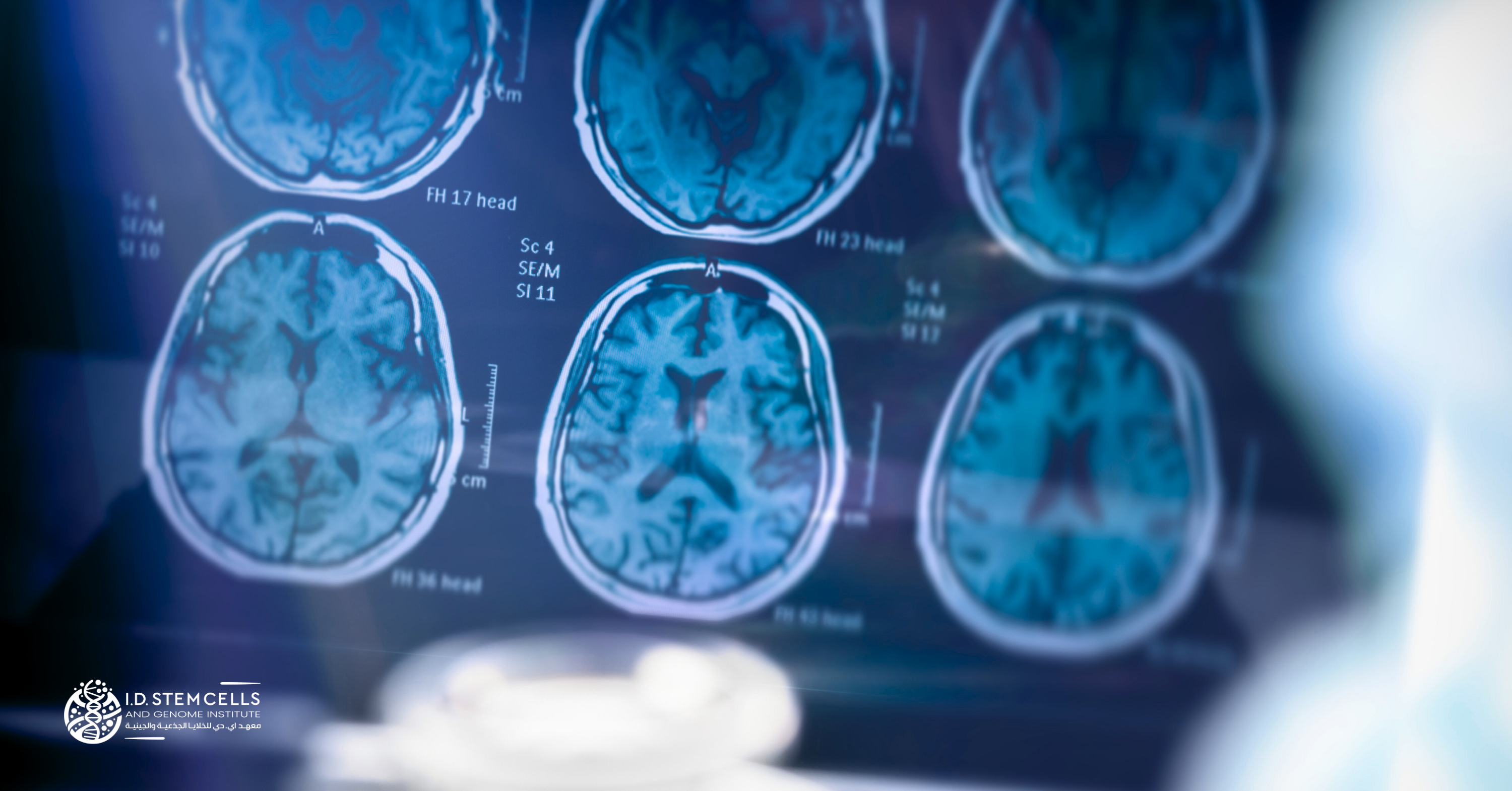
Diagnosing Alzheimer's disease involves a clinical evaluation, neurological examinations, neuroimaging, and biomarker tests. The clinical evaluation includes an assessment of the patient's medical history, cognitive decline, and behavioral function. Neurological examinations help assess cognitive function, memory, language, and visuospatial skills. Magnetic resonance imaging (MRI) and positron emission tomography (PET) are used to rule out other conditions and assess brain atrophy and amyloid deposition.
MRI can detect brain atrophy in Alzheimer's disease and help rule out other conditions. PET is used to visualize amyloid plaques and tau tangles in the brain. Fluid biomarkers, such as amyloid β42 (Aβ42), tau, and phosphorylated tau (p-tau), can be analyzed in cerebrospinal fluid (CSF) and blood to aid in diagnosis.
Diagnosis
Diagnosing Alzheimer's disease involves a clinical evaluation, neurological examinations, neuroimaging, and biomarker tests. The clinical evaluation includes an assessment of the patient's medical history, cognitive decline, and behavioral function. Neurological examinations help assess cognitive function, memory, language, and visuospatial skills. Magnetic resonance imaging (MRI) and positron emission tomography (PET) are used to rule out other conditions and assess brain atrophy and amyloid deposition.
MRI can detect brain atrophy in Alzheimer's disease and help rule out other conditions. PET is used to visualize amyloid plaques and tau tangles in the brain. Fluid biomarkers, such as amyloid β42 (Aβ42), tau, and phosphorylated tau (p-tau), can be analyzed in cerebrospinal fluid (CSF) and blood to aid in diagnosis.
Treatment
Although there is currently no cure for Alzheimer's disease, several treatments are available to manage symptoms and improve quality of life. Cholinesterase inhibitors, such as donepezil, rivastigmine, and galantamine, are commonly used medications that increase acetylcholine levels in the brain to enhance cognitive function. Memantine, an NMDA receptor antagonist, regulates glutamate activity and is used to treat moderate to severe Alzheimer's disease. Red light therapy is being studied as a way to improve cognitive function by reducing formaldehyde levels in the brain.
Treatment
Although there is currently no cure for Alzheimer's disease, several treatments are available to manage symptoms and improve quality of life. Cholinesterase inhibitors, such as donepezil, rivastigmine, and galantamine, are commonly used medications that increase acetylcholine levels in the brain to enhance cognitive function. Memantine, an NMDA receptor antagonist, regulates glutamate activity and is used to treat moderate to severe Alzheimer's disease. Red light therapy is being studied as a way to improve cognitive function by reducing formaldehyde levels in the brain.
Stem cells are also being targeted for Alzheimer's treatment. Recent research shows the potential of using stem cells (particularly neural or mesenchymal stem cells) to replace damaged neurons in the brains of Alzheimer's patients. They can be programmed to replace lost cells or to secrete growth factors that support the survival of existing neurons.