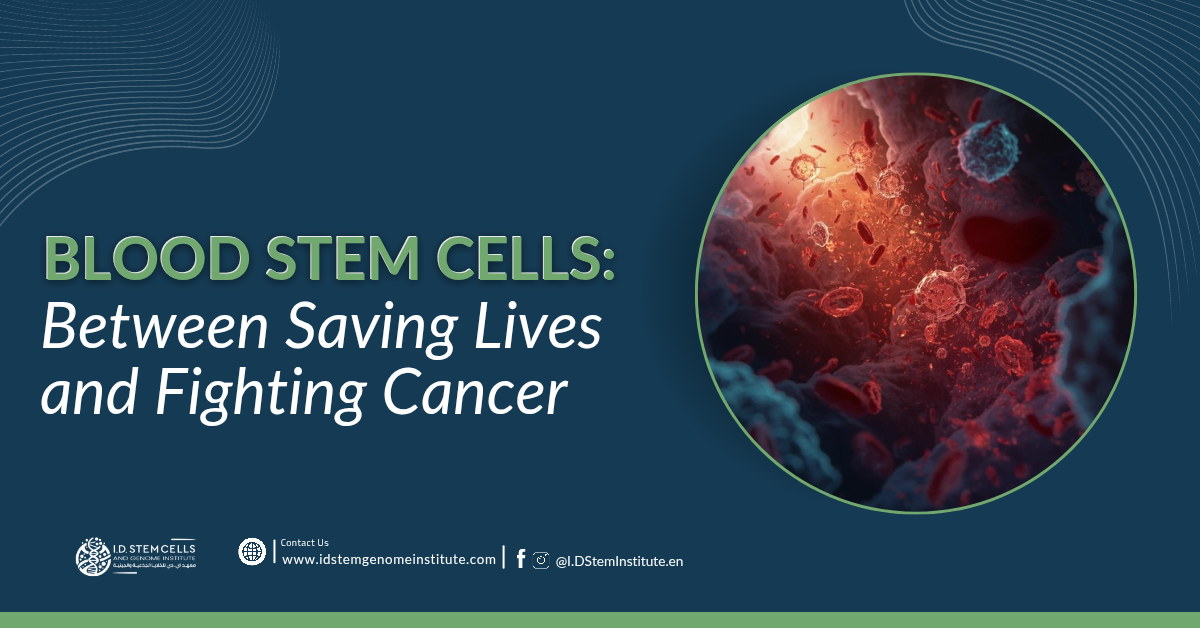
In the world of modern medicine, stem cells represent a "renewed hope" due to their unique ability to repair damaged tissue and replace diseased cells. Their discovery began in the late 19th century, when scientists noticed that some cells possessed a mysterious ability to regenerate and differentiate into different types. However, it took a century of research to unravel their secrets.
Of all adult stem cells, blood stem cells (HSCs) are the most well-known and clinically applicable. These cells specialize in replenishing blood daily, producing 200 billion new blood cells.
HSCs are found primarily in the bone marrow and are characterized by their ability to:
Develop into any type of blood cell (red blood cells, white blood cells, platelets).
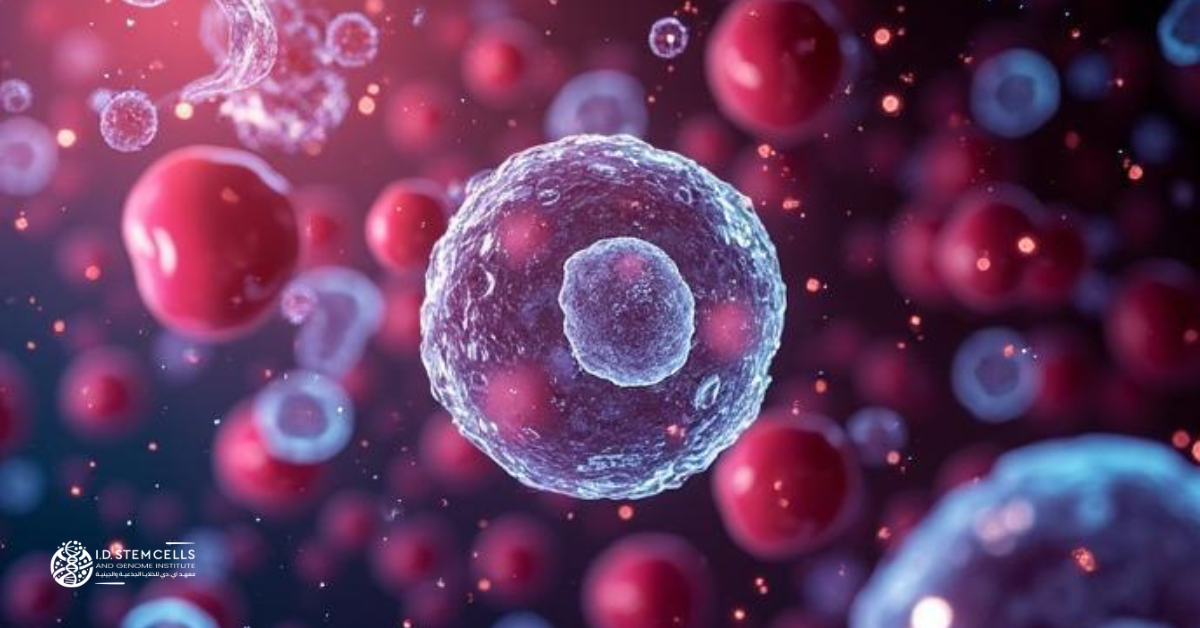

Migrate through the blood to sites of injury to support immunity.
Self-renew to maintain their supply for life.
Their Important Role in Treatment
When the bone marrow fails to produce healthy blood, as in cases of leukemia or sickle cell anemia, HSC transplantation is used as a radical solution. The process is performed through:
Collecting cells: from a donor (allogeneic transplant) or the patient himself (before chemotherapy).
Destroying the diseased bone marrow: with radiation or chemotherapy.
Injecting healthy cells: to start producing new blood.
Their Important Role in Treatment
When the bone marrow fails to produce healthy blood, as in cases of leukemia or sickle cell anemia, HSC transplantation is used as a radical solution. The process is performed through:
Collecting cells: from a donor (allogeneic transplant) or the patient himself (before chemotherapy).
Destroying the diseased bone marrow: with radiation or chemotherapy.
Injecting healthy cells: to start producing new blood.
This has led to significant results:
80% success rate in some types of childhood leukemia.
50% increase in survival rates for lymphoma patients over the past decade.
Recent research aims to use genetically modified HSCs to treat diseases such as thalassemia, where defective genes are corrected before transplantation. In 2023, China announced the first case of HIV cure using this technique.
This has led to significant results:
80% success rate in some types of childhood leukemia.
50% increase in survival rates for lymphoma patients over the past decade.
Recent research aims to use genetically modified HSCs to treat diseases such as thalassemia, where defective genes are corrected before transplantation. In 2023, China announced the first case of HIV cure using this technique.