The term "cancer stem cells" (CSCs) refers to cancer cells that exhibit characteristics similar to normal stem cells, namely, their ability to produce all specific cell types in the tumor microenvironment.
CSCs typically develop from other tumor cells or non-cancerous somatic cells, acquiring stem and malignant properties through specific genetic modifications. A small number of CSCs, identified in solid and liquid cancers, can give rise to a whole spectrum of tumors characterized by aggressive drug resistance, metastasis, and invasiveness.
A small number of CSCs, identified in solid and liquid cancers, can give rise to a whole spectrum of tumors characterized by aggressive drug resistance, metastasis, and invasiveness.

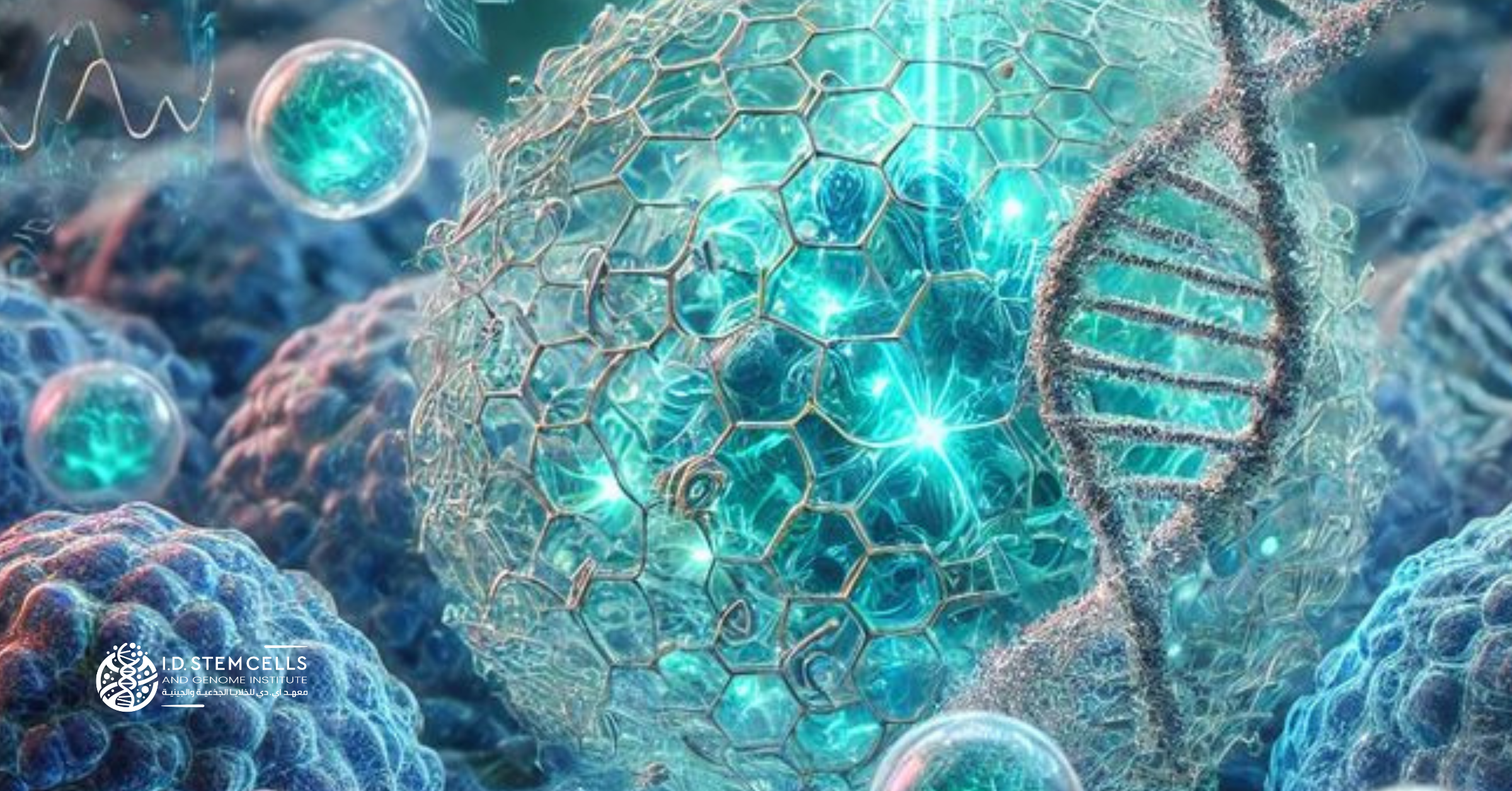
Furthermore, cancer stem cells alter their intrinsic and extrinsic properties, regulate the cell's metabolic pattern, modify the efficiency of its inflow and outflow, modulate various signaling pathways, inhibit apoptosis signals, and induce genetic and epigenetic changes to maintain their pluripotency and self-renewal capacity. It is worth noting that to maintain the ability of cancer stem cells to transform into malignant cells, mesenchymal stem cells, tumor-associated fibroblasts, immune cells, and others interact. Furthermore, cancer stem cells are characterized by the expression of specific molecular markers of significant diagnostic and prognostic significance.