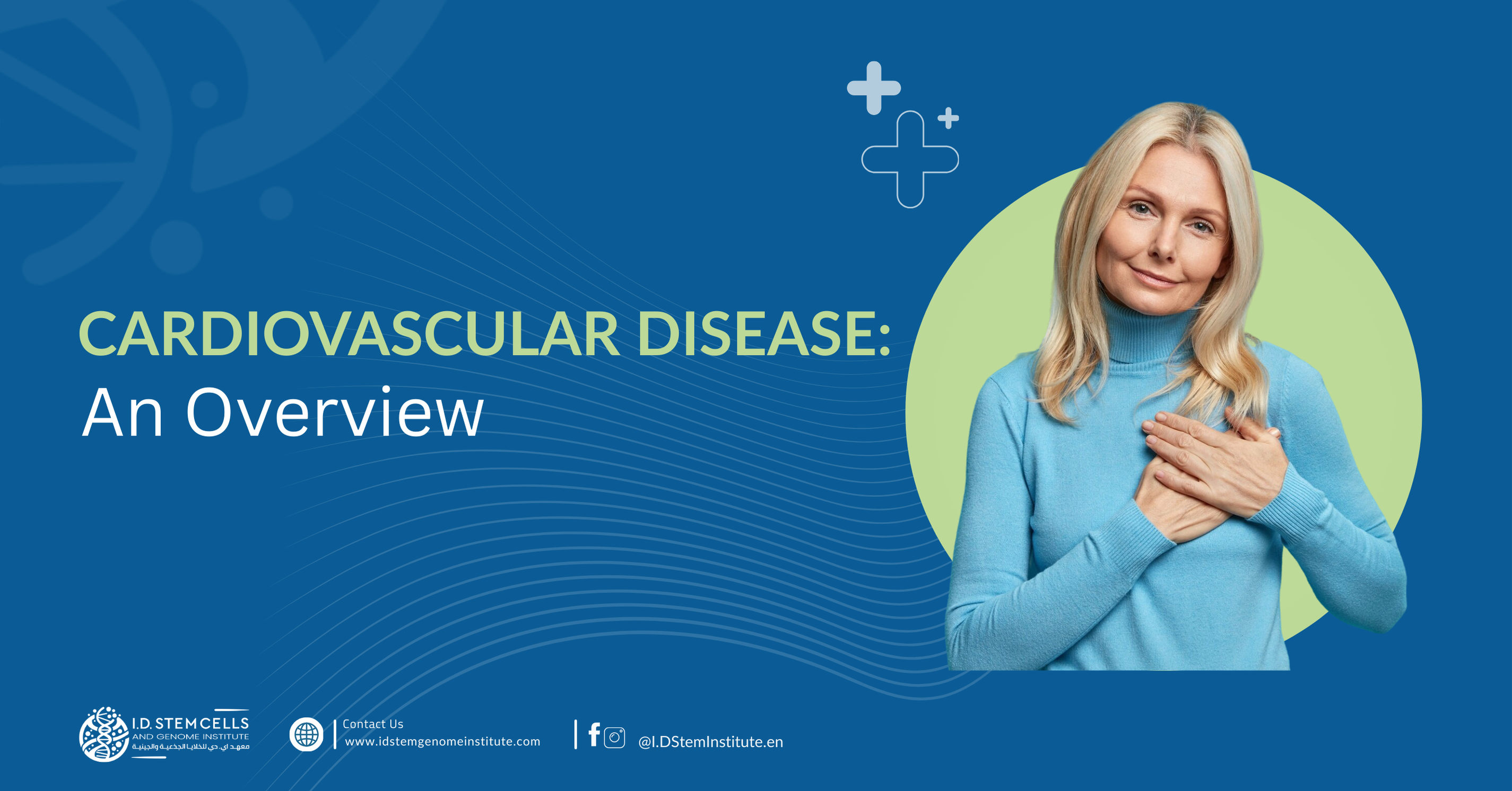
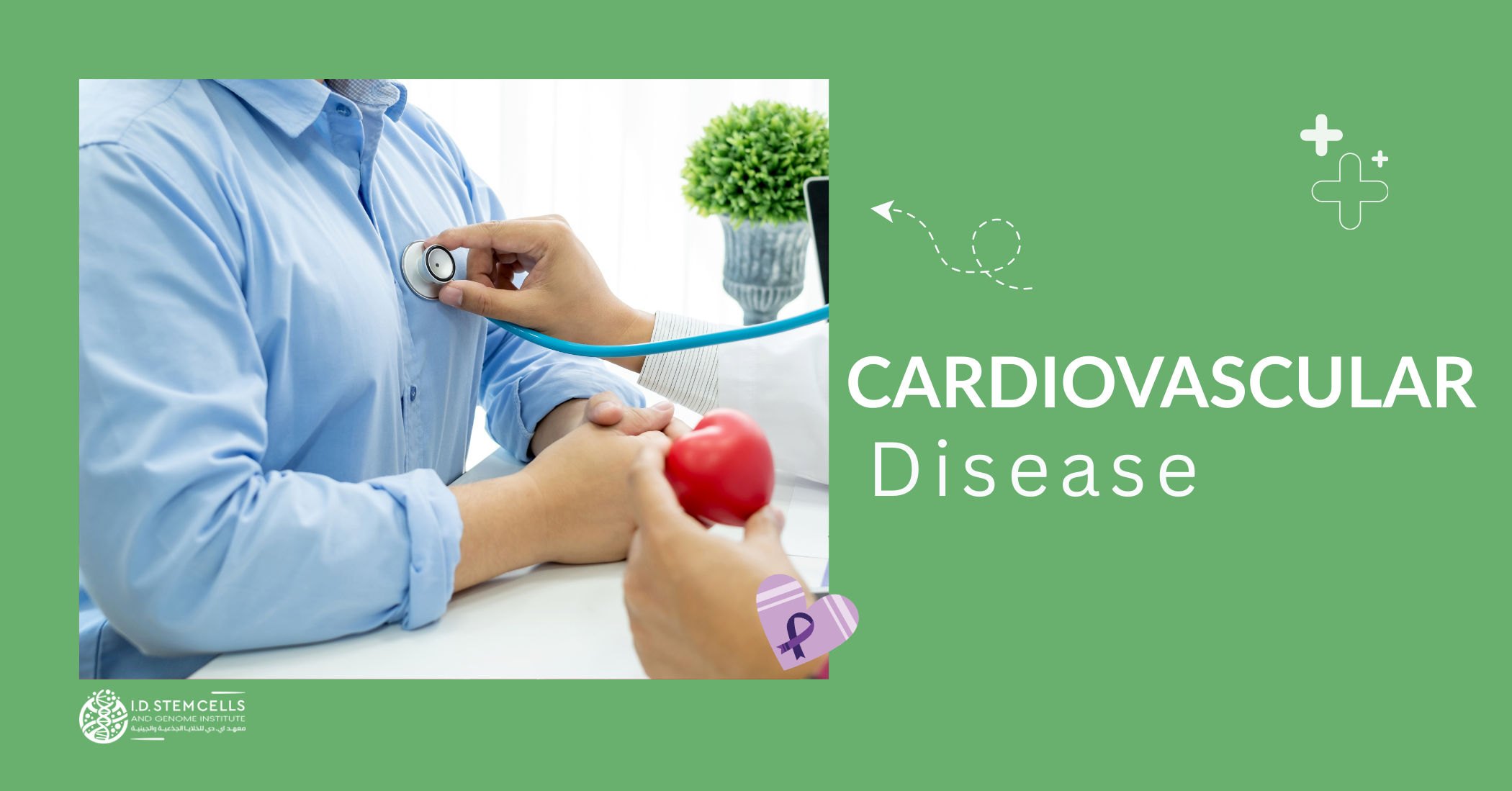
Cardiovascular disease is a group of disorders affecting the heart and blood vessels. These diseases include coronary heart disease, cerebrovascular disease, and peripheral arterial disease. Cardiovascular disease is the leading cause of death worldwide, and its incidence is expected to increase in the coming years.
Cardiovascular disease includes diseases affecting the heart, cerebrovascular system, and peripheral vessels, leading to ischemia. Cardiovascular disease encompasses a wide range of conditions, such as coronary artery disease, acute myocardial infarction, atrial fibrillation, chronic heart failure, arterial hypertension, and heart valve disease. Current treatments for cardiovascular disease primarily target the symptoms of the disease.
Risk Factors
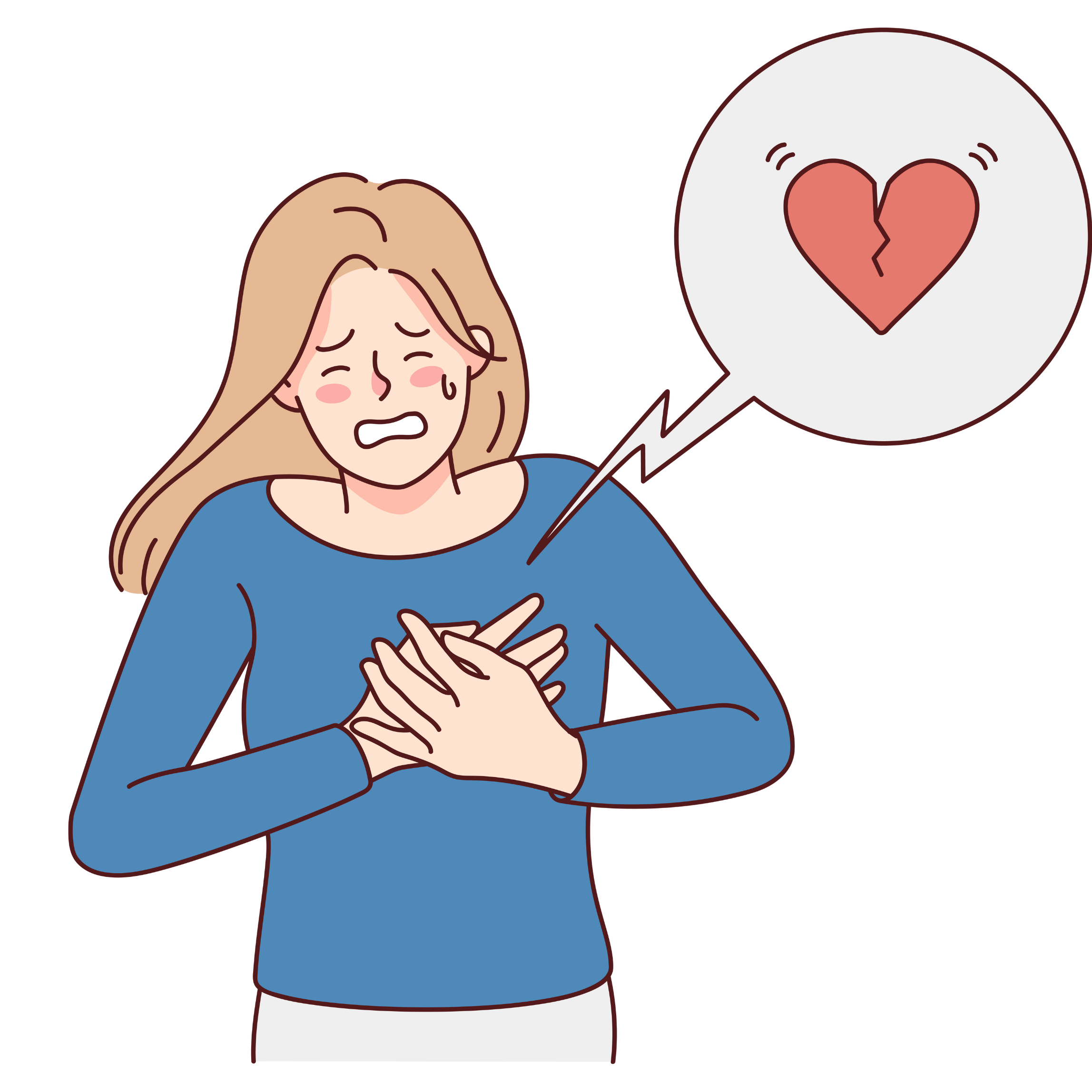
There are several risk factors that contribute to the development of cardiovascular disease. These can be divided into non-modifiable and modifiable factors. Non-modifiable risk factors include family history, age, gender, and ethnicity. Modifiable risk factors include high blood pressure, high cholesterol, smoking, physical inactivity, obesity, diabetes, and stress.
Risk Factors
There are several risk factors that contribute to the development of cardiovascular disease. These can be divided into non-modifiable and modifiable factors. Non-modifiable risk factors include family history, age, gender, and ethnicity. Modifiable risk factors include high blood pressure, high cholesterol, smoking, physical inactivity, obesity, diabetes, and stress.
Prevention
Preventing cardiovascular disease is crucial to reducing morbidity and mortality. Prevention strategies include lifestyle changes, such as a healthy diet, regular exercise, and smoking cessation. Additionally, medications can be used to control risk factors such as high blood pressure, high cholesterol, and high cholesterol.
Cardiovascular disease prevention can be divided into three levels: primary prevention, secondary prevention, and tertiary prevention. Primary prevention aims to prevent the development of risk factors in the first place. Primary prevention targets individuals who have not yet developed clinical cardiovascular disease but are at risk due to the presence of one or more risk factors. Secondary prevention aims to prevent recurrence and reduce the risk of complications and mortality in individuals who have already experienced a major cardiovascular event.
Prevention
Preventing cardiovascular disease is crucial to reducing morbidity and mortality. Prevention strategies include lifestyle changes, such as a healthy diet, regular exercise, and smoking cessation. Additionally, medications can be used to control risk factors such as high blood pressure, high cholesterol, and high cholesterol.
Cardiovascular disease prevention can be divided into three levels: primary prevention, secondary prevention, and tertiary prevention. Primary prevention aims to prevent the development of risk factors in the first place. Primary prevention targets individuals who have not yet developed clinical cardiovascular disease but are at risk due to the presence of one or more risk factors. Secondary prevention aims to prevent recurrence and reduce the risk of complications and mortality in individuals who have already experienced a major cardiovascular event.
Diagnosis
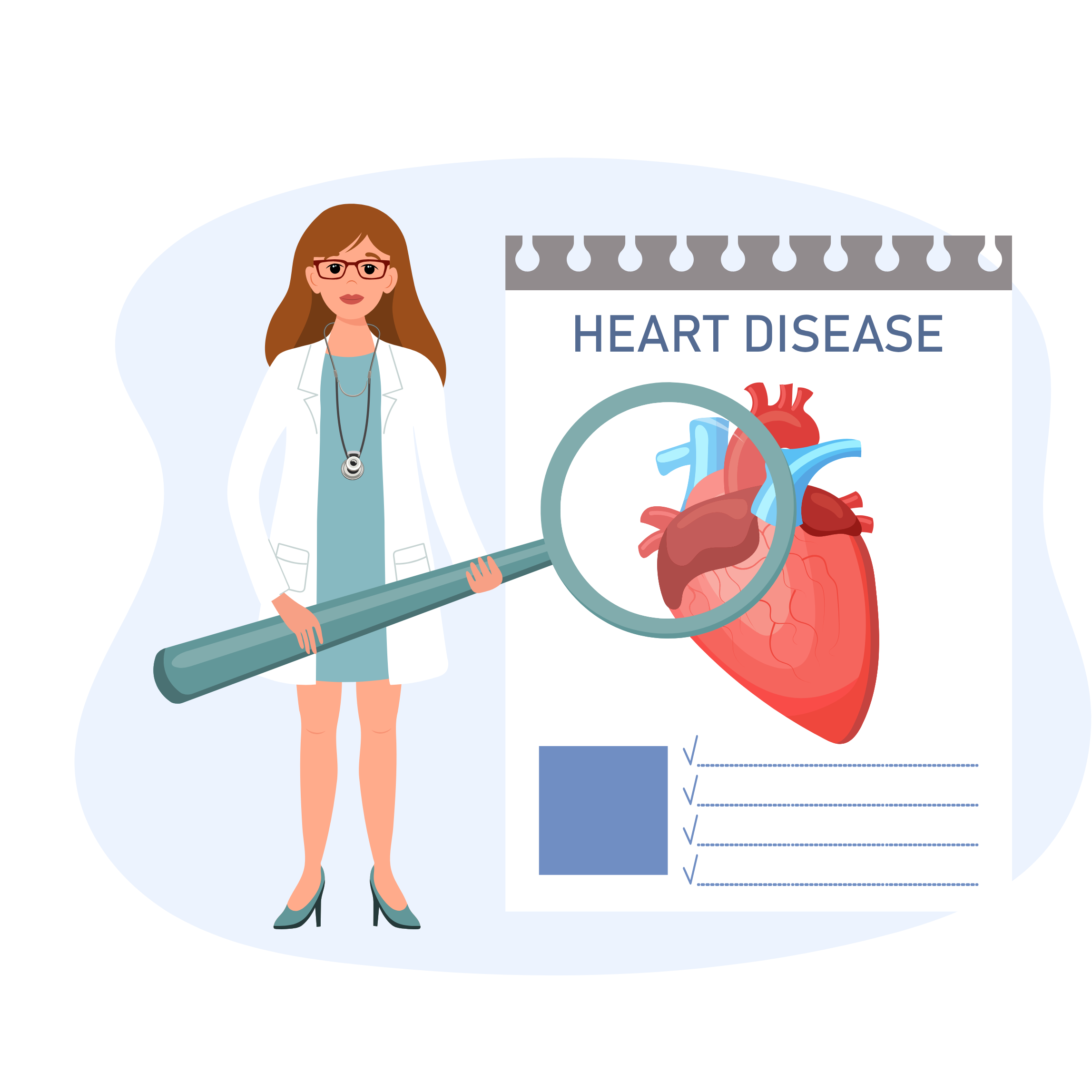
There are several diagnostic tests used to detect cardiovascular disease. These include electrocardiography (ECG), echocardiography, cardiac catheterization, computed tomography (CT), and magnetic resonance imaging (MRI). An ECG can help identify various conditions. ECG analysis converts signals into frequency subbands.
Diagnosis
There are several diagnostic tests used to detect cardiovascular disease. These include electrocardiography (ECG), echocardiography, cardiac catheterization, computed tomography (CT), and magnetic resonance imaging (MRI). An ECG can help identify various conditions. ECG analysis converts signals into frequency subbands.
Treatment
Treatment for cardiovascular disease depends on the type and severity of the disease. Treatment may include lifestyle changes, medications, and surgical procedures. Medications can be used to control risk factors such as high blood pressure and high cholesterol. Surgical procedures can be used to repair or replace damaged blood vessels or heart valves. Artificial Intelligence: Recent advances in artificial intelligence have revolutionized cardiovascular medicine, particularly through integration with computed tomography (CT), magnetic resonance imaging (MRI), electrocardiography (ECG), and ultrasound. Deep learning architectures, including convolutional neural networks and generative adversarial networks, enable the automated analysis of medical imaging and physiological signals, surpassing human capabilities in diagnostic accuracy and workflow efficiency.
Cardiovascular diseases are a complex group of disorders that require prevention, early detection, and appropriate treatment. By addressing risk factors and adopting healthy lifestyles, it is possible to reduce the risk of cardiovascular disease and improve health outcomes.
Treatment
Treatment for cardiovascular disease depends on the type and severity of the disease. Treatment may include lifestyle changes, medications, and surgical procedures. Medications can be used to control risk factors such as high blood pressure and high cholesterol. Surgical procedures can be used to repair or replace damaged blood vessels or heart valves. Artificial Intelligence: Recent advances in artificial intelligence have revolutionized cardiovascular medicine, particularly through integration with computed tomography (CT), magnetic resonance imaging (MRI), electrocardiography (ECG), and ultrasound. Deep learning architectures, including convolutional neural networks and generative adversarial networks, enable the automated analysis of medical imaging and physiological signals, surpassing human capabilities in diagnostic accuracy and workflow efficiency.
Cardiovascular diseases are a complex group of disorders that require prevention, early detection, and appropriate treatment. By addressing risk factors and adopting healthy lifestyles, it is possible to reduce the risk of cardiovascular disease and improve health outcomes.