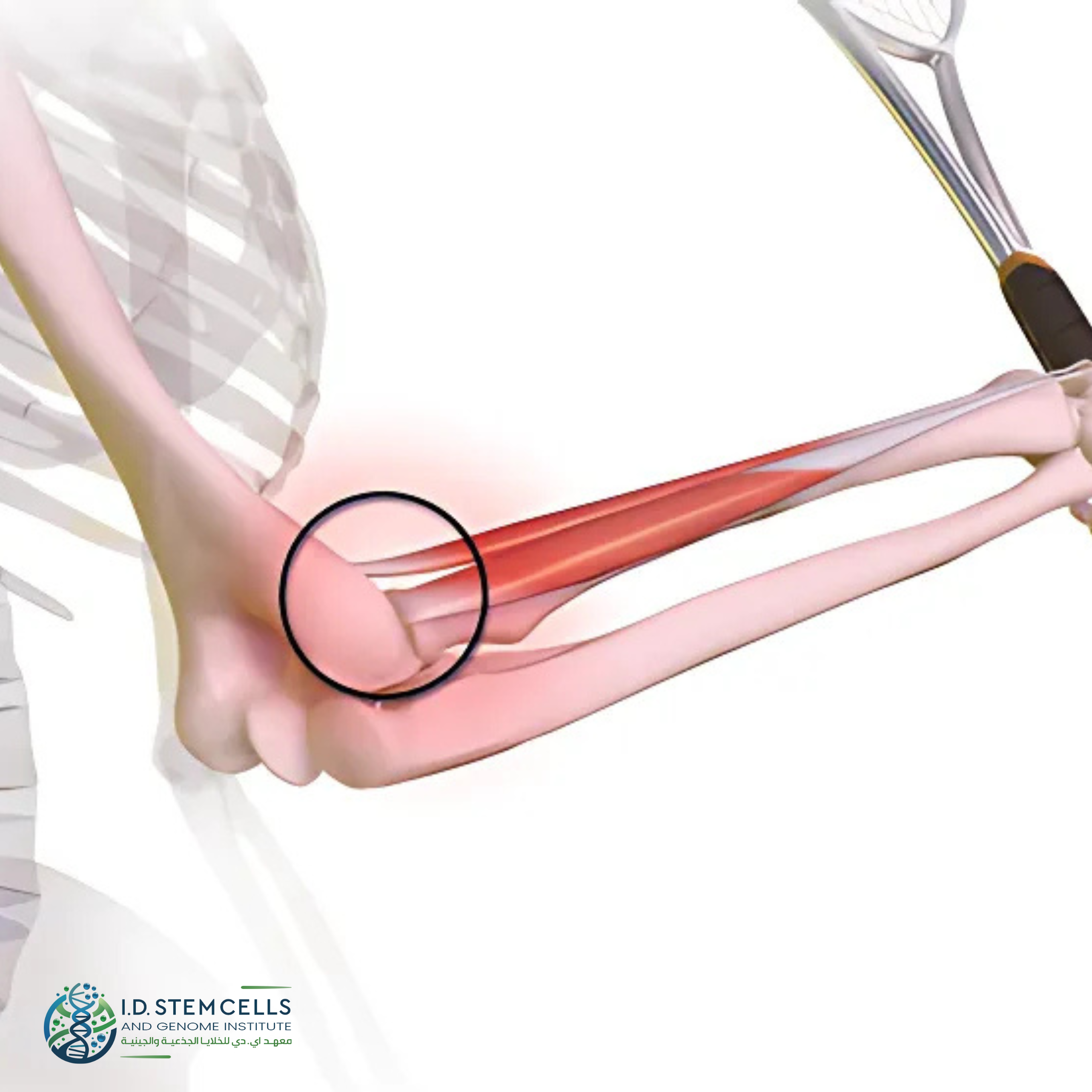
Upper extremity injuries are a major disability for athletes, and tendinopathies of the shoulder and elbow are among the most common. Rotator cuff diseases are the most common shoulder conditions for which patients seek medical care. Elbow tendonitis is a common cause of elbow pain. Despite the prevalence of these conditions, the success of currently available treatment options varies. The recurrence rate after rotator cuff repair ranges from 20% to 94%, and recurrence rates reach 25% in cases of untreated elbow tendonitis.
One of the reasons these injuries are difficult to treat is the complex organization of the tendon insertion site, the fusion zone. The fusion zone consists of four regions: the tendon, the unmineralized fibrocartilage, the mineralized fibrocartilage, and the bone. During surgery, fibrovascular scar tissue forms between the tendon and bone, leading to structural weakness and subsequent failure of repair. This inability to restore the normal biological structure of the tendon means that despite technological advances in surgical treatment, failure rates remain high. However, cell-based therapies have shown promising results in their ability to restore the normal biological structure of damaged tendons.
Cell-based therapies include numerous therapeutic approaches using cells at various stages of differentiation. Given their potential applications in musculoskeletal medicine, it is not surprising that their popularity continues to grow. At the heart of these developments are mesenchymal stem cells (MSCs) and tenocytes. Mesenchymal stem cells are multipotent cells capable of differentiating into any mesodermal cell type in vitro; these include chondrocytes, osteocytes, and adipocytes. However, this has not yet been demonstrated in vivo. However, this has not yet been demonstrated in vivo, and tendon cells have limited potential as progenitor cells. These unique capabilities make cell preparations a valuable tool in the treatment of musculoskeletal sports injuries and may facilitate return to exercise. In vivo, the therapeutic effects of mesenchymal stem cells are likely due to their trophic, paracrine, and immunomodulatory functions, as opposed to proliferation and differentiation. As with mesenchymal stem cells, tendon cells stimulate growth factors and other immunomodulatory cells to enhance the healing response.