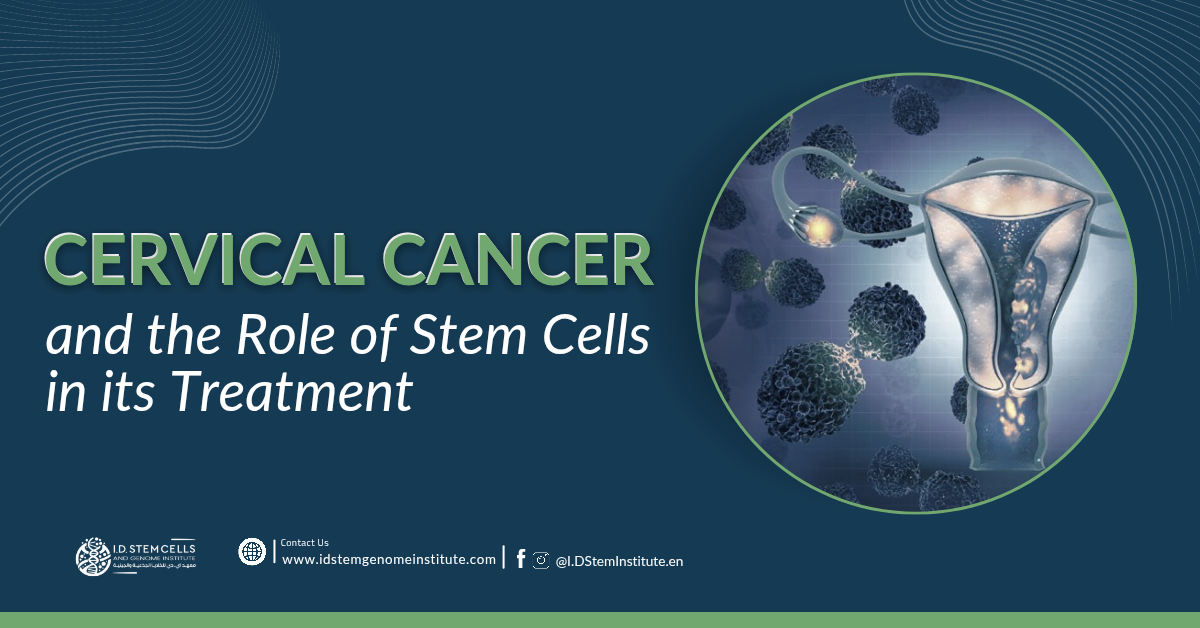
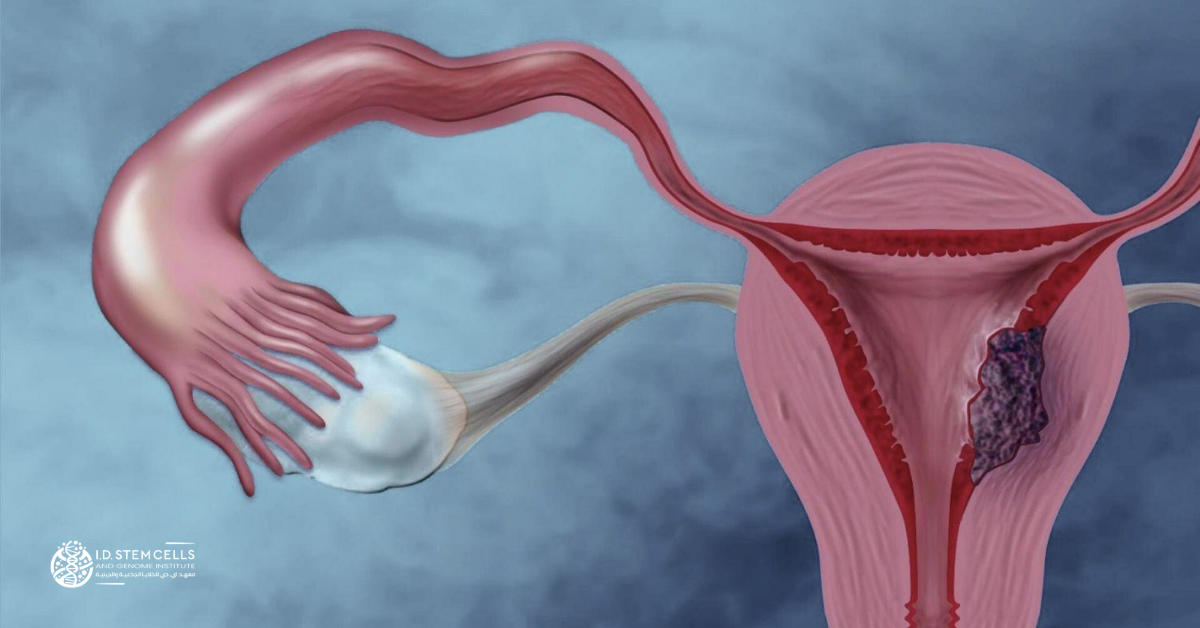
Cervical cancer is one of the most common cancers among women worldwide and a leading cause of cancer-related deaths in resource-limited countries. The primary factor in the development of this disease is persistent infection with the human papillomavirus (HPV), particularly high-risk types such as HPV-16 and HPV-18. This infection leads to genetic and immunological changes that result in tumor formation. However, treatment techniques are rapidly evolving, especially in the field of employing stem cells as an innovative therapeutic approach.
The Role of Stem Cells in Treating Cervical Cancer
Stem cells are considered promising tools in cancer treatment for several reasons, including their ability to adapt to the tumor microenvironment and their potential for genetic modification to directly target cancer cells.
The Role of Stem Cells in Treating Cervical Cancer
Stem cells are considered promising tools in cancer treatment for several reasons, including their ability to adapt to the tumor microenvironment and their potential for genetic modification to directly target cancer cells. The role of stem cells in treating cervical cancer can be illustrated through the following points:
1. Targeted Drug Delivery Using Stem Cells
Mesenchymal stem cells (MSCs) exhibit an exceptional ability to migrate to tumor-affected areas, making them ideal carriers for anticancer drugs. Modern technologies allow for the modification of these cells to deliver anticancer chemicals directly to the tumor while minimizing side effects on healthy tissue. For example:
- Genetically modified viruses used with stem cells to precisely target tumors.
- Delivery of antitumor agents such as saturated proteins or microRNAs to disrupt cancer growth and development.
2. Stimulating the Immune Response
Stem cells can be used to develop therapeutic strategies that enhance the body's immunity against cervical cancer. Evidence suggests that modifying stem cells to produce immunochemicals such as interleukins, or even to deliver tumor-specific antigens, can stimulate a stronger immune response against the cancer.
3. Immunological Screening Against Cancer Stem Cells
Cervical cancer stem cells (CSCs) are considered the primary driver of tumor progression and recurrence due to their resistance to conventional treatments such as chemotherapy and radiotherapy. In this context:
- Modified stem cells can target specific signals associated with the growth and survival of cancer stem cells, such as the Wnt/β-catenin and Notch signaling pathways.
- Developing inhibitors that target key cell-specific features, such as CD133 or ALDH proteins, which are key parameters of cancer stem cells (Ling, 2009; He et al., 2024).
4. Treating fibrosis resulting from radiotherapy
Following radiotherapy, fibrosis may occur in the pelvic tissues, leading to functional problems and chronic pain. Mesenchymal stem cells can be used in this context to rebuild damaged tissue, stimulate healing processes, and reduce scarring.
The role of stem cells in treating cervical cancer can be illustrated through the following points:
1. Targeted Drug Delivery Using Stem Cells
Mesenchymal stem cells (MSCs) exhibit an exceptional ability to migrate to tumor-affected areas, making them ideal carriers for anticancer drugs. Modern technologies allow for the modification of these cells to deliver anticancer chemicals directly to the tumor while minimizing side effects on healthy tissue. For example:
- Genetically modified viruses used with stem cells to precisely target tumors.
- Delivery of antitumor agents such as saturated proteins or microRNAs to disrupt cancer growth and development.
2. Stimulating the Immune Response
Stem cells can be used to develop therapeutic strategies that enhance the body's immunity against cervical cancer. Evidence suggests that modifying stem cells to produce immunochemicals such as interleukins, or even to deliver tumor-specific antigens, can stimulate a stronger immune response against the cancer.
3. Immunological Screening Against Cancer Stem Cells
Cervical cancer stem cells (CSCs) are considered the primary driver of tumor progression and recurrence due to their resistance to conventional treatments such as chemotherapy and radiotherapy. In this context:
- Modified stem cells can target specific signals associated with the growth and survival of cancer stem cells, such as the Wnt/β-catenin and Notch signaling pathways.
- Developing inhibitors that target key cell-specific features, such as CD133 or ALDH proteins, which are key parameters of cancer stem cells (Ling, 2009; He et al., 2024).
4. Treating fibrosis resulting from radiotherapy
Following radiotherapy, fibrosis may occur in the pelvic tissues, leading to functional problems and chronic pain. Mesenchymal stem cells can be used in this context to rebuild damaged tissue, stimulate healing processes, and reduce scarring.
Challenges of Using Stem Cells in Cervical Cancer Treatment
Despite these benefits, using stem cells to treat cervical cancer faces a number of challenges, including:
1. Risk of cancerous transformation: Stem cells themselves may transform into cancerous cells under less-than-ideal conditions.
2. Controlling cell orientation: Ensuring that stem cells reach only the tumor site without causing collateral damage.
3. Immune safety issues: Genetically modifying these cells may lead to excessive or undesirable immune responses.
4. Cost and technical complexity: The process of producing and treating cells with them remains expensive and complex, limiting their widespread application.
Challenges of Using Stem Cells in Cervical Cancer Treatment
Despite these benefits, using stem cells to treat cervical cancer faces a number of challenges, including:
1. Risk of cancerous transformation: Stem cells themselves may transform into cancerous cells under less-than-ideal conditions.
2. Controlling cell orientation: Ensuring that stem cells reach only the tumor site without causing collateral damage.
3. Immune safety issues: Genetically modifying these cells may lead to excessive or undesirable immune responses.
4. Cost and technical complexity: The process of producing and treating cells with them remains expensive and complex, limiting their widespread application.
Future directions
1. Combination therapy using artificial intelligence: Employing artificial intelligence to determine the best gene-editing strategies for stem cells based on each patient's genomic information.
2. Using 3D models for drug development: Cervical organoids as research tools to measure the impact of stem cell-based therapies.
3. Combination with immunotherapies: Enhancing the use of stem cells with immune checkpoint inhibitors such as PD-1/PD-L1.
Overall, the use of stem cells in the treatment of cervical cancer represents a promising avenue that requires further research and development to be applied safely and effectively as an additional or complementary solution to traditional treatments. At the I.D. Stem Cells and Genome Institute, we keep abreast of the latest scientific developments in the field of stem cell and gene therapy and regenerative medicine. If you are interested in learning more about the potential benefits of these treatments and the latest research findings, please feel free to contact us.
Future directions
1. Combination therapy using artificial intelligence: Employing artificial intelligence to determine the best gene-editing strategies for stem cells based on each patient's genomic information.
2. Using 3D models for drug development: Cervical organoids as research tools to measure the impact of stem cell-based therapies.
3. Combination with immunotherapies: Enhancing the use of stem cells with immune checkpoint inhibitors such as PD-1/PD-L1.
Overall, the use of stem cells in the treatment of cervical cancer represents a promising avenue that requires further research and development to be applied safely and effectively as an additional or complementary solution to traditional treatments.
At the I.D. Stem Cells and Genome Institute, we keep abreast of the latest scientific developments in the field of stem cell and gene therapy and regenerative medicine. If you are interested in learning more about the potential benefits of these treatments and the latest research findings, please feel free to contact us.