Medical Articles

Characterization and Validation of Exosomes

characterization-and-validation-exosomes

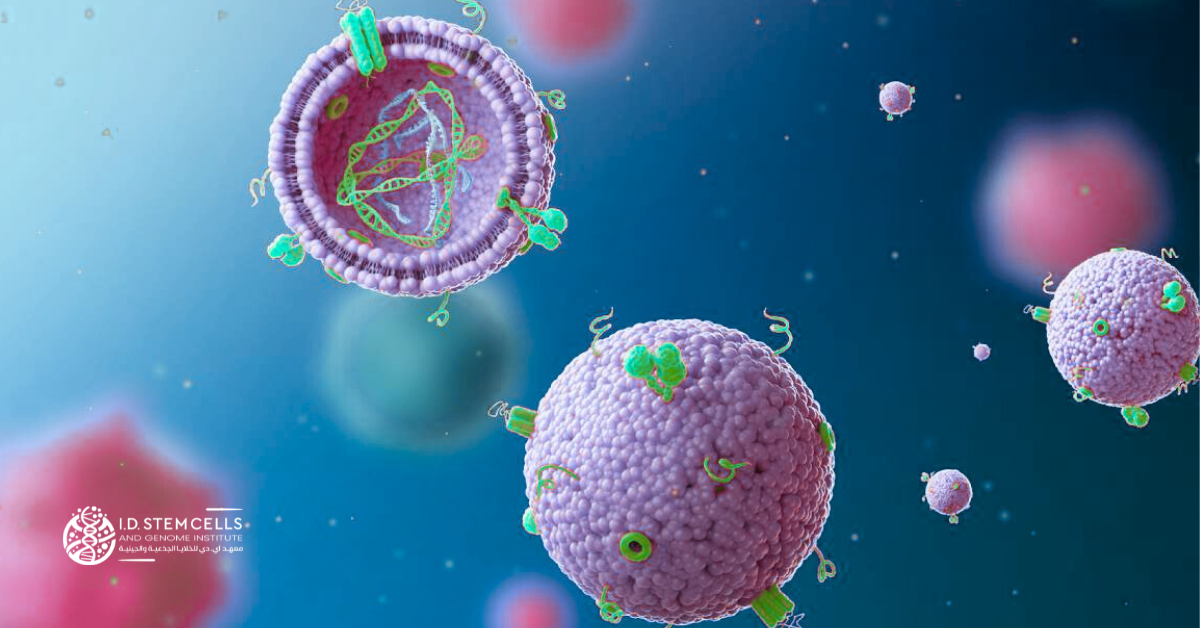
Exosomes require characterization and validation prior to therapeutic applications.

Current methods for exosome characterization primarily focus on the size, morphology, and cargo profile of exosomes. Size-oriented validation includes nanoparticle tracking analysis (NTA), dynamic light scattering (DLS), and tunable resistive pulse sensing (TRPS), while morphology-oriented analysis involves scanning electron microscopy (SEM) and transmission electron microscopy (TEM).
Image

In addition, cargo classification is further divided into proteomic, lipidomic, and genomic analyses, including Western blotting, ELISA, flow cytometry, mass spectrometry, and PCR. 36 Since each of the above characterization methods has its advantages and disadvantages, it is a global practice to combine analyses from three different aspects, for example, a combination of TEM, NTA, and Western blotting, to identify isolated exosomes.

Image

For example, microscopy-based methods, such as SEM and TEM, can directly visualize surface topography and internal structure, respectively. However, TEM is not suitable for rapid measurement of large numbers of samples due to complex operations and tedious sample preparation.

Image

NTA facilitates rapid detection and real-time monitoring of exosomes with higher resolution than flow cytometry. The main drawback of NTA is the difficulty in distinguishing exosomes from contaminating proteins. As a mature technique, Western blotting can qualitatively and quantitatively detect the expression of exosomal protein biomarkers, particularly in exosomes from cell culture media.

However, it is time-consuming and unsuitable for detecting exosomes from biological fluids.

For immediate consultation with experts from the I.D. Institute for Stem Cell and Gene Research

For immediate consultation with experts from the I.D. Institute for Stem Cell and Gene Research

Image

you may also like

Image

you may also like

Image
Image
Image
Image

I.D. Journal of Stem Cell Research and Advanced Therapeutics

A medical journal published by the I.D. Institute for Stem Cell and Genome Research

Image
Image
Image
Image
Image
Image
Image
Image
I.D. Journal of Stem Cell Research and Advanced Therapeutics

A medical journal published by the I.D. Institute for Stem Cell and Genome Research

Image
Image
Image
Image
Image

I.D. Educational Community

Join the I.D. Community, an interactive environment bringing together experts, alumni, and students. This community aims to:

  • Exchange Clinical Expertise: Discuss challenging medical cases to enhance treatment outcomes.

  • Discuss Cutting-edge Research: Explore contemporary debates such as Digital Twins, Gerontology, and AI in medicine.

  • Build Professional Networks: Connect with leaders in regenerative medicine and global health organizations.

Image
Image
Image

I.D. Educational Community

Join the I.D. Community, an interactive environment bringing together experts, alumni, and students. This community aims to:

  • Exchange Clinical Expertise: Discuss challenging medical cases to enhance treatment outcomes.

  • Discuss Cutting-edge Research: Explore contemporary debates such as Digital Twins, Gerontology, and AI in medicine.

  • Build Professional Networks: Connect with leaders in regenerative medicine and global health organizations.

Image
Image
Image
Image

© 2025 I.D. Holding, By prof. Dr. Islam Dababseh

© 2025 I.D. Holding, By prof. Dr. Islam Dababseh

Image

© 2025 I.D. Holding, By prof. Dr. Islam Dababseh

© 2025 I.D. Holding, By prof. Dr. Islam Dababseh

Image