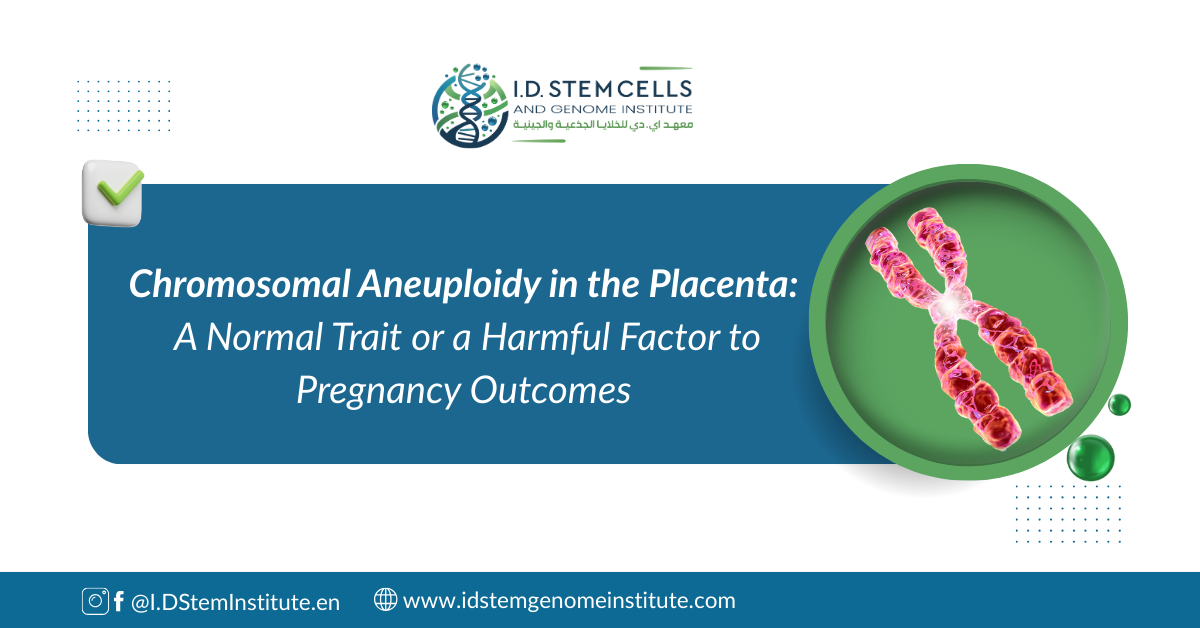
Aneuploidy in the placenta is a pathological factor associated with adverse pregnancy outcomes and impaired placental function. According to studies, chromosomal abnormalities confined to placental tissue occur in approximately 1-2% of pregnancies, but they do not always affect fetal development. The placenta is a vital organ for fetal development and is composed primarily of trophoblasts derived from the outer layer of the embryo (trophectoderm).
Cytotrophoblasts constitute the stem cell group responsible for the embryo's implantation into the endometrium and the initiation of placental formation.
These cells differentiate into two main types
Syncytiotrophoblasts: These form the outer layer of the chorionic villi and support the exchange of nutrients and gases between the mother and fetus.
Extravillous trophoblasts: They invade the uterine wall to anchor the placenta and establish maternal-fetal circulation.
Previous studies have shown highrates of chromosomal abnormalities in placental cells from pregnancies aborted for non-medical reasons, which may enhance their ability to invade. However, the hypothesis that chromosomal abnormalities are a common feature of placental development remains unsupported by sufficient studies, especially since most current evidence focuses on abnormal pregnancies (such as intrauterine growth restriction or preeclampsia). This lack of research is due to the limited research on normal placentas and the lack of accurate single-cell analyses.
These cells differentiate into two main types
Syncytiotrophoblasts: These form the outer layer of the chorionic villi and support the exchange of nutrients and gases between the mother and fetus.
Extravillous trophoblasts: They invade the uterine wall to anchor the placenta and establish maternal-fetal circulation.
Previous studies have shown highrates of chromosomal abnormalities in placental cells from pregnancies aborted for non-medical reasons, which may enhance their ability to invade. However, the hypothesis that chromosomal abnormalities are a common feature of placental development remains unsupported by sufficient studies, especially since most current evidence focuses on abnormal pregnancies (such as intrauterine growth restriction or preeclampsia). This lack of research is due to the limited research on normal placentas and the lack of accurate single-cell analyses.
Recent Advances in Placental Stem Cell Models
Recent developments have enabled the extraction of trophoblast stem cells (TSCs) from primary placental tissue or human pluripotent stem cells (hPSCs), allowing the study of early placental development in the laboratory. When these cells are cultured under specific conditions, they exhibit the ability to differentiate into trophoblast subtypes and form placental organoids.
Recent Advances in Placental Stem Cell Models
Recent developments have enabled the extraction of trophoblast stem cells (TSCs) from primary placental tissue or human pluripotent stem cells (hPSCs), allowing the study of early placental development in the laboratory. When these cells are cultured under specific conditions, they exhibit the ability to differentiate into trophoblast subtypes and form placental organoids.
Chromosomal Aberrations as an Intrinsic Feature of the Placenta
In an effort to understand the cytological character of chromosomal aberrations in the placenta, isogenic trophoblast stem cell (TSC) lines were established from human stem cells (both active and primitive states) and from artificial embryo models (blastoids).
Chromosomal Aberrations as an Intrinsic Feature of the Placenta
In an effort to understand the cytological character of chromosomal aberrations in the placenta, isogenic trophoblast stem cell (TSC) lines were established from human stem cells (both active and primitive states) and from artificial embryo models (blastoids).
Chromosomal Aberrations as an Intrinsic Feature of the Placenta
In an effort to understand the cytological character of chromosomal aberrations in the placenta, isogenic trophoblast stem cell (TSC) lines were established from human stem cells (both active and primitive states) and from artificial embryo models (blastoids).
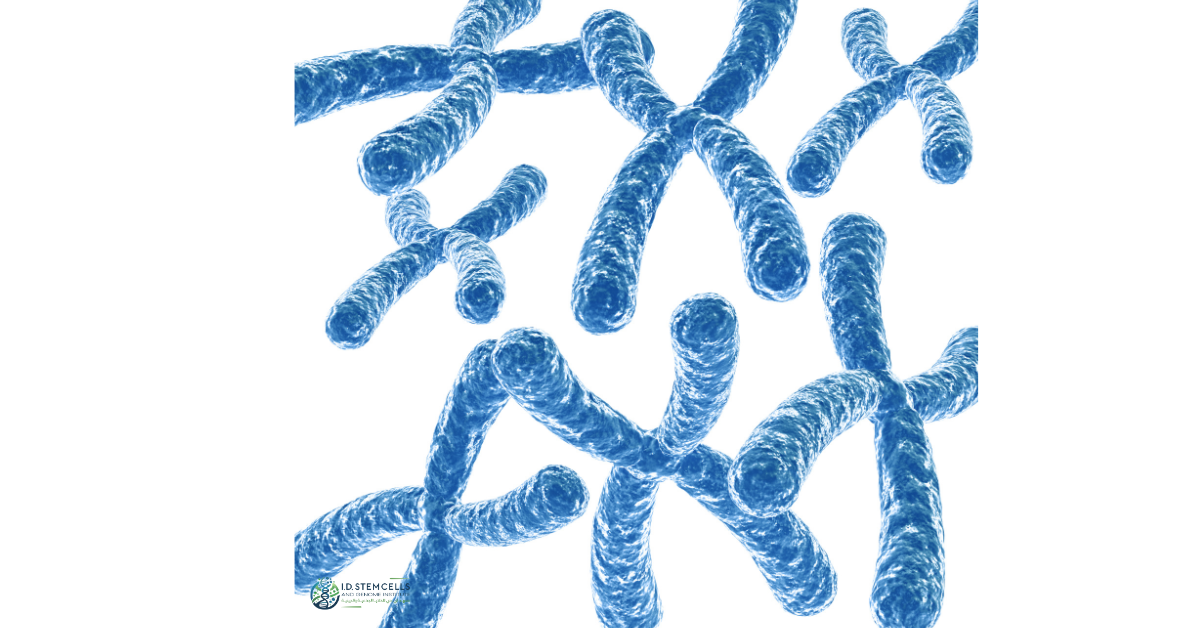
A high frequency of spontaneous aberrations was observed in all lines, regardless of the extraction method, suggesting that chromosomal instability (CIN) is an intrinsic feature of the trophoblast lineage. Molecular analyses have revealed potential biological pathways responsible for this phenomenon. Placental tissue from early and late gestational periods also showed an accumulation of chromosomal abnormalities.