Medical Articles

Common Neuropathic Pain Syndrome: A General Introduction

Common Neuropathic Pain Syndrome: A General Introduction

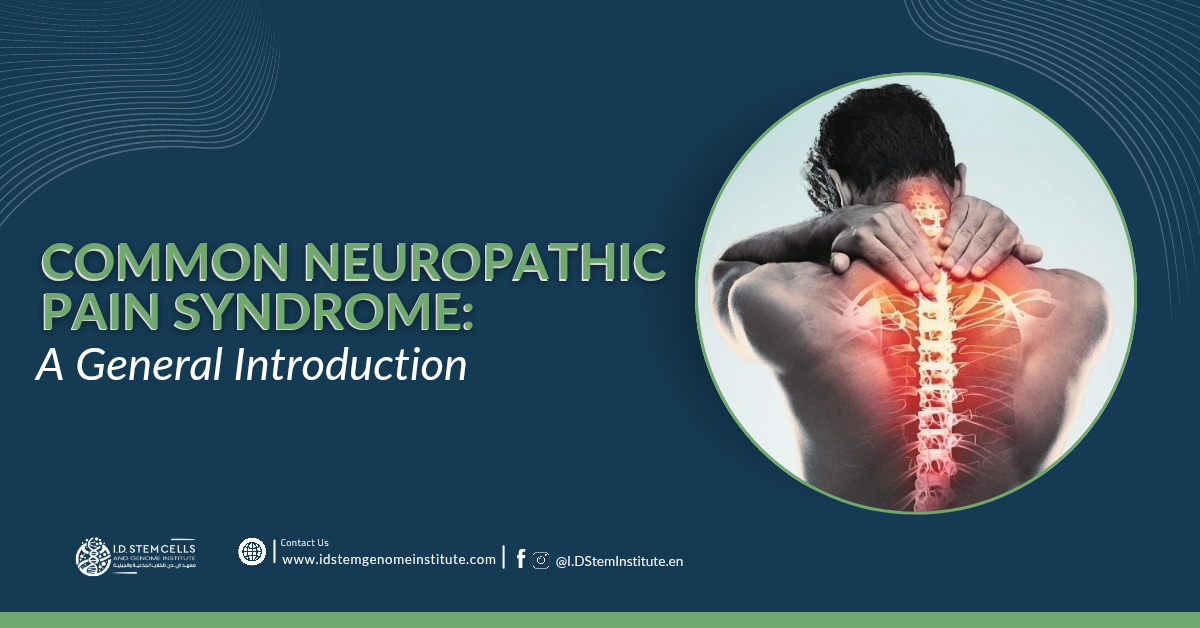
Common neuropathic pain syndromes (NeUP) include painful neuropathy (e.g., due to diabetes), postherpetic neuralgia, peripheral nerve injury, radiculopathy, cancer-related neuropathic pain, central post-stroke pain, and neuropathy resulting from trauma or entrapment.

Pharmacological treatment fails to provide adequate pain relief in many patients. Consequently, there is an unmet need for newer approaches, particularly interventional techniques such as neuromodulation. Traditionally, treatment is pharmacotherapy, with the primary focus being symptomatic treatment. A recent meta-analysis and the Special Interest

Image

Group on Neuropathic Pain (SIGNP) have proposed gabapentinoids, tricyclic antidepressants (TCAs), and selective serotonin and norepinephrine reuptake inhibitors (SNRIs) as first-line medications for neuropathic pain. Lidocaine, capsaicin, and tramadol have been proposed as second-line treatments, while strong opioids (morphine and oxycodone) and botulinum toxin A (BTX-A) have been listed as third-line treatments for peripheral neuropathic pain.

However, they are not included in many NeuP treatment guidelines. Interventional pain management (IPM) modalities such as pulsed radiofrequency (RF), cryotherapy, peripheral nerve stimulation (PNS), and spinal cord stimulation (SCS) hold much promise, as reported in recent literature.

For immediate consultation with experts from the I.D. Institute for Stem Cell and Gene Research

For immediate consultation with experts from the I.D. Institute for Stem Cell and Gene Research

Image

you may also like

Image

you may also like

Image
Image
Image
Image

I.D. Journal of Stem Cell Research and Advanced Therapeutics

A medical journal published by the I.D. Institute for Stem Cell and Genome Research

Image
Image
Image
Image
Image
Image
Image
Image
I.D. Journal of Stem Cell Research and Advanced Therapeutics

A medical journal published by the I.D. Institute for Stem Cell and Genome Research

Image
Image
Image
Image
Image

I.D. Educational Community

Join the I.D. Community, an interactive environment bringing together experts, alumni, and students. This community aims to:

  • Exchange Clinical Expertise: Discuss challenging medical cases to enhance treatment outcomes.

  • Discuss Cutting-edge Research: Explore contemporary debates such as Digital Twins, Gerontology, and AI in medicine.

  • Build Professional Networks: Connect with leaders in regenerative medicine and global health organizations.

Image
Image
Image

I.D. Educational Community

Join the I.D. Community, an interactive environment bringing together experts, alumni, and students. This community aims to:

  • Exchange Clinical Expertise: Discuss challenging medical cases to enhance treatment outcomes.

  • Discuss Cutting-edge Research: Explore contemporary debates such as Digital Twins, Gerontology, and AI in medicine.

  • Build Professional Networks: Connect with leaders in regenerative medicine and global health organizations.

Image
Image
Image
Image

© 2025 I.D. Holding, By prof. Dr. Islam Dababseh

© 2025 I.D. Holding, By prof. Dr. Islam Dababseh

Image

© 2025 I.D. Holding, By prof. Dr. Islam Dababseh

© 2025 I.D. Holding, By prof. Dr. Islam Dababseh

Image