The COVID-19 pandemic is an ongoing problem affecting the lives of most people around the world. Due to the pandemic in 2020, most countries were on lockdown, strict travel regulations were imposed, international relations were affected, and people were living in an unprecedented situation that changed normal life.
Therefore, it is crucial to understand the pathophysiology of the disease and how the immune response to pathogens affects the disease. Although the immune system plays an important role in combating COVID-19, paradoxically, it can also be harmful. Most critically ill patients in the intensive care unit (ICU) who develop acute respiratory distress syndrome (ARDS) have high levels of circulating inflammatory cytokines, known as CRS.
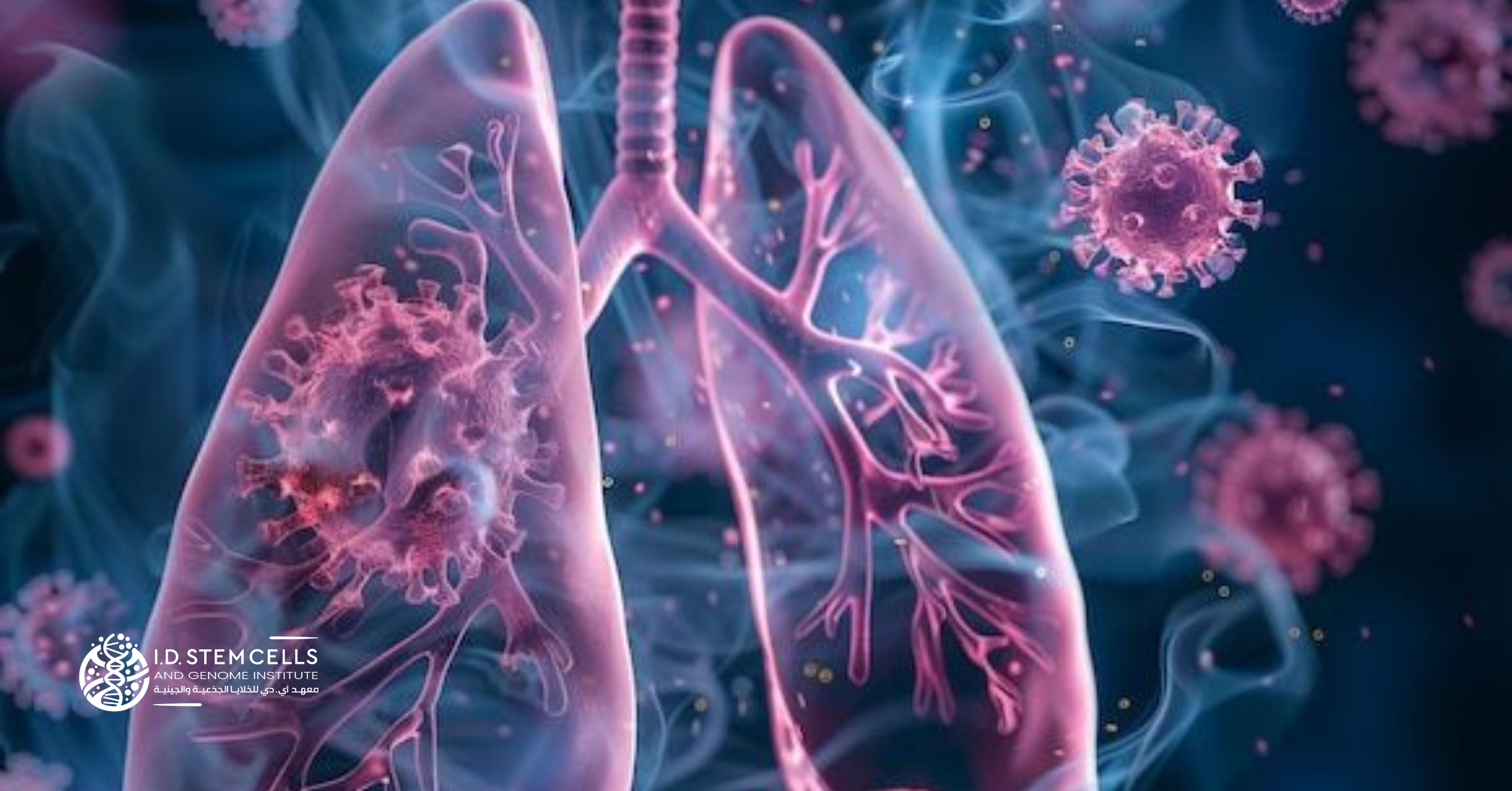
Considering all the reported data from observations and measurements, it appears that when the immune system is severely damaged and rendered ineffective due to lymphopenia and toxicity, it attempts to compensate by triggering CRS, which can lead to complications such as acute respiratory distress syndrome (ARDS) and multi-organ failure. It is essential to find effective medicines and vaccines to return to normal and reduce the mortality rate.