As with all infectious diseases, the immune system plays a key role in suppressing the virus. Therefore, it can be assumed that suppressing the immune system would make the situation worse, but this is not as simple as it seems.
There is not yet sufficient scientific evidence for the general use of immunosuppressive drugs in autoimmune diseases such as rheumatoid arthritis (RA).
On the other hand, the hyperinflammatory and cytokine release syndrome (CRS) typical of COVID-19 causes damage to the lung epithelium and acute respiratory distress syndrome. Therefore, immunosuppressive drugs may be beneficial, given some evidence that anti-IL-6 approaches are effective in critically ill patients in intensive care units.
On the other hand, the large number of critically ill patients and increased mortality rates have been demonstrated among patients with underlying diseases (such as hypertension and diabetes).
Type 2 diabetes can involve a hyper-inflammatory state with low-grade inflammatory activity that causes prolonged immune system stimulation, along with side effects of adipose tissue on the immune system, ultimately leading to immune imbalance.
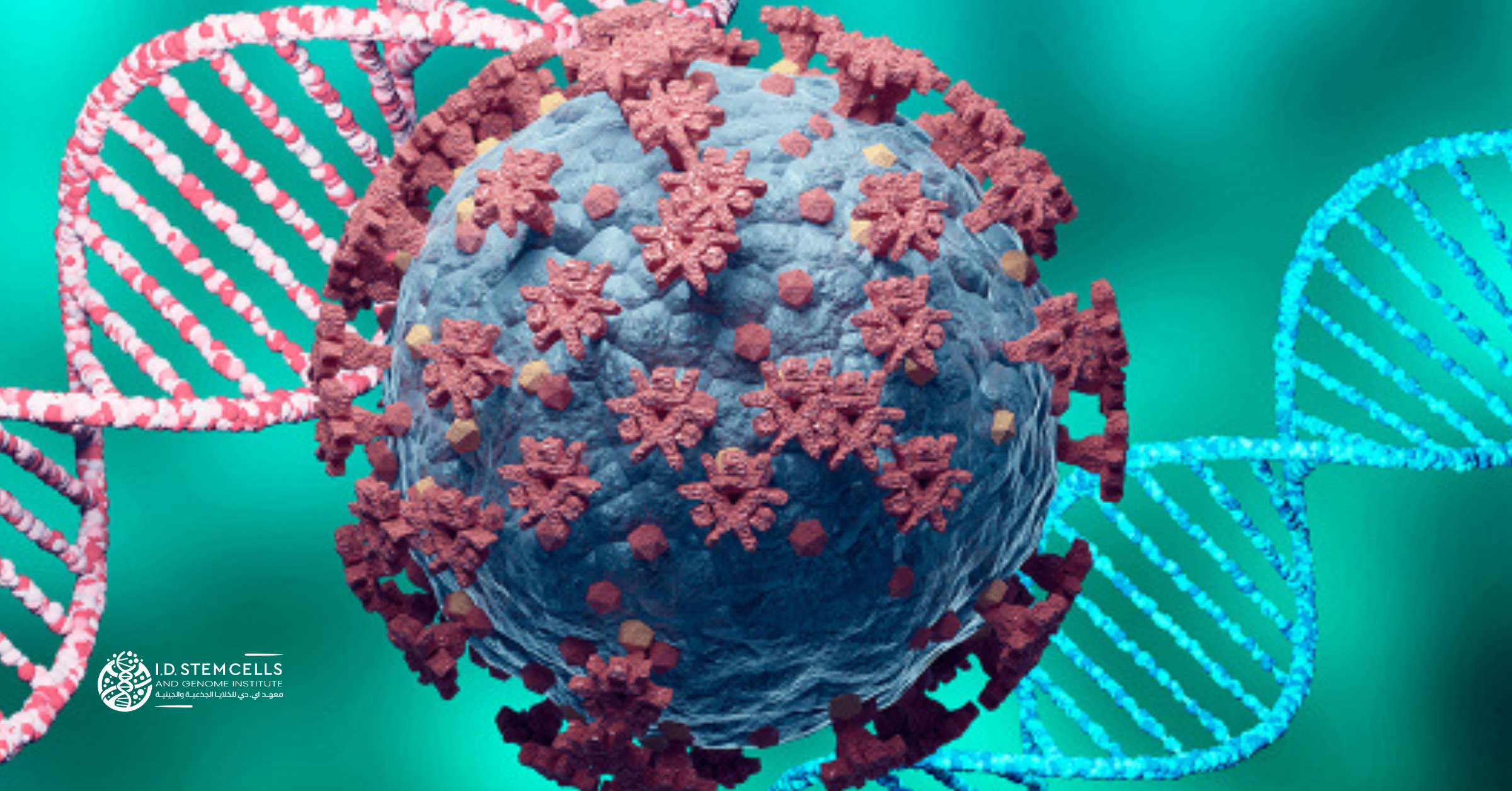
Also, due to the overexpression of ACE2 in pancreatic islet cells, SARS-CoV-2 may be a diabetes-causing virus that causes severe instability in blood glucose levels in diabetics, exacerbating the inflammatory imbalance.
As a result, diabetics can experience worsening symptoms after COVID-19, as evidenced by higher levels of multiple enzymes and inflammatory cytokines compared to non-diabetic individuals with COVID-19 pneumonia.