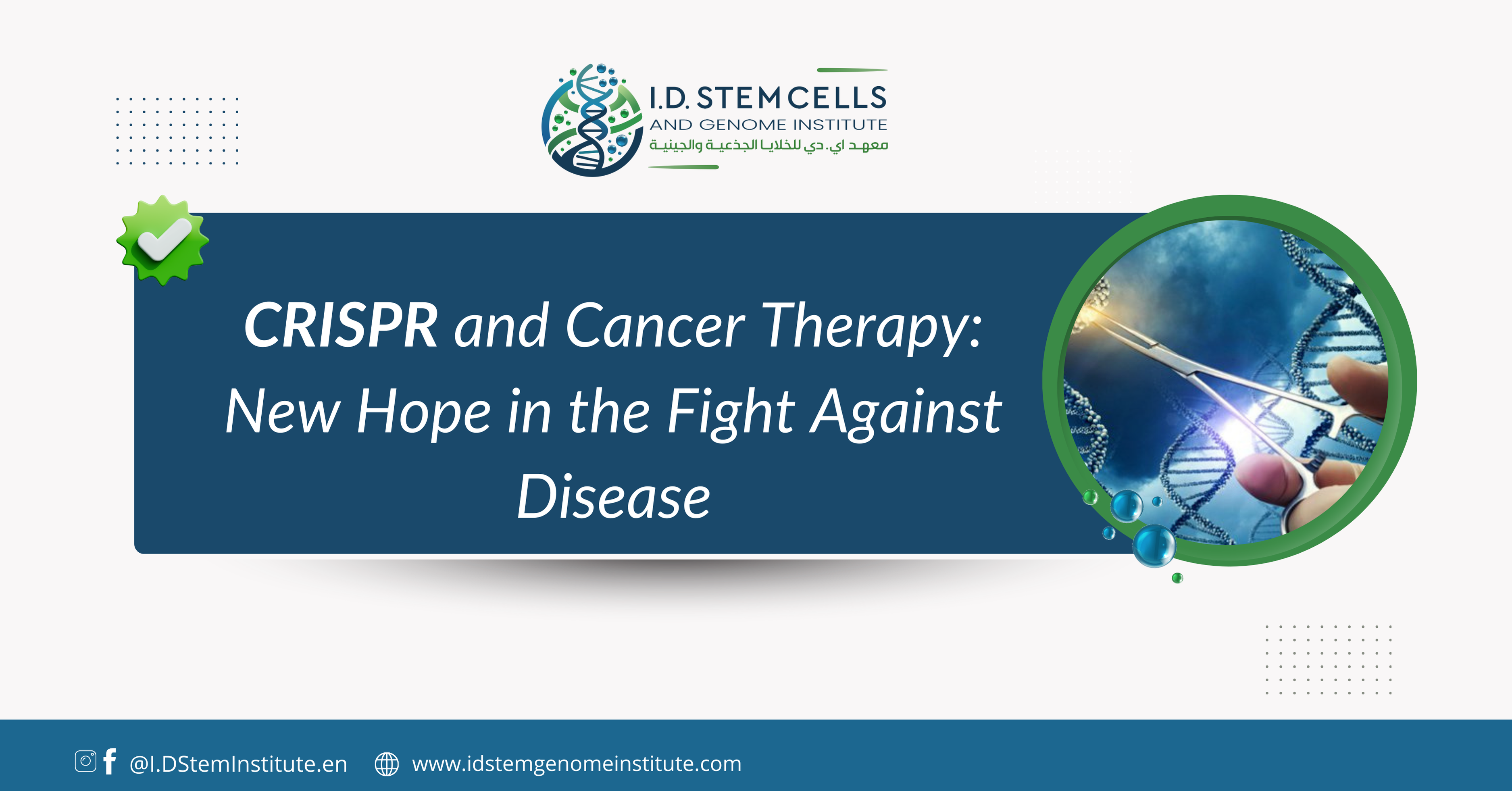
CRISPR is a revolutionary technology in genetic engineering, allowing scientists to edit genes with extreme precision. It has shown promise in treating many diseases, including cancer.
Somatic mutations in cancer have been extensively catalogued by numerous studies, including The Cancer Genome Atlas (TCGA) and the International Cancer Genome Consortium. These cancer-specific mutations provide unique therapeutic opportunities for targeted DNA cleavage using CRISPR/Cas9.

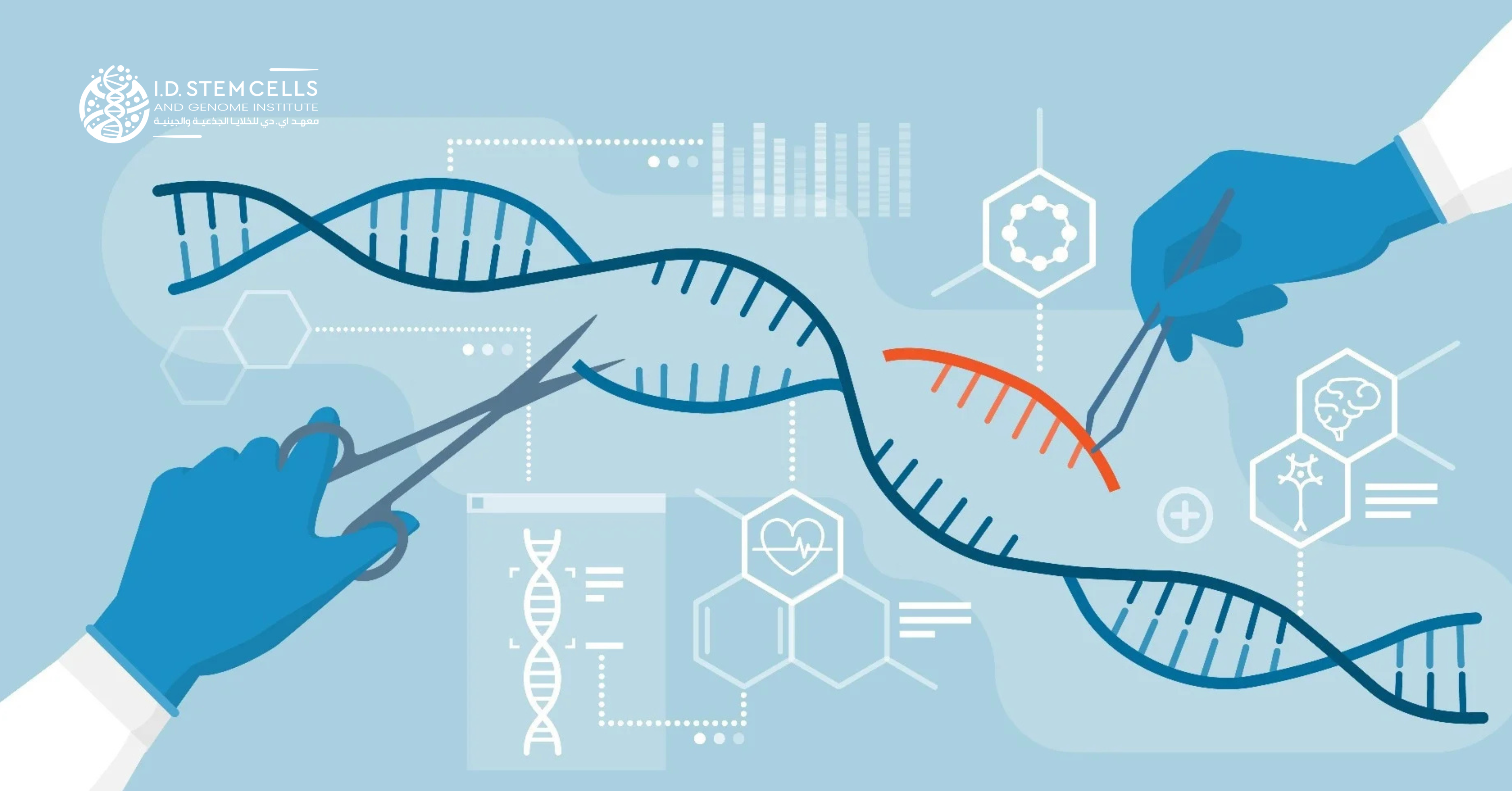
Early studies focused primarily on targeting genetic mutations. For example, specific cleavage of the EGFR or KRAS hotspot mutation effectively regressed tumors. In addition, simultaneous cleavage of intronic regions of fusion oncogenes, such as EWSR-FLI1 and BCR-ABL, selectively eliminated cancer cells. Despite these efforts, tumors that lack genetic mutations are not amenable to these approaches.
Recently, the generation of multiple double strands by simultaneous division of multiple cancer-specific insertions and deletions (InDels) has been shown to induce selective death of cancer cells. However, only a small proportion of patients carry these mutations. Therefore, expanding the scope of targeted mutations is crucial to increasing the number of patients eligible for CRISPR cancer therapy.