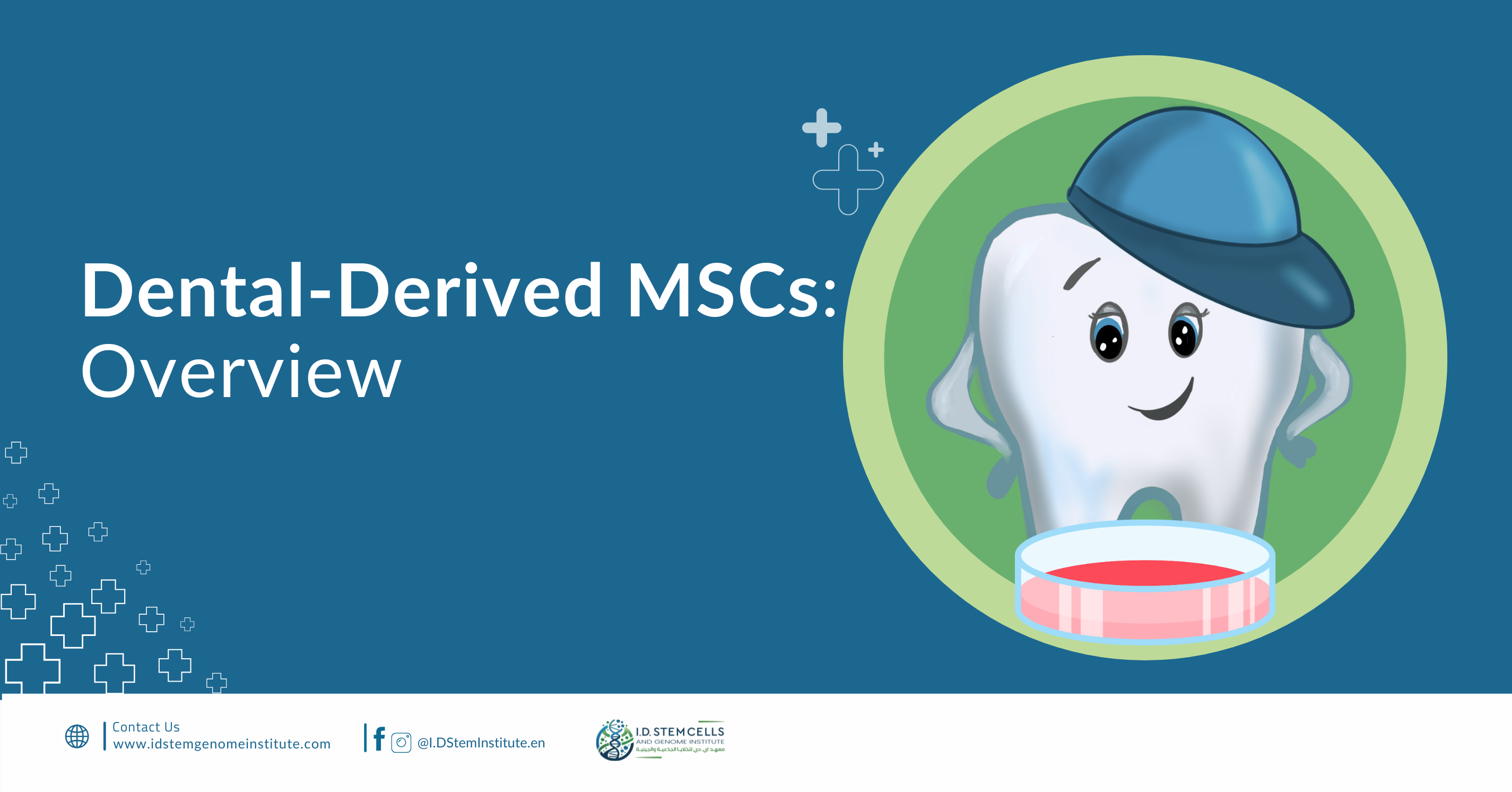
Dental-derived MSCs exhibit the same properties as bone marrow-derived MSCs (BM-MSCs); in addition, they possess immunomodulatory and anti-inflammatory benefits in the local dental tissue environment.
The regenerative activity of MSCs after transplantation can be achieved in several ways. This can be achieved either by direct engraftment and differentiation of MSCs into newly formed tissue or by direct or indirect immune regulation of secretory signals. The efficacy of stem cell therapy for the reconstruction of alveolar cleft and traumatic defects in adults was investigated. Eighteen patients were treated in a randomized, controlled clinical trial, which involved conventional autologous grafting or transplantation of autologous BM-MSCs treated with ixmyelocel-t.
Four months after transplantation, the graft sites were reattached to assess implant stability, and six months later, the success of the regenerative process was analyzed. Overall, the results demonstrated the ability of stem cell therapy to safely stimulate bone regeneration, with limited efficacy in the case of large alveolar defects.