Medical Articles

Extracellular Vesicles as an Alternative Therapy

Extracellular Vesicles as an Alternative Therapy

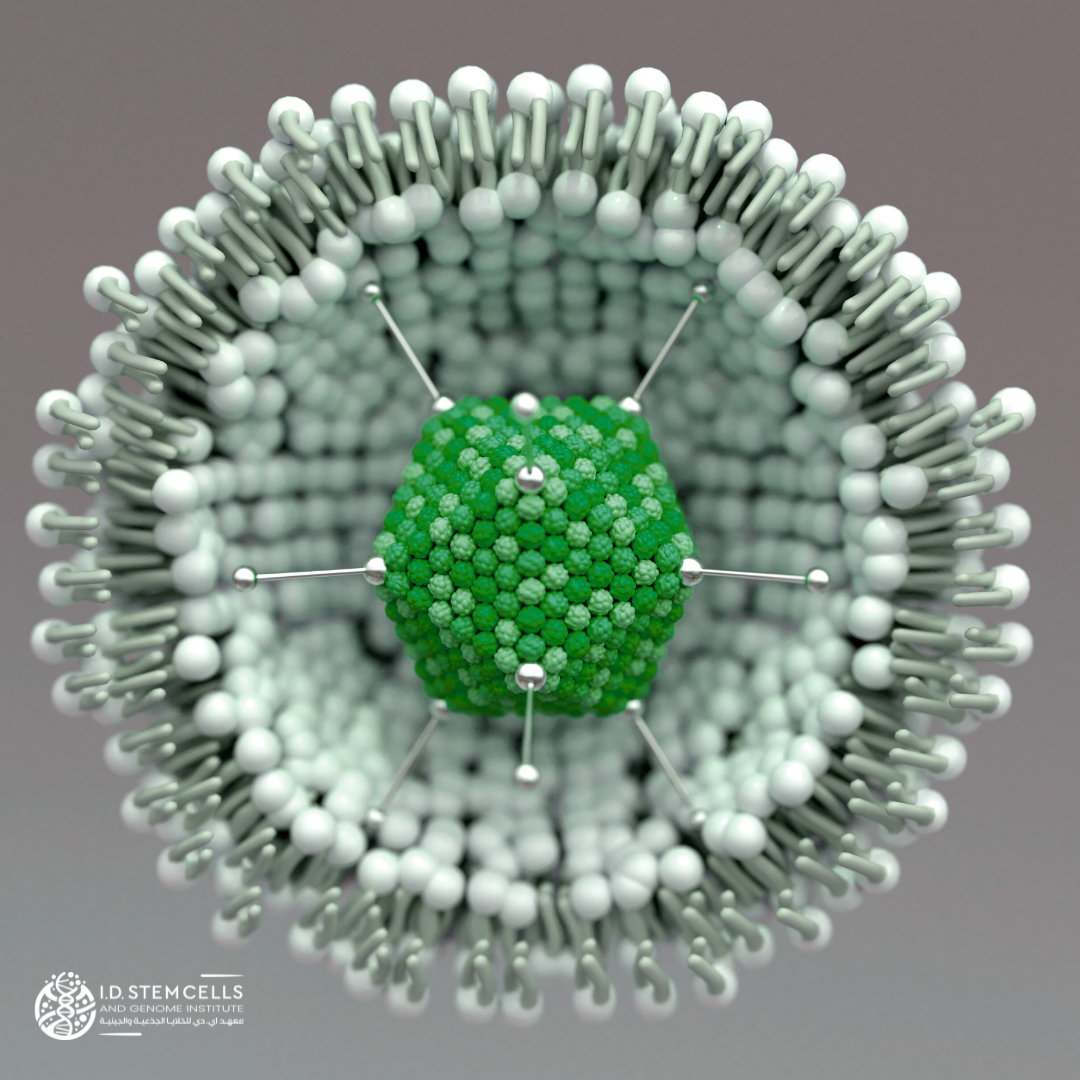
Stem cells can secrete extracellular vesicles (EVs), which possess the same therapeutic and regenerative effects as their parent stem cells.

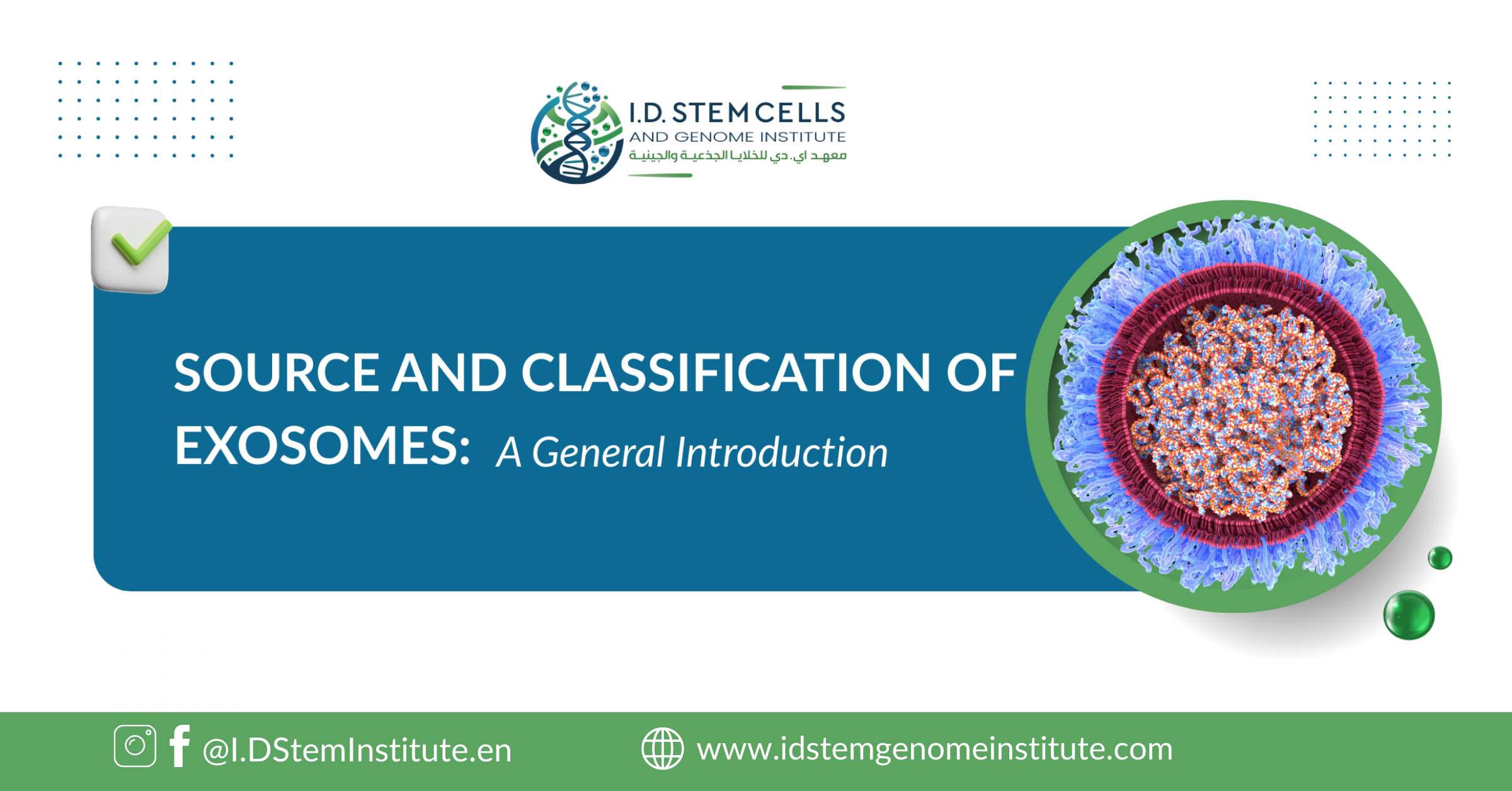
These are nanovesicles containing proteins, lipids, RNAs (mRNA, miRNA, and lncRNA), and other biomolecules that play a vital role in paracrine signaling. EVs, such as exosomes and microvesicles (MVs), are continuously released from all living cells. MVs are released from the cell membrane via direct budding, while exosomes are formed from multivesicular endosomes or multivesicular bodies.    Bioactive molecules, such as RNA, miRNA, lipids, and metabolites, are sorted into EVs through different methods of loading and transport. Differences in EV size and surface composition also affect uptake by target or recipient cells.  
Image

For example, microautophagy technically corresponds to the capture of isolated exocytic vesicles and small exocytic vesicles, but not large exocytic vesicles or clusters of small exocytic vesicles. Exocytic vesicles can be internalized and targeted to the lysosome for degradation or recycled and released into the extracellular fluid. Exocytic vesicles can also transmit information to recipient cells through local action on the cell membrane, particularly for signaling communication at the cell surface.   However, the key feature of exocytic vesicle cargo delivery is fusion with the plasma membrane and the transport of molecules into the cytoplasm. Exocytic vesicles are a form of secreted cells and contain the original cell's secretome. They can be used to treat various reproductive disorders due to their ability to transport various molecules.  Exocytic vesicles can be used in various cell-free therapies to overcome stem cell defects. 

For immediate consultation with experts from the I.D. Institute for Stem Cell and Gene Research

For immediate consultation with experts from the I.D. Institute for Stem Cell and Gene Research

Image

you may also like

Image

you may also like

Image
Image
Image
Image

I.D. Journal of Stem Cell Research and Advanced Therapeutics

A medical journal published by the I.D. Institute for Stem Cell and Genome Research

Image
Image
Image
Image
Image
Image
Image
Image
I.D. Journal of Stem Cell Research and Advanced Therapeutics

A medical journal published by the I.D. Institute for Stem Cell and Genome Research

Image
Image
Image
Image
Image

I.D. Educational Community

Join the I.D. Community, an interactive environment bringing together experts, alumni, and students. This community aims to:

  • Exchange Clinical Expertise: Discuss challenging medical cases to enhance treatment outcomes.

  • Discuss Cutting-edge Research: Explore contemporary debates such as Digital Twins, Gerontology, and AI in medicine.

  • Build Professional Networks: Connect with leaders in regenerative medicine and global health organizations.

Image
Image
Image

I.D. Educational Community

Join the I.D. Community, an interactive environment bringing together experts, alumni, and students. This community aims to:

  • Exchange Clinical Expertise: Discuss challenging medical cases to enhance treatment outcomes.

  • Discuss Cutting-edge Research: Explore contemporary debates such as Digital Twins, Gerontology, and AI in medicine.

  • Build Professional Networks: Connect with leaders in regenerative medicine and global health organizations.

Image
Image
Image
Image

© 2025 I.D. Holding, By prof. Dr. Islam Dababseh

© 2025 I.D. Holding, By prof. Dr. Islam Dababseh

Image

© 2025 I.D. Holding, By prof. Dr. Islam Dababseh

© 2025 I.D. Holding, By prof. Dr. Islam Dababseh

Image