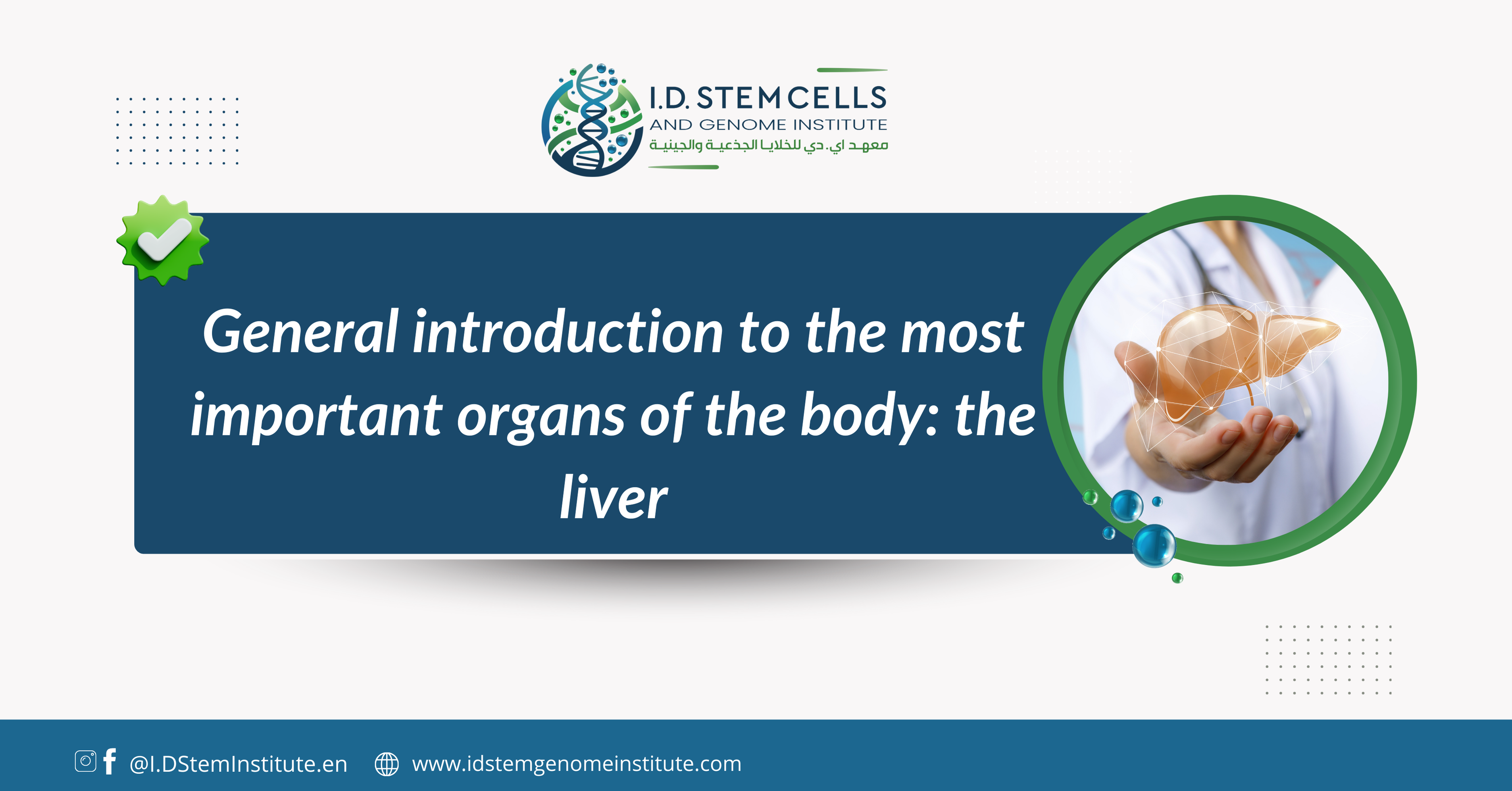
The liver is the largest and most important metabolic organ in the human body and is responsible for many functions related to maintaining internal homeostasis. The liver consists of several types of cells, including hepatocytes, cholangiocytes, hepatic stellate cells, Kupffer cells, and liver sinusoidal endothelial cells.
Liver dysfunction can lead to several pathological conditions, known as liver failure, which are usually associated with increased inflammation, fibrosis, necrosis/apoptosis or even hepatic steatosis.
According to the World Health Organization, liver disease is the 12th leading cause of death worldwide, with its incidence and prevalence increasing. The causes can be genetic and/or drug-induced and can lead to acute or chronic liver disorders, such as hepatitis, fibrosis, cirrhosis, cancer, metabolic or autoimmune disorders.

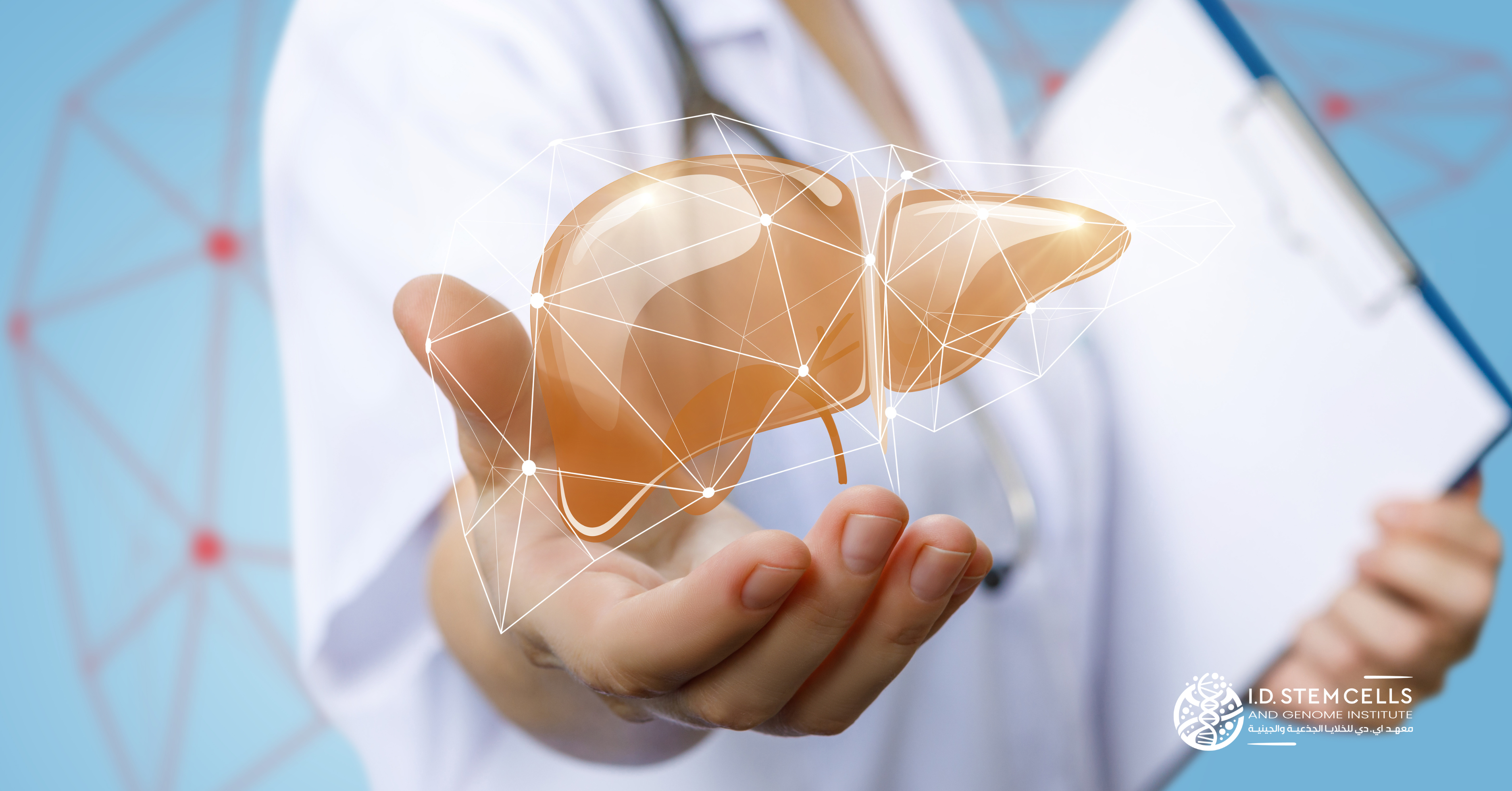
Although a healthy liver exhibits excellent regenerative potential, when it is severely damaged acutely or chronically, this ability is limited. Orthodontic liver transplantation (OLT) is currently the most effective treatment and the only established cure for end-stage liver disease and acute liver failure (ALF).
However, its use is limited by the lack of available donors, long waiting lists, high costs, and the requirement for lifelong immunosuppression.