Cardiovascular disease (CVD) remains a major global health challenge, causing more than 18 million deaths annually. This burden is particularly heavy in the WHO South-East Asia Region, where CVD causes 3.9 million deaths annually, primarily from heart attacks and strokes. This represents 30% of all deaths in the region, with nearly half of these deaths occurring prematurely, before the age of 70.
Main Causes of Heart Disease
Modifiable lifestyle factors include tobacco use, unhealthy diets, especially those high in salt, physical inactivity, and alcohol consumption. Furthermore, drug treatment for high blood pressure, diabetes, and hyperlipidemia is essential to reduce acute cardiovascular events. In the South-East Asia Region, one in four adults has high blood pressure, and one in ten has diabetes. Alarmingly, less than 15% of people with high blood pressure and diabetes receive effective treatment.
Main Causes of Heart Disease
Modifiable lifestyle factors include tobacco use, unhealthy diets, especially those high in salt, physical inactivity, and alcohol consumption. Furthermore, drug treatment for high blood pressure, diabetes, and hyperlipidemia is essential to reduce acute cardiovascular events. In the South-East Asia Region, one in four adults has high blood pressure, and one in ten has diabetes. Alarmingly, less than 15% of people with high blood pressure and diabetes receive effective treatment.
The Role of Awareness and Prevention in Reducing Heart Disease
Community awareness and regular screenings are the cornerstone of cardiovascular disease prevention. Early detection of risk factors such as high blood pressure, diabetes, and high cholesterol enables therapeutic intervention at an early stage, reducing serious complications. The World Health Organization confirms that adopting a healthy lifestyle—such as quitting smoking, exercising for 30 minutes daily, and reducing salt and saturated fat intake—can reduce the risk of heart disease by up to 50%. Awareness campaigns, such as those organized on World Heart Day, play a pivotal role in encouraging individuals to adopt healthy habits and undergo regular screenings.
The Role of Awareness and Prevention in Reducing Heart Disease
Community awareness and regular screenings are the cornerstone of cardiovascular disease prevention. Early detection of risk factors such as high blood pressure, diabetes, and high cholesterol enables therapeutic intervention at an early stage, reducing serious complications. The World Health Organization confirms that adopting a healthy lifestyle—such as quitting smoking, exercising for 30 minutes daily, and reducing salt and saturated fat intake—can reduce the risk of heart disease by up to 50%. Awareness campaigns, such as those organized on World Heart Day, play a pivotal role in encouraging individuals to adopt healthy habits and undergo regular screenings.
Challenges and Ways to Advance in Cardiac Healthcare
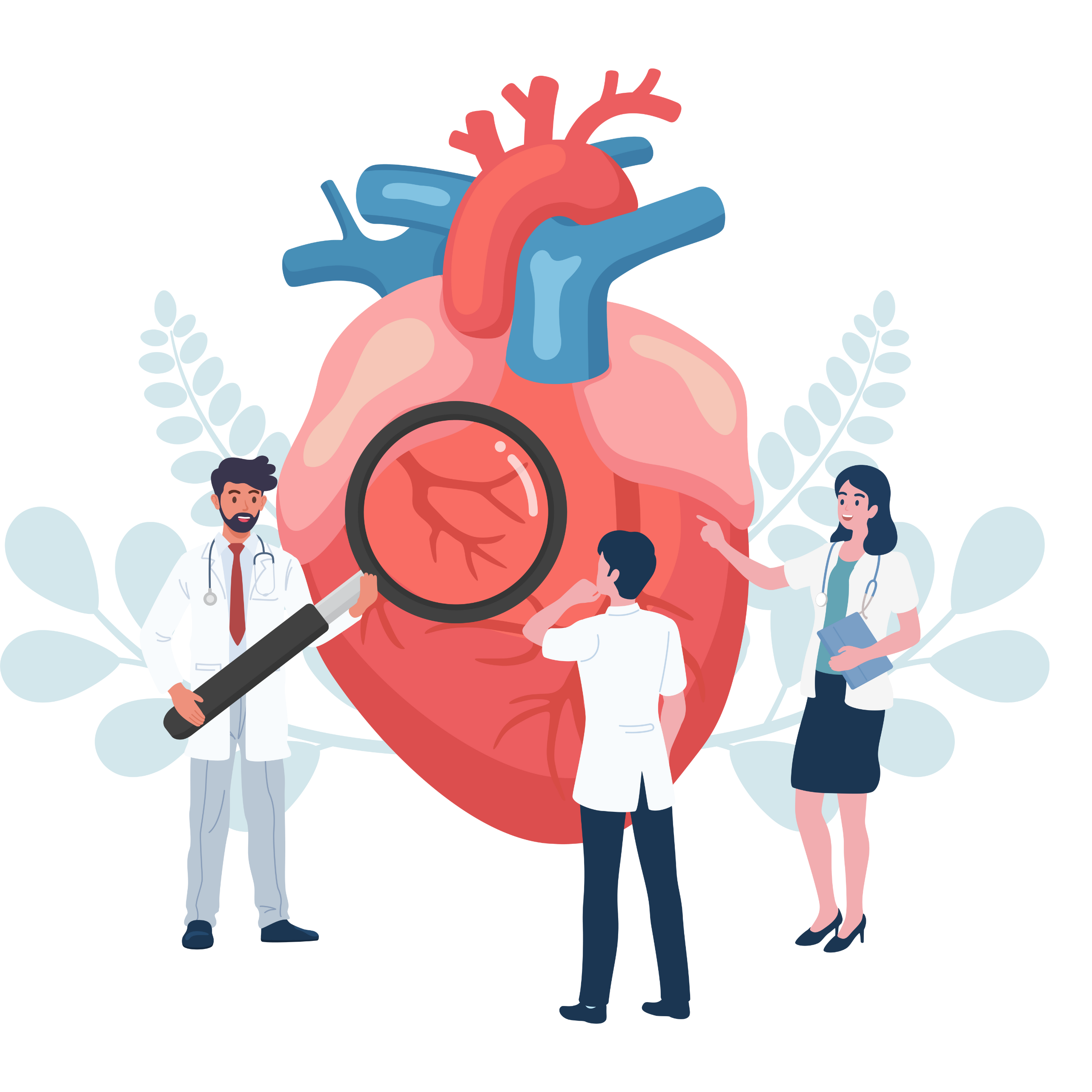
Despite significant medical advances in the diagnosis and treatment of heart disease, significant gaps in access to healthcare remain, especially in low- and middle-income countries. In many regions, the lack of medical infrastructure, high medication costs, and poor insurance coverage hinder individuals' ability to receive appropriate treatment. To overcome these challenges, health organizations call for increased investment in health systems, the provision of essential medicines at affordable prices, and training of medical personnel on the latest treatment protocols. They also encourage the adoption of modern technologies, such as telemedicine, to improve patient monitoring in remote areas, contributing to saving lives and improving the quality of life for those with heart disease.
Challenges and Ways to Advance in Cardiac Healthcare
Despite significant medical advances in the diagnosis and treatment of heart disease, significant gaps in access to healthcare remain, especially in low- and middle-income countries. In many regions, the lack of medical infrastructure, high medication costs, and poor insurance coverage hinder individuals' ability to receive appropriate treatment. To overcome these challenges, health organizations call for increased investment in health systems, the provision of essential medicines at affordable prices, and training of medical personnel on the latest treatment protocols. They also encourage the adoption of modern technologies, such as telemedicine, to improve patient monitoring in remote areas, contributing to saving lives and improving the quality of life for those with heart disease.