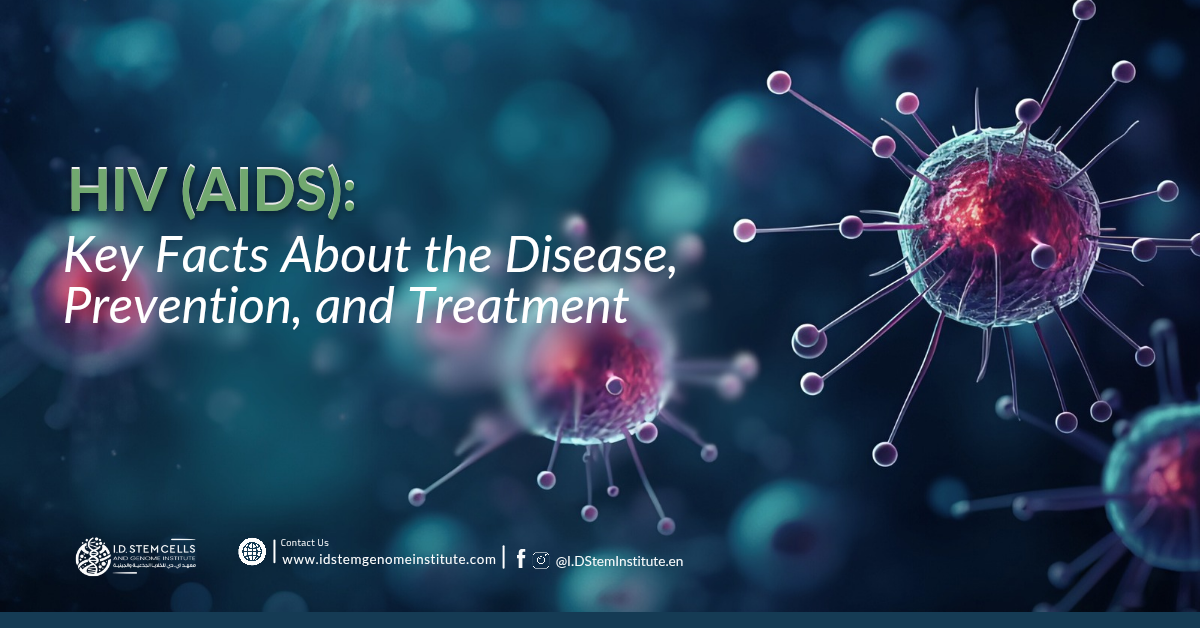
Human Immunodeficiency Virus (HIV) remains a major global public health issue, and transmission is ongoing in all countries. It has claimed an estimated 44.1 million lives to date
Overview and Disease Definition
The Human Immunodeficiency Virus (HIV) is a virus that attacks the body's immune system, targeting white blood cells, which weakens the body's ability to fight diseases and infections. Acquired Immunodeficiency Syndrome (AIDS) occurs at the most advanced stage of infection. Without treatment, HIV infection can progress to AIDS after many years, making the person susceptible to serious illnesses such as Tuberculosis (TB), cryptococcal meningitis, and some cancers (like Kaposi's sarcoma).
Statistics and Global Goals
At the end of 2024, an estimated 40.8 million people were living with HIV, 65% of whom were in the WHO African Region.
In the same year, an estimated 630,000 people died from HIV-related causes, and approximately 1.3 million people newly acquired the virus.
The World Health Organization’s (WHO) strategies align with Sustainable Development Goal 3.3 to end the HIV epidemic by 2030.
The "95-95-95" targets by 2025 are:
Diagnosing 95% of all people living with HIV.
95% of those diagnosed receiving life-saving Antiretroviral Therapy (ART).
95% of people living with HIV on treatment achieving a suppressed (undetectable) viral load.
Diagnosis and Treatment
1. Diagnosis: HIV can be diagnosed through rapid diagnostic tests that provide same-day results, which greatly facilitates early diagnosis and linkage with treatment and prevention. Positive test results require confirmatory testing. For children under 18 months of age born to HIV-positive mothers, antibody testing is not sufficient, and virological testing must be provided as early as possible.
2. Treatment: There is no cure for HIV infection. The infection is treated using Antiretroviral Therapy (ART). These drugs work to stop the virus from replicating in the body, allowing the immune system to recover and gain strength to fight other infections. ART must be taken every day for the rest of a person's life. Treatment reduces the amount of the virus in the body (viral load), allowing people to live long and healthy lives and preventing onward transmission of the virus. Pregnant women with HIV should have access to, and take, ART as soon as possible to protect their health and prevent HIV transmission to the fetus or infant
3. Prevention: HIV is a preventable disease, and prevention options include:
Using a male or female condom during sex.
Male circumcision.
Harm reduction services for injecting drug users.
Pre-Exposure Prophylaxis (PrEP): Antiretroviral medication used by HIV-negative people at high risk to reduce the risk of acquiring the virus.
Post-Exposure Prophylaxis (PEP): Medication given after potential exposure to the virus
At the I.D. Stem Cells and Genome Institute, we keep up with the latest developments in stem cell and gene therapy and regenerative medicine. If you are interested in learning more about the potential benefits of these treatments and the latest research findings, please feel free to contact us.