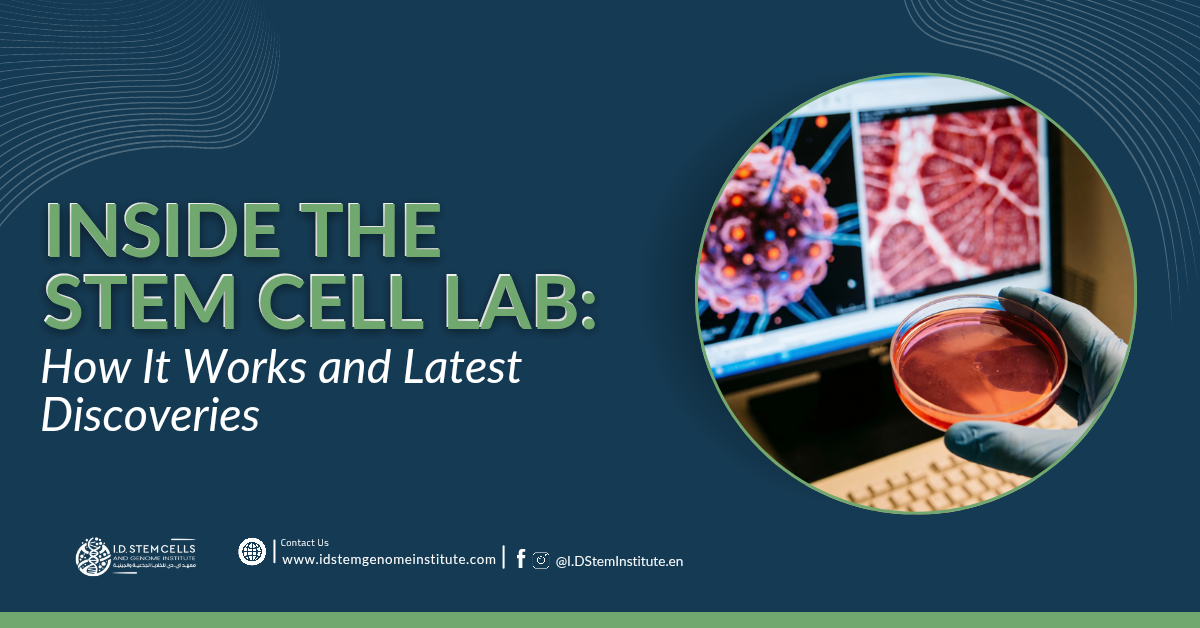
When a stem cell is injected into a patient with spinal cord damage, this simple cell transforms into complex neural tissue. The answer lies in the amazing mechanisms at work, similar to a multi-tasking rescue team operating at different levels.
Mechanisms of Action:
Direct Differentiation: The stem cell transforms into a nerve or heart cell to replace the damaged one.
Mechanisms of Action:
Direct Differentiation: The stem cell transforms into a nerve or heart cell to replace the damaged one.
Mechanisms of Action:
Direct Differentiation: The stem cell transforms into a nerve or heart cell to replace the damaged one.
Messenger Healing: Cells secrete growth factors such as VEGF and HGF that stimulate neighboring cells to regenerate.
Immune Control: Molecules such as PGE2 are released to inhibit inflammatory T cells, creating a favorable environment for recovery.
Extracellular Vesicles: Cells send "biological packages" containing RNA and proteins to repair distant cells.
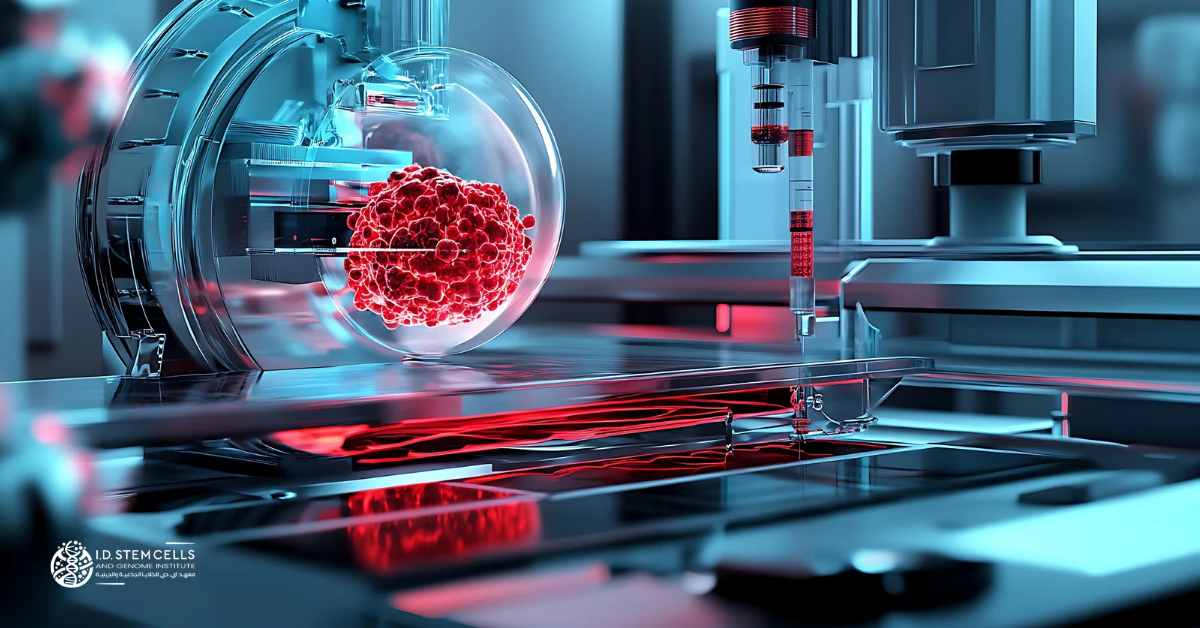
Messenger Healing: Cells secrete growth factors such as VEGF and HGF that stimulate neighboring cells to regenerate.
Immune Control: Molecules such as PGE2 are released to inhibit inflammatory T cells, creating a favorable environment for recovery.
Extracellular Vesicles: Cells send "biological packages" containing RNA and proteins to repair distant cells.
Messenger Healing: Cells secrete growth factors such as VEGF and HGF that stimulate neighboring cells to regenerate.
Immune Control: Molecules such as PGE2 are released to inhibit inflammatory T cells, creating a favorable environment for recovery.
Extracellular Vesicles: Cells send "biological packages" containing RNA and proteins to repair distant cells.
New Technology: Enhanced Arms for Stem Cells
CRISPR Technology: In 2023, Harvard researchers used gene editing to enhance cells' ability to produce collagen in burns, with a 90% success rate in mice.
Nanorobots: Smart nanoparticles injected with cells to guide them to damaged organs via magnetic fields.
3D printing: At MIT, scientists printed nasal cartilage using stem cells, with precision comparable to native tissue.
Achievements herald a new era.
Cerebral palsy: In a 2022 Spanish trial, motor skills improved in 75% of children after injecting umbilical cord cells.
Type 1 diabetes: Pancreatic cells derived from iPSCs stabilized blood sugar levels for six months in 8 out of 10 patients.
Corneal damage: 50 patients in India regained sight using stem cells from healthy corneas, with an 88% success rate.
New Technology: Enhanced Arms for Stem Cells
CRISPR Technology: In 2023, Harvard researchers used gene editing to enhance cells' ability to produce collagen in burns, with a 90% success rate in mice.
Nanorobots: Smart nanoparticles injected with cells to guide them to damaged organs via magnetic fields.
3D printing: At MIT, scientists printed nasal cartilage using stem cells, with precision comparable to native tissue.
Achievements herald a new era.
Cerebral palsy: In a 2022 Spanish trial, motor skills improved in 75% of children after injecting umbilical cord cells.
Type 1 diabetes: Pancreatic cells derived from iPSCs stabilized blood sugar levels for six months in 8 out of 10 patients.
Corneal damage: 50 patients in India regained sight using stem cells from healthy corneas, with an 88% success rate.
Scientists are currently working on ambitious projects:
Induced pluripotent stem cell banks (iPSC banks): In Japan, plans are underway to store pluripotent stem cells from one million donors by 2030 to provide genetically matched treatments.
Cellular Chimeras: Combining stem cells with nanomaterials to produce "super" tissues that resist aging.
Therapeutic Cloning: In 2023, a Chinese team successfully cloned liver cells from a patient's skin cells, with a 95% success rate.
Despite the impressive progress, there's still a long way to go before widespread adoption of stem cells. To date, 85% of clinical trials do not advance beyond Phase II.
Scientists are currently working on ambitious projects:
Induced pluripotent stem cell banks (iPSC banks): In Japan, plans are underway to store pluripotent stem cells from one million donors by 2030 to provide genetically matched treatments.
Cellular Chimeras: Combining stem cells with nanomaterials to produce "super" tissues that resist aging.
Therapeutic Cloning: In 2023, a Chinese team successfully cloned liver cells from a patient's skin cells, with a 95% success rate.
Despite the impressive progress, there's still a long way to go before widespread adoption of stem cells. To date, 85% of clinical trials do not advance beyond Phase II.