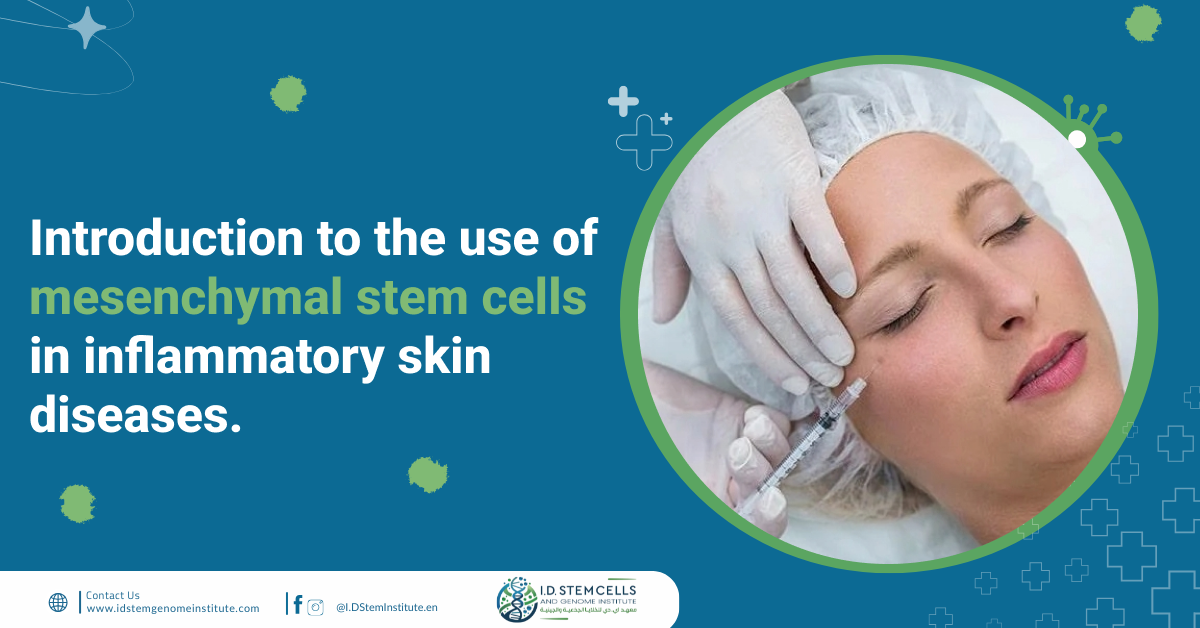
Dermatological diseases are of great public health importance due to their high prevalence and chronic nature despite their non-lethal nature. In addition, skin symptoms often cause disfigurement, disability, and complications with discomfort, which can lead to significant psychological and physical burdens on patients.
While mesenchymal stem cell therapy in dermatology was initiated as a concept for cell replacement therapy for skin defects and wound healing, recent accumulating evidence has suggested that mesenchymal stem cell-mediated immune modulation can be beneficially applied to the treatment of inflammatory skin conditions.
Indeed, beneficial results have been observed in various preclinical models of inflammatory skin diseases, including Alzheimer’s disease, psoriasis, and scleroderma, as well as autoimmune disorders affecting the skin, including graft-versus-host disease and systemic lupus erythematosus.
Based on these encouraging results, several clinical trials are currently underway to investigate the efficacy and safety of mesenchymal stem cells against these diseases.