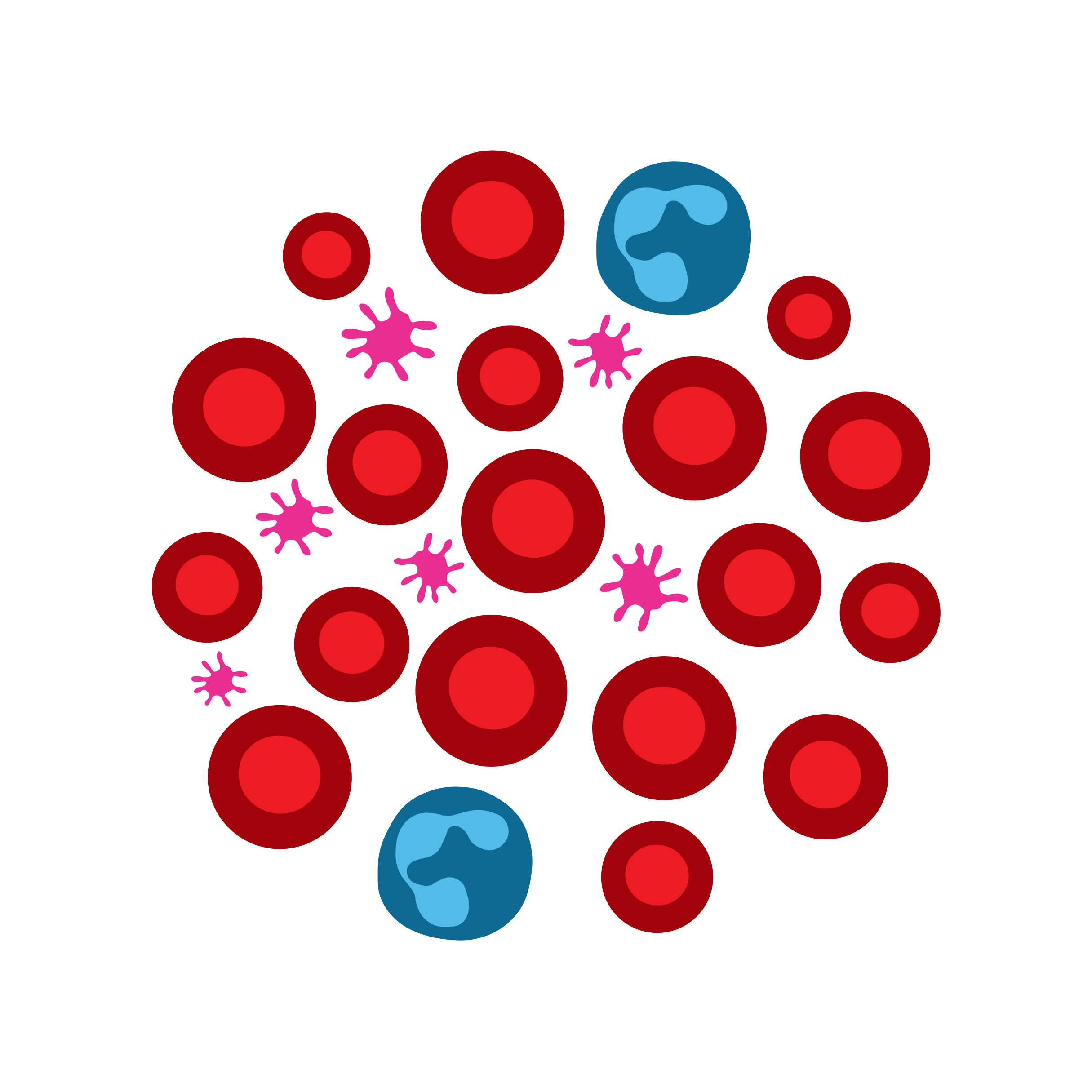
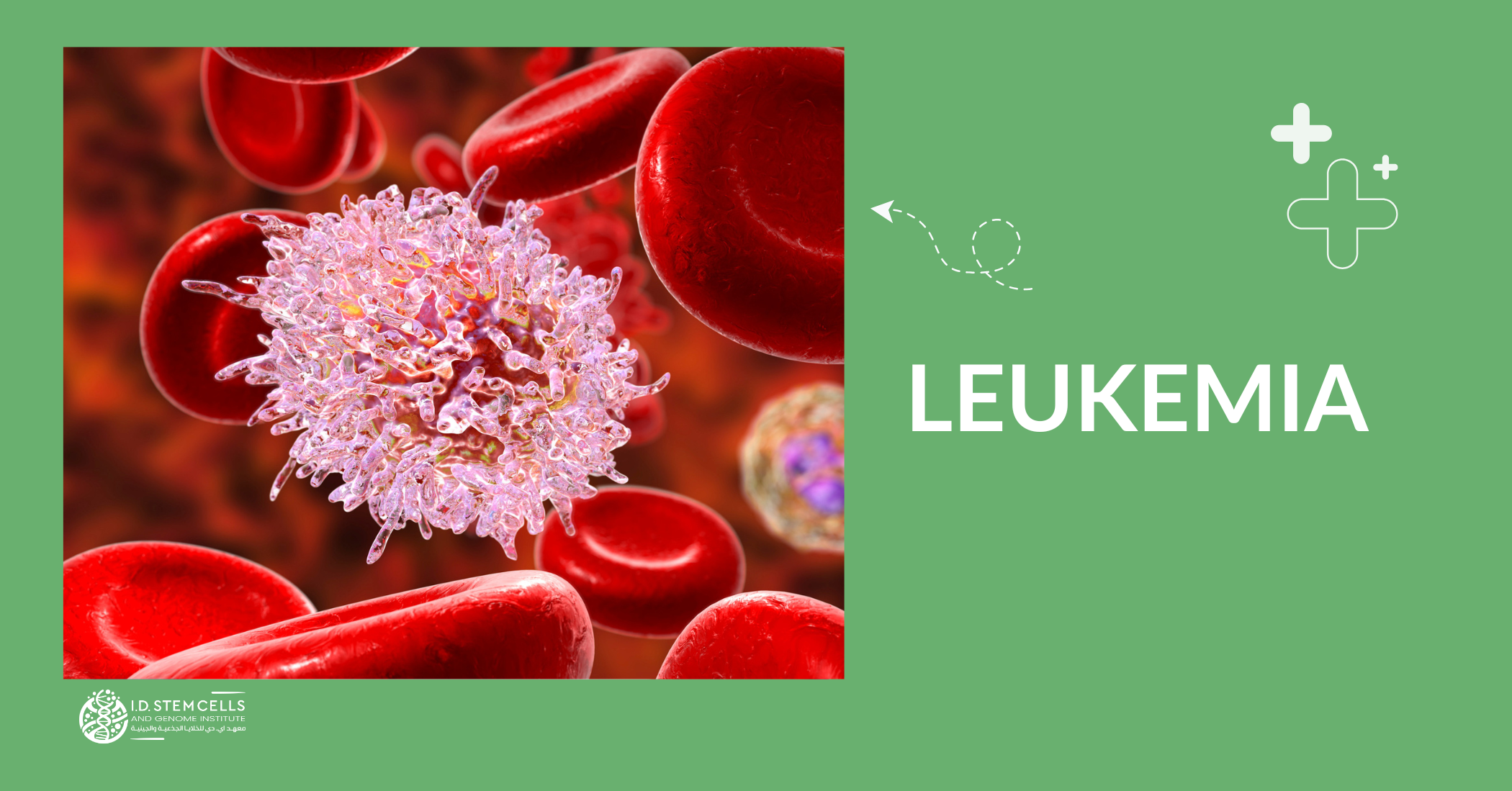
Leukemia, also known as leukemia, is a group of cancerous diseases that affect the bone marrow and lymphoid tissues and affect the production of blood cells. This disease is characterized by the production of abnormal blood cells that multiply rapidly and interfere with normal blood cell function. There are different types of leukemia, including acute lymphoblastic leukemia (ALL), acute myeloid leukemia (AML), chronic lymphocytic leukemia (CLL), and chronic myeloid leukemia (CML).
Types of Leukemia
- Acute lymphoblastic leukemia (ALL): This type is most common in children, but it can also affect adults. This type is characterized by the proliferation of immature lymphocytes in the bone marrow.
- Acute myeloid leukemia (AML): This type affects myeloid cells and is more common in adults. It is characterized by the accumulation of abnormal myeloid cells in the blood and bone marrow.
- Chronic lymphocytic leukemia (CLL): This type primarily affects older adults and develops slowly. It is characterized by the accumulation of abnormally proliferating lymphocytes in the blood, bone marrow, and lymphoid tissue.
- Chronic myeloid leukemia (CML): This type is characterized by the presence of the Philadelphia chromosome and produces abnormal myeloid cells that multiply slowly.
Types of Leukemia
- Acute lymphoblastic leukemia (ALL): This type is most common in children, but it can also affect adults. This type is characterized by the proliferation of immature lymphocytes in the bone marrow.
- Acute myeloid leukemia (AML): This type affects myeloid cells and is more common in adults. It is characterized by the accumulation of abnormal myeloid cells in the blood and bone marrow.
- Chronic lymphocytic leukemia (CLL): This type primarily affects older adults and develops slowly. It is characterized by the accumulation of abnormally proliferating lymphocytes in the blood, bone marrow, and lymphoid tissue.
- Chronic myeloid leukemia (CML): This type is characterized by the presence of the Philadelphia chromosome and produces abnormal myeloid cells that multiply slowly.
Causes and Risk Factors
The causes of leukemia include a combination of genetic and environmental factors. Some factors that increase the risk of leukemia include exposure to radiation, certain chemicals such as benzene, a family history of leukemia, and certain genetic disorders such as Down syndrome.
Causes and Risk Factors
The causes of leukemia include a combination of genetic and environmental factors. Some factors that increase the risk of leukemia include exposure to radiation, certain chemicals such as benzene, a family history of leukemia, and certain genetic disorders such as Down syndrome.
Treatment
There are various methods of treating leukemia, including:
- Chemotherapy: uses drugs to kill cancer cells.
- Radiation therapy: uses high-energy radiation to kill cancer cells.
- Immunotherapy: boosts the immune system to fight cancer.
- Bone marrow transplant: replaces damaged bone marrow with healthy bone marrow.
- Targeted therapy: targets specific weaknesses in cancer cells.
- CAR T-cell therapy: a type of immunotherapy that uses modified T cells to attack cancer cells.
Treatment
There are various methods of treating leukemia, including:
- Chemotherapy: uses drugs to kill cancer cells.
- Radiation therapy: uses high-energy radiation to kill cancer cells.
- Immunotherapy: boosts the immune system to fight cancer.
- Bone marrow transplant: replaces damaged bone marrow with healthy bone marrow.
- Targeted therapy: targets specific weaknesses in cancer cells.
- CAR T-cell therapy: a type of immunotherapy that uses modified T cells to attack cancer cells.
Recent advances in leukemia treatment include the use of monoclonal antibodies, immune checkpoint inhibitors, and gene therapies. Nanoderma drug delivery systems are being developed to increase treatment effectiveness and reduce side effects.