Type 2 diabetes mellitus (T2DM) is closely linked to insulin resistance and impaired insulin production over time. With advancements in medical research, treatment for type 2 diabetes is no longer limited to lowering blood glucose levels. It now aims to reduce cardiovascular and renal complications and improve the patient's long-term quality of life.
First: Lifestyle Modifications
Adopting a healthy lifestyle is the first and most essential step in managing type 2 diabetes. This includes:
Following a healthy, balanced diet: low in sugars and saturated fats, and high in fiber.
Engaging in regular, moderate intensity physical activity.
Losing weight, which significantly improves insulin sensitivity.
Quitting smoking and reducing stress.
First: Lifestyle Modifications
Adopting a healthy lifestyle is the first and most essential step in managing type 2 diabetes. This includes:
Following a healthy, balanced diet: low in sugars and saturated fats, and high in fiber.
Engaging in regular, moderate intensity physical activity.
Losing weight, which significantly improves insulin sensitivity.
Quitting smoking and reducing stress.

Second: Oral Medications
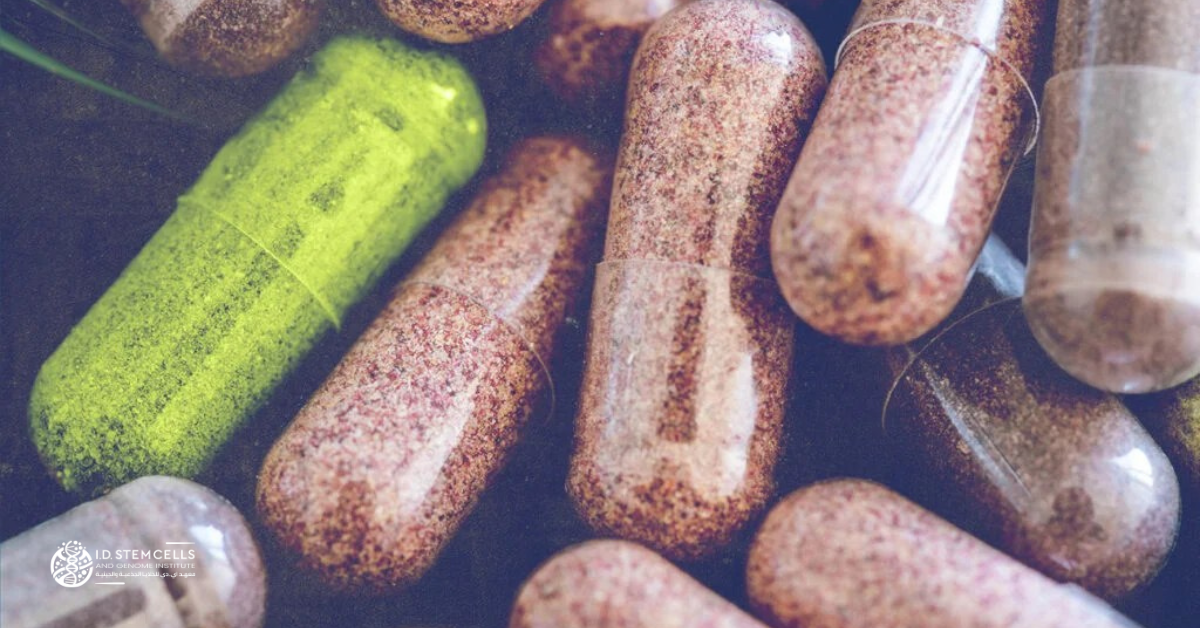
In some cases, lifestyle modifications alone are insufficient to restore balance in the body for diabetic patients. Medication is prescribed gradually based on blood glucose levels, the presence of cardiovascular and renal complications, and the patient's tolerance.
1. Metformin
This is the first-line treatment for most patients. It works by reducing hepatic glucose production and improving insulin sensitivity. It is highly effective, relatively safe, and does not cause weight gain.
2. Sulfonylureas
These medications stimulate insulin secretion from pancreatic beta cells, independent of glucose, by blocking pancreatic potassium channels. However, they may be associated with an increased risk of hypoglycemia (especially in the elderly, those with kidney impairment, or those with poor food intake) and can also lead to weight gain.
3. Glinides
Glinides stimulate insulin secretion to target post-meal hyperglycemia, but with a lower risk of hypoglycemia than sulfonylureas.
4. Thiazolidinediones (TZDs)
This class of diabetes medications improves insulin sensitivity, thereby lowering fasting and post-meal blood glucose levels. Its side effects include weight gain and an increased risk of bone fractures, especially in women. It should also be used with extreme caution in patients with heart conditions.
5. DPP-4 Inhibitors (Gliptins)
These medications prevent the breakdown of incretin hormones (GLP-1, GIP), thereby stimulating increased glucose-dependent insulin secretion and inhibiting glucagon secretion, which reduces glucose production by the liver—a phenomenon known as the incretin effect. They are relatively safe and do not commonly cause hypoglycemia.
6. GLP-1 Agonists
These treatments mimic the action of the hormone GLP-1 (glucagon-like peptide-1) in the body. This increases glucose-dependent insulin secretion, decreases post-meal glucagon secretion, and significantly slows gastric emptying, leading to increased satiety. There is also strong evidence of a reduced risk of cardiovascular and renal problems associated with these medications.
7. SGLT2 Inhibitors
These are relatively new treatments that lower blood sugar through an insulin-independent mechanism. They stimulate increased glucose excretion by the kidneys and prevent its reabsorption in the renal tubules.
SGLT2 inhibitors are known to reduce the risk of heart disease and kidney failure, and they also contribute to weight loss and lower blood pressure. Side effects may include vaginal yeast infections, urinary tract infections, and low blood pressure.
Second: Oral Medications
In some cases, lifestyle modifications alone are insufficient to restore balance in the body for diabetic patients. Medication is prescribed gradually based on blood glucose levels, the presence of cardiovascular and renal complications, and the patient's tolerance.
1. Metformin
This is the first-line treatment for most patients. It works by reducing hepatic glucose production and improving insulin sensitivity. It is highly effective, relatively safe, and does not cause weight gain.
2. Sulfonylureas
These medications stimulate insulin secretion from pancreatic beta cells, independent of glucose, by blocking pancreatic potassium channels. However, they may be associated with an increased risk of hypoglycemia (especially in the elderly, those with kidney impairment, or those with poor food intake) and can also lead to weight gain.
3. Glinides
Glinides stimulate insulin secretion to target post-meal hyperglycemia, but with a lower risk of hypoglycemia than sulfonylureas.
4. Thiazolidinediones (TZDs)
This class of diabetes medications improves insulin sensitivity, thereby lowering fasting and post-meal blood glucose levels. Its side effects include weight gain and an increased risk of bone fractures, especially in women. It should also be used with extreme caution in patients with heart conditions.
5. DPP-4 Inhibitors (Gliptins)
These medications prevent the breakdown of incretin hormones (GLP-1, GIP), thereby stimulating increased glucose-dependent insulin secretion and inhibiting glucagon secretion, which reduces glucose production by the liver—a phenomenon known as the incretin effect. They are relatively safe and do not commonly cause hypoglycemia.
6. GLP-1 Agonists
These treatments mimic the action of the hormone GLP-1 (glucagon-like peptide-1) in the body. This increases glucose-dependent insulin secretion, decreases post-meal glucagon secretion, and significantly slows gastric emptying, leading to increased satiety. There is also strong evidence of a reduced risk of cardiovascular and renal problems associated with these medications.
7. SGLT2 Inhibitors
These are relatively new treatments that lower blood sugar through an insulin-independent mechanism. They stimulate increased glucose excretion by the kidneys and prevent its reabsorption in the renal tubules.
SGLT2 inhibitors are known to reduce the risk of heart disease and kidney failure, and they also contribute to weight loss and lower blood pressure. Side effects may include vaginal yeast infections, urinary tract infections, and low blood pressure.
Does insulin therapy play a role in managing type 2 diabetes?
Insulin therapy may become necessary in the advanced stages of type 2 diabetes or when other treatments fail to achieve the desired control of glycated hemoglobin (HbA1c) levels (above 9%), especially with severe symptoms such as excessive thirst or weight loss. Adherence to the prescribed treatment protocol, along with lifestyle modifications and regular medical follow-up, remains essential for effective management of type 2 diabetes and improving patients' quality of life.
At the I.D. Stem Cells and Genome Institute, we keep abreast of the latest scientific developments in the field of stem cell and gene therapy and regenerative medicine. If you are interested in learning more about the potential benefits of these treatments and the latest research findings, please feel free to contact us.
Does insulin therapy play a role in managing type 2 diabetes?
Insulin therapy may become necessary in the advanced stages of type 2 diabetes or when other treatments fail to achieve the desired control of glycated hemoglobin (HbA1c) levels (above 9%), especially with severe symptoms such as excessive thirst or weight loss. Adherence to the prescribed treatment protocol, along with lifestyle modifications and regular medical follow-up, remains essential for effective management of type 2 diabetes and improving patients' quality of life.
At the I.D. Stem Cells and Genome Institute, we keep abreast of the latest scientific developments in the field of stem cell and gene therapy and regenerative medicine. If you are interested in learning more about the potential benefits of these treatments and the latest research findings, please feel free to contact us.