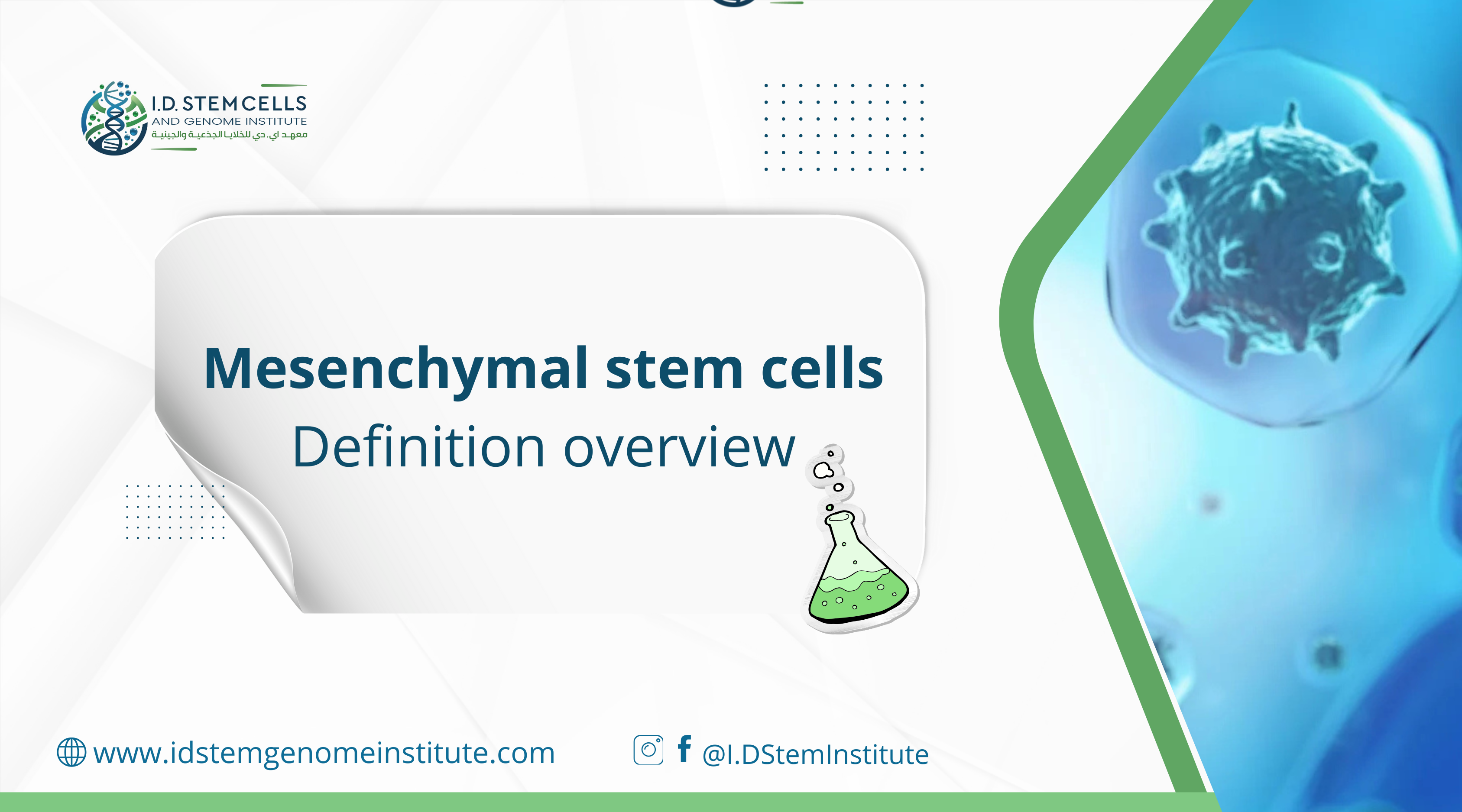
Since the discovery of spindle-shaped bone marrow-derived plastic adherent cells in the mid-1970s, science has come a long way, and studies have found that these cells can differentiate into osteoblasts and chondrocytes.
Techniques for extracting, culturing, and inducing mesenchymal stem cells have improved, with almost all types of mesenchymal stem cells derived from various tissues now capable of differentiating into osteoblasts and terminal lineages.
The rapid development of molecular biology and transplantation techniques has benefited the applications of MSCs in regenerative medicine.
MSCs are an ideal source of cells for tissue regeneration, due to their excellent properties as follows: MSCs are found in almost all tissues, including bone marrow, fat, and synovium, and can be easily extracted.

Cancer stem cells can differentiate into almost any terminal lineage cell to enable their transplantation into specific scaffolds.
Their immunomodulatory properties, including anti-inflammatory, immunoregulatory, and immunosuppressive capabilities, contribute to their potential role as immune-tolerant agents.