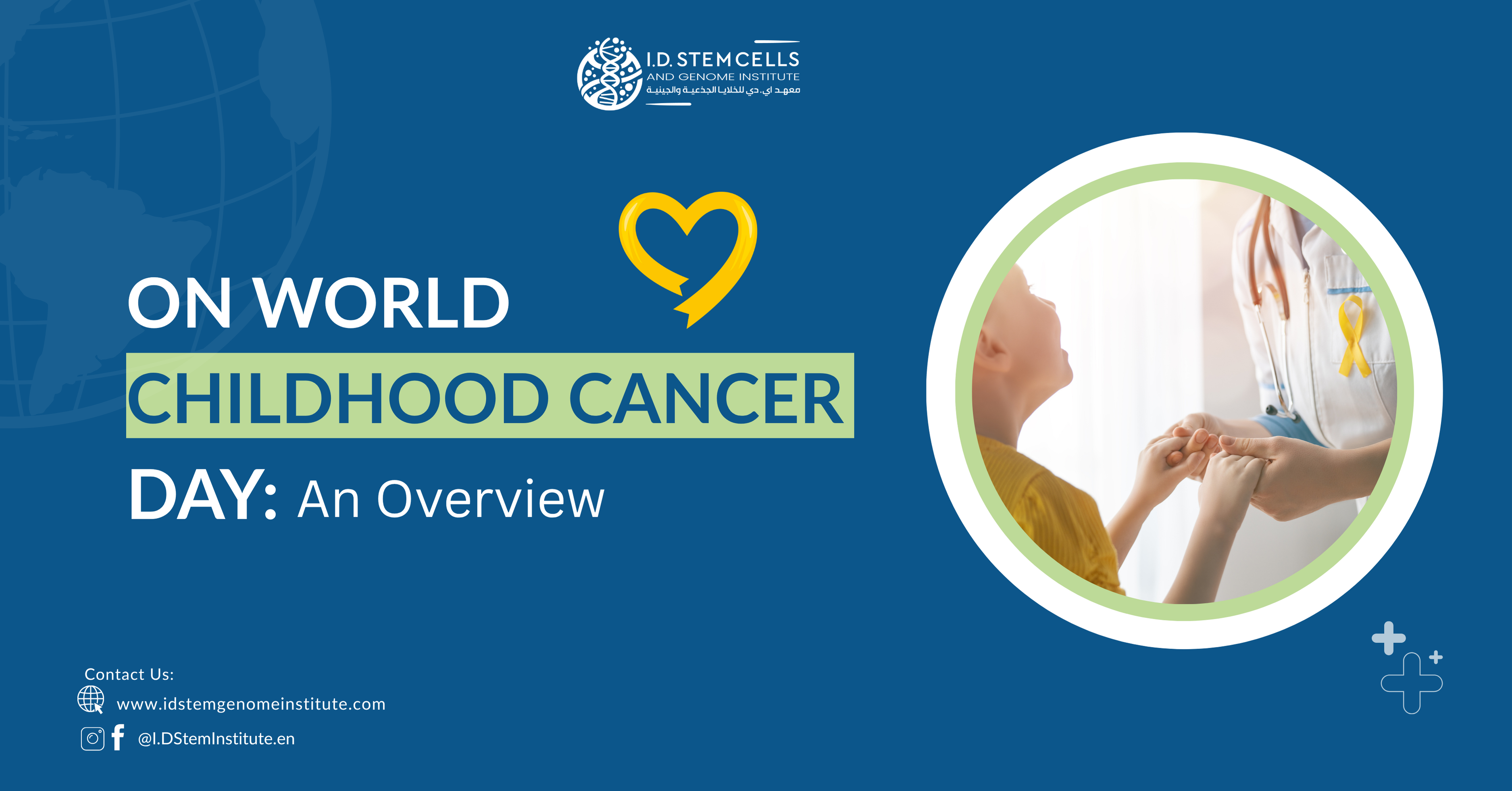
Childhood cancer is a general term that encompasses a variety of malignancies that affect children and adolescents. Although childhood cancer is relatively rare compared to adult cancers, it remains the leading cause of disease-related death among children in many countries.
Childhood cancer often responds better to treatment than adult cancers, which has led to significant improvements in survival rates over the past few decades.
The most common types of cancer among children include:
- Leukemia: The most common type of childhood cancer, accounting for about one-third of all childhood cancers, leukemia is characterized by the abnormal proliferation of white blood cells, which impairs normal bone marrow function.
There are two main types: acute lymphoblastic leukemia (ALL) and acute myeloid leukemia (AML), with AML being the most common among children.
The most common types of cancer among children include:
- Leukemia: The most common type of childhood cancer, accounting for about one-third of all childhood cancers, leukemia is characterized by the abnormal proliferation of white blood cells, which impairs normal bone marrow function.
There are two main types: acute lymphoblastic leukemia (ALL) and acute myeloid leukemia (AML), with AML being the most common among children.
- Brain tumors: The second most common type of cancer among children, brain tumors can arise in various areas of the brain and can be benign or malignant. This classification includes different types such as astrocytoma, medulloblastoma, and ependymoma.
- Lymphomas: Cancers of the lymphatic system, which includes the lymph nodes, spleen, and bone marrow. There are two main types of lymphoma: Hodgkin lymphoma and non-Hodgkin lymphoma.
- Glioblastomas: These include neuroblastoma (which arises in immature nerve cells) and nephroblastoma (Wilms tumor, which affects the kidneys).
- Sarcoma: These are cancers that affect soft tissue (such as muscle and fat) or bone.
Potential Risk Factors
Although the causes of most childhood cancers are unknown, some risk factors have been identified:
- Genetics: Genetic factors play a role in some types of childhood cancer. Children with a family history of cancer may have an increased risk of developing the disease. Certain inherited gene mutations have been linked to an increased risk of leukemia.
- Environmental Exposure: Exposure to certain environmental toxins, such as tobacco smoke and pesticides, may increase the risk of childhood cancer.
- Birth Defects: Children with certain birth defects may be at greater risk of developing certain types of cancer.
- Immune Disorders: Children with congenital immune disorders may be at greater risk of developing cancer.


Diagnosis and Treatment
The diagnosis of childhood cancer is based on a variety of tests, including physical examinations, blood tests, biopsies, and imaging. Treatment for childhood cancer depends on the type and stage of cancer, the child's age, and overall health. Common treatment options include:
- Surgery: Surgical removal of the tumor.
- Chemotherapy: Using medications to kill cancer cells.
- Radiation therapy: Using high-energy rays to kill cancer cells.
- Stem cell transplantation: Replacing damaged bone marrow with healthy bone marrow.
- Immunotherapy: Using the
immune system to fight cancer.
Raising awareness of childhood cancer is crucial for early detection and timely referral. In low- and middle-income countries, awareness can play a key role in reducing underdiagnosis and speeding up referral, ultimately improving outcomes.
Potential Risk Factors
Although the causes of most childhood cancers are unknown, some risk factors have been identified:
- Genetics: Genetic factors play a role in some types of childhood cancer. Children with a family history of cancer may have an increased risk of developing the disease. Certain inherited gene mutations have been linked to an increased risk of leukemia.
- Environmental Exposure: Exposure to certain environmental toxins, such as tobacco smoke and pesticides, may increase the risk of childhood cancer.
- Birth Defects: Children with certain birth defects may be at greater risk of developing certain types of cancer.
- Immune Disorders: Children with congenital immune disorders may be at greater risk of developing cancer.
Diagnosis and Treatment
The diagnosis of childhood cancer is based on a variety of tests, including physical examinations, blood tests, biopsies, and imaging. Treatment for childhood cancer depends on the type and stage of cancer, the child's age, and overall health. Common treatment options include:
- Surgery: Surgical removal of the tumor.
- Chemotherapy: Using medications to kill cancer cells.
- Radiation therapy: Using high-energy rays to kill cancer cells.
- Stem cell transplantation: Replacing damaged bone marrow with healthy bone marrow.
- Immunotherapy: Using the
immune system to fight cancer.
Raising awareness of childhood cancer is crucial for early detection and timely referral. In low- and middle-income countries, awareness can play a key role in reducing underdiagnosis and speeding up referral, ultimately improving outcomes.