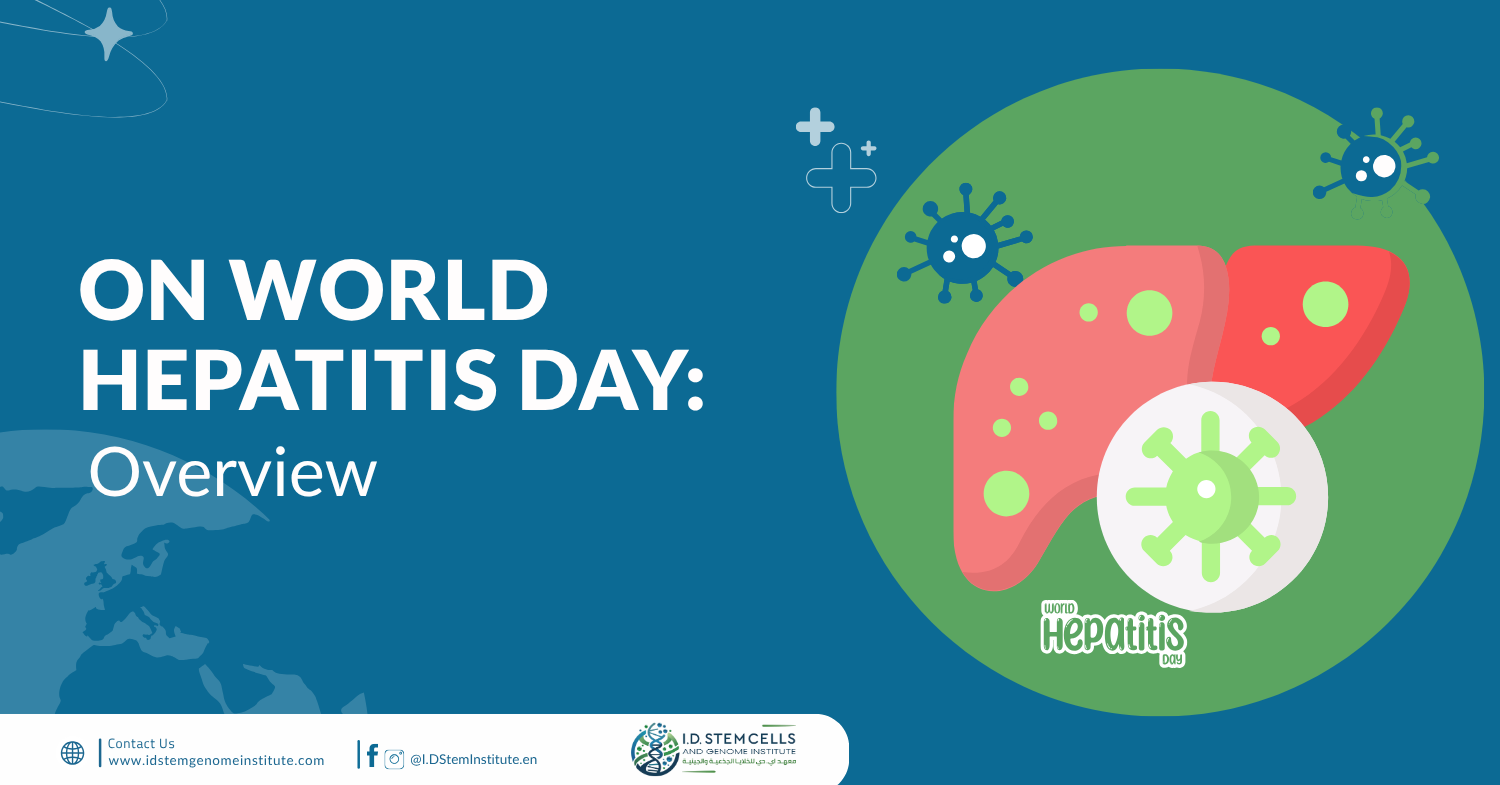
Viral hepatitis is an inflammation of the liver caused by various types of viruses. It is considered a major global health problem due to its prevalence and the serious complications it causes, such as cirrhosis and liver cancer.
Types of Viral Hepatitis
There are five main types of hepatitis viruses, each with its own characteristics and modes of transmission:
- Hepatitis A: It is usually transmitted through contaminated food and water. It is usually acute and does not lead to chronic hepatitis.
- Hepatitis B: It is transmitted through contaminated blood and body fluids. It can be acute or chronic, and causes serious complications such as cirrhosis and liver failure.
- Hepatitis C: It is transmitted primarily through contaminated blood. It often becomes chronic and leads to cirrhosis and liver cancer if left untreated.
- Hepatitis D: It only affects people already infected with hepatitis B and can worsen the disease and progress to cirrhosis.
- Hepatitis E: It is usually transmitted through contaminated water. It is similar to hepatitis A in that it is often acute, but it can be dangerous for pregnant women.


Symptoms and Diagnosis
Symptoms of viral hepatitis vary depending on the type of virus and the severity of the infection. Common symptoms may include:
- Fatigue
- Loss of appetite
- Nausea and vomiting
- Abdominal pain
- Dark urine
- Jaundice (yellowing of the skin and eyes)
Viral hepatitis is diagnosed through laboratory tests that detect the presence of viruses in the blood and evaluate liver function. In some cases, a liver biopsy may be necessary to determine the extent of liver damage.


Types of Viral Hepatitis
There are five main types of hepatitis viruses, each with its own characteristics and modes of transmission:
- Hepatitis A: It is usually transmitted through contaminated food and water. It is usually acute and does not lead to chronic hepatitis.
- Hepatitis B: It is transmitted through contaminated blood and body fluids. It can be acute or chronic, and causes serious complications such as cirrhosis and liver failure.
- Hepatitis C: It is transmitted primarily through contaminated blood. It often becomes chronic and leads to cirrhosis and liver cancer if left untreated.
- Hepatitis D: It only affects people already infected with hepatitis B and can worsen the disease and progress to cirrhosis.
- Hepatitis E: It is usually transmitted through contaminated water. It is similar to hepatitis A in that it is often acute, but it can be dangerous for pregnant women.
Symptoms and Diagnosis
Symptoms of viral hepatitis vary depending on the type of virus and the severity of the infection. Common symptoms may include:
- Fatigue
- Loss of appetite
- Nausea and vomiting
- Abdominal pain
- Dark urine
- Jaundice (yellowing of the skin and eyes)
Viral hepatitis is diagnosed through laboratory tests that detect the presence of viruses in the blood and evaluate liver function. In some cases, a liver biopsy may be necessary to determine the extent of liver damage.
Treatment and Prevention
Treatment methods vary depending on the type of viral hepatitis and the severity of the disease:
Hepatitis A and E: Treatment is usually limited to rest and good nutrition, as most cases resolve spontaneously. * Hepatitis B: Acute cases can be treated with antiviral medications, while chronic cases require long-term treatment to control the virus and reduce the risk of complications.
Hepatitis C: Treatment is with antiviral medications that eliminate the virus in most cases.
Hepatitis D: Treatment depends on controlling hepatitis B and may require the use of interferon.

Treatment and Prevention
Treatment methods vary depending on the type of viral hepatitis and the severity of the disease:
Hepatitis A and E: Treatment is usually limited to rest and good nutrition, as most cases resolve spontaneously. * Hepatitis B: Acute cases can be treated with antiviral medications, while chronic cases require long-term treatment to control the virus and reduce the risk of complications.
Hepatitis C: Treatment is with antiviral medications that eliminate the virus in most cases.
Hepatitis D: Treatment depends on controlling hepatitis B and may require the use of interferon.
Methods of preventing viral hepatitis include:
Vaccination: Effective vaccines are available for hepatitis A and B.
Personal hygiene: Wash hands regularly and avoid sharing personal items.
Food and water safety: Ensure food and water are clean and avoid undercooked foods.
Avoid unsafe injection practices: Use single-use syringes and properly sterilize medical equipment.
Regular screening: For people at high risk of infection, such as healthcare workers and those receiving blood transfusions.
Methods of preventing viral hepatitis include:
Vaccination: Effective vaccines are available for hepatitis A and B.
Personal hygiene: Wash hands regularly and avoid sharing personal items.
Food and water safety: Ensure food and water are clean and avoid undercooked foods.
Avoid unsafe injection practices: Use single-use syringes and properly sterilize medical equipment.
Regular screening: For people at high risk of infection, such as healthcare workers and those receiving blood transfusions.