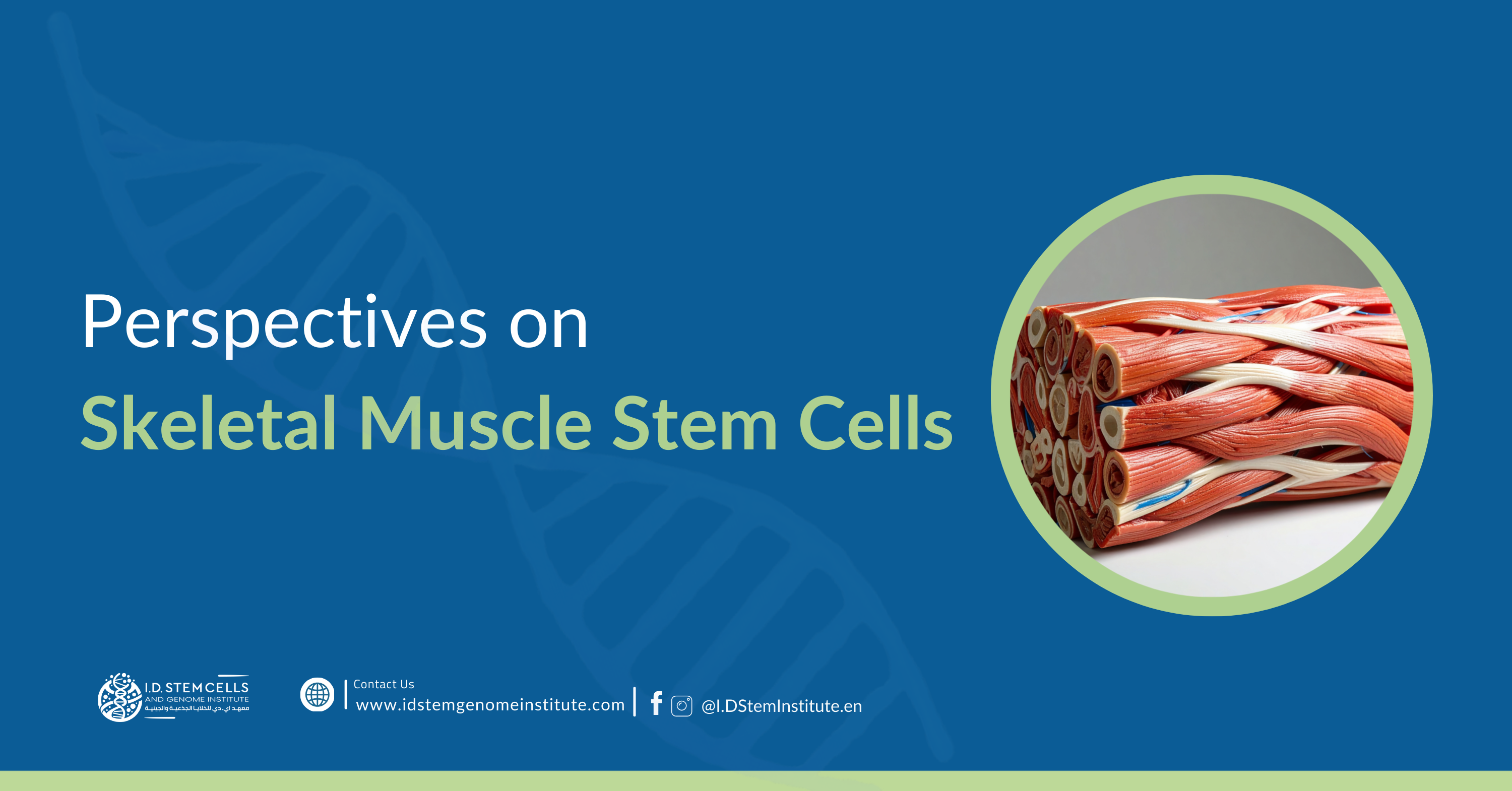
Skeletal muscle accounts for 30-40% of body mass and is a highly organized tissue composed of numerous cells, known as myofibers, formed by the fusion of myogenic progenitor cells.
Despite the post-mitotic nature of myofibers, skeletal muscle possesses a robust regenerative capacity in response to injury. This relies on resident muscle stem cells (MuSCs), also called "satellite cells" due to their unique anatomical location at the periphery of the muscle fiber. MuSCs are normally found in a quiescent state but may enter the cell cycle after injury
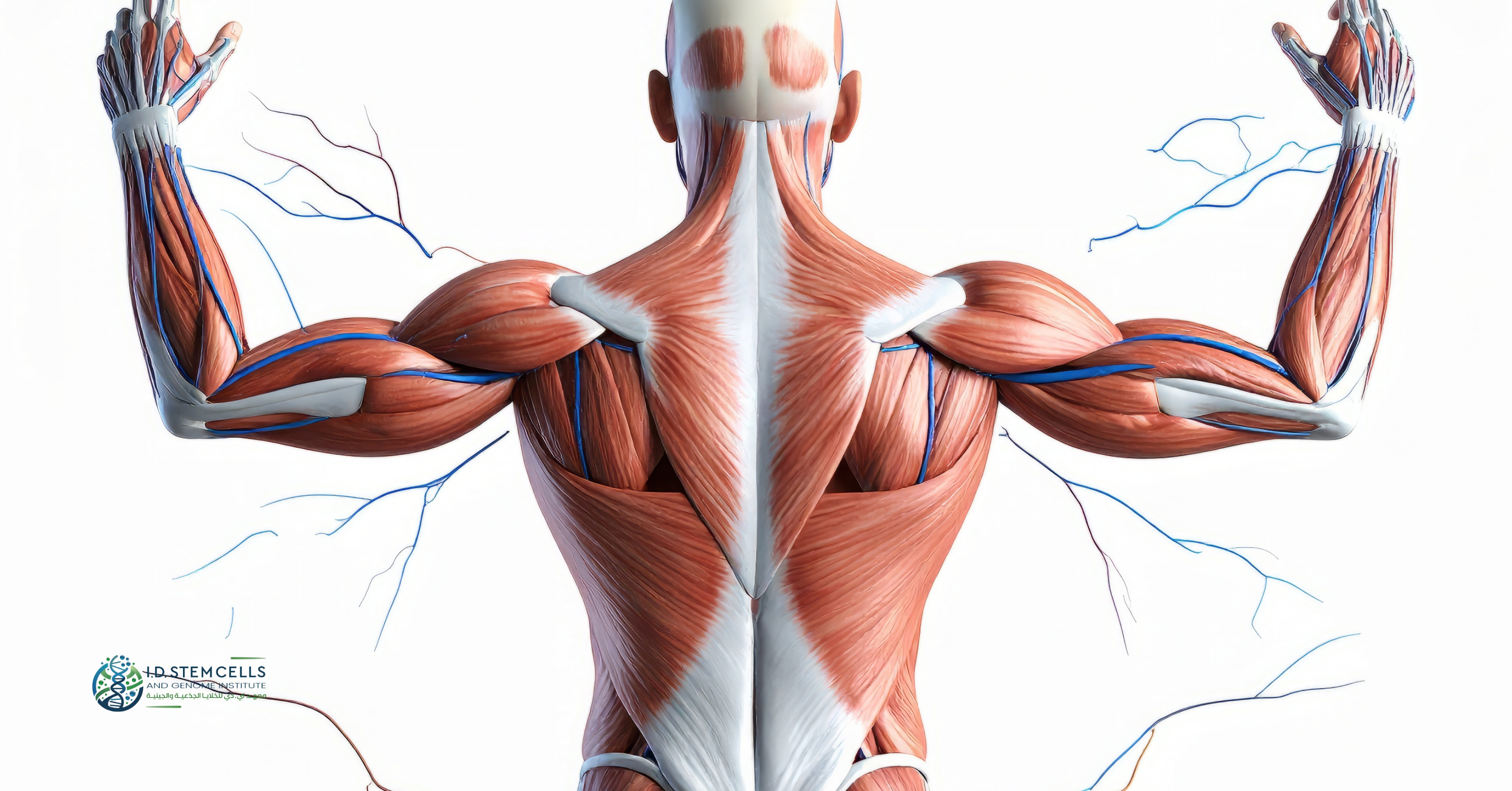
to regenerate skeletal muscle tissue and replenish the stem cell pool for future needs. Several transcription factors have been identified as key markers and regulators of quiescence, activation, and progression to the myogenic lineage. Among them, the homeobox factors PAX3 and PAX7, as well as the so-called muscle regulatory factors (MRFs) (MYF5, MYOD, MYOGENIN, MRF4), stand out for their unique and important roles in muscle formation, specification, homeostasis, and repair.
Regeneration of the MuSC cellular compartment requires a tightly regulated balance between quiescence and activation, which is associated with numerous transcriptional changes in MuSCs.
Activation is accompanied by metabolic reprogramming, strengthening the evidence for a strict interplay between MuSC function and metabolic state. Furthermore, recent studies demonstrate that multipotent stem cells (MSCs) are a heterogeneous population of stem cells, with different capabilities to support tissue regeneration. Dynamic changes in MuSC behavior are regulated by the microenvironment and by distinct resident tissue cells in the niche, which provide molecular cues to regulate MuSC fate.