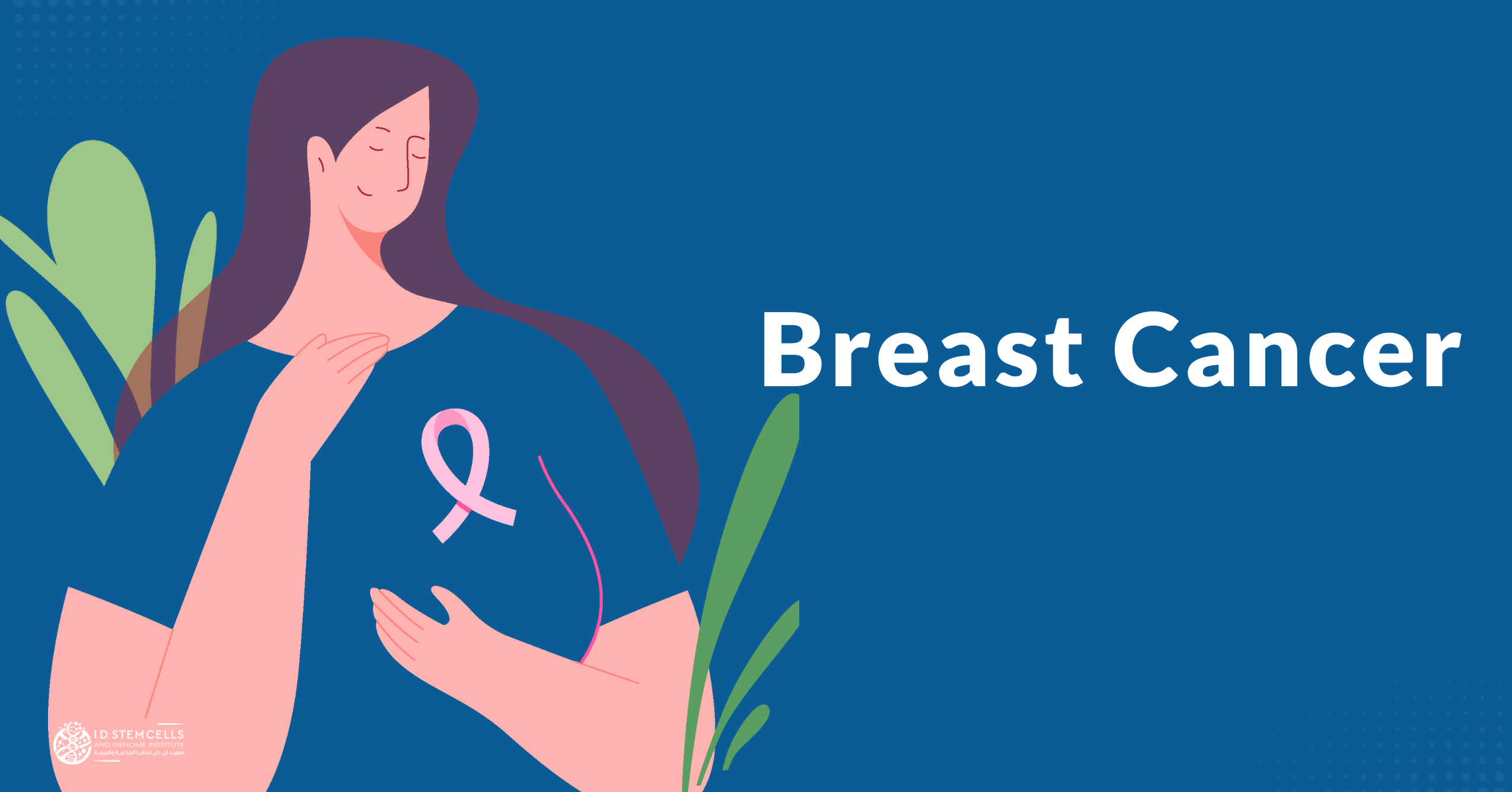
Breast cancer is the most common cancer among women worldwide and represents a major public health problem. This response aims to explore various aspects of breast cancer, including statistics, risk factors, prevention methods, early detection, and treatment.
It is estimated that in 2014, approximately 232,670 new cases of breast cancer were diagnosed in the United States. The risk of breast cancer increases with age.
Risk Factors for Breast Cancer:
There are multiple risk factors associated with breast cancer and can be divided into non-modifiable and modifiable factors:
Risk Factors for Breast Cancer:
There are multiple risk factors associated with breast cancer and can be divided into non-modifiable and modifiable factors:
Non-modifiable factors:
- Age: The risk increases with age.
- Family history: Having a family history of breast cancer increases the risk. Genetic factors contribute 5% to the risk.
- Genetic mutations: Mutations in certain genes, such as BRCA1 and BRCA2, play a role in increasing the risk.
Non-modifiable factors:
- Age: The risk increases with age.
- Family history: Having a family history of breast cancer increases the risk. Genetic factors contribute 5% to the risk.
- Genetic mutations: Mutations in certain genes, such as BRCA1 and BRCA2, play a role in increasing the risk.
Modifiable factors:
- Hormone therapy: Hormone therapy may increase the risk.
- Obesity: Obesity increases the risk of breast cancer.
- Lifestyle: Lifestyle habits play a role in increasing the risk.
- Radiation exposure: Radiation exposure increases the risk.
Modifiable factors:
- Hormone therapy: Hormone therapy may increase the risk.
- Obesity: Obesity increases the risk of breast cancer.
- Lifestyle: Lifestyle habits play a role in increasing the risk.
- Radiation exposure: Radiation exposure increases the risk.
Breast Cancer Prevention:
Breast cancer prevention strategies include identifying and modifying risk factors, as well as early detection through screening. Risk assessment tools can be used to estimate a woman's risk of developing breast cancer.
Breast Cancer Prevention:
Breast cancer prevention strategies include identifying and modifying risk factors, as well as early detection through screening. Risk assessment tools can be used to estimate a woman's risk of developing breast cancer.
- Early Detection: Early detection of breast cancer is crucial to improving the chances of treatment and cure. Early detection methods include:
- Breast Self-Examination: Breast self-examination is an effective way to detect any changes in the breast early.
- Clinical Breast Examination: A clinical breast examination should be performed regularly by a physician.
- Mammography: Mammography is one of the best methods for early detection of breast cancer. Breast cancer mortality rates have decreased by 40% in high-income countries since the 1980s due to the use of mammography.
Breast Cancer Treatment
There are multiple treatment options for breast cancer, including surgery, radiation therapy, chemotherapy, hormonal therapy, and targeted therapy. The choice of treatment depends on the type of cancer, its stage, and the patient's characteristics.
- Intraoperative Radiotherapy: Intraoperative radiotherapy can be used as an alternative to conventional radiotherapy after surgery in some cases.
- Hormone therapy: Hormone therapy may cause menopausal symptoms in breast cancer patients.
Breast Cancer Treatment
There are multiple treatment options for breast cancer, including surgery, radiation therapy, chemotherapy, hormonal therapy, and targeted therapy. The choice of treatment depends on the type of cancer, its stage, and the patient's characteristics.
- Intraoperative Radiotherapy: Intraoperative radiotherapy can be used as an alternative to conventional radiotherapy after surgery in some cases.
- Hormone therapy: Hormone therapy may cause menopausal symptoms in breast cancer patients.
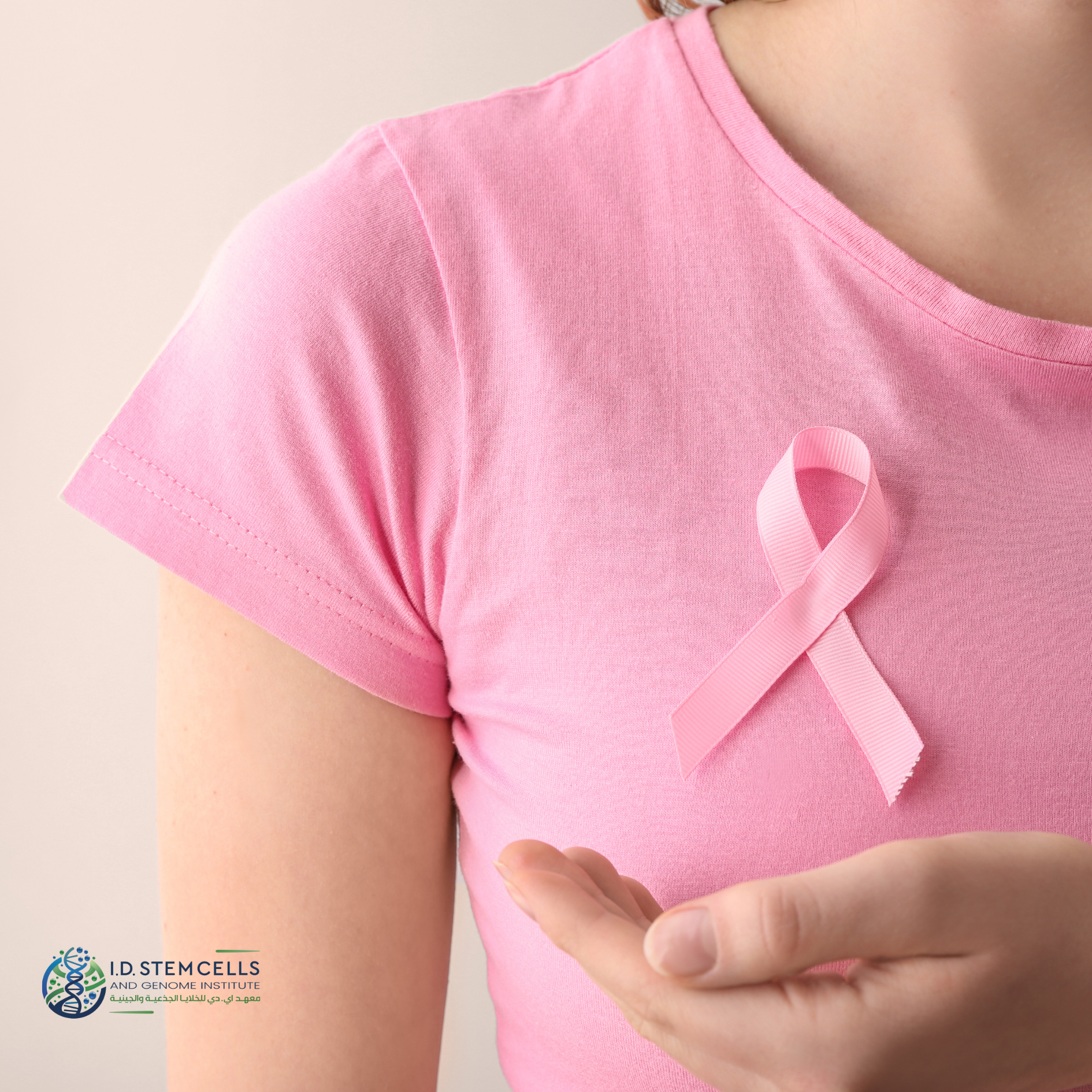
Breast cancer is a complex, multifactorial disease. Survival chances can be improved through early detection and appropriate treatment. Further research is needed to better understand the biology of breast cancer and develop more effective prevention and treatment strategies.
At the I.D. Stem Cells and Genome Institute, we keep up with the latest scientific developments in stem cell and gene therapy and regenerative medicine. If you are interested in learning more about the potential benefits of these treatments and the latest research findings, please feel free to contact us.