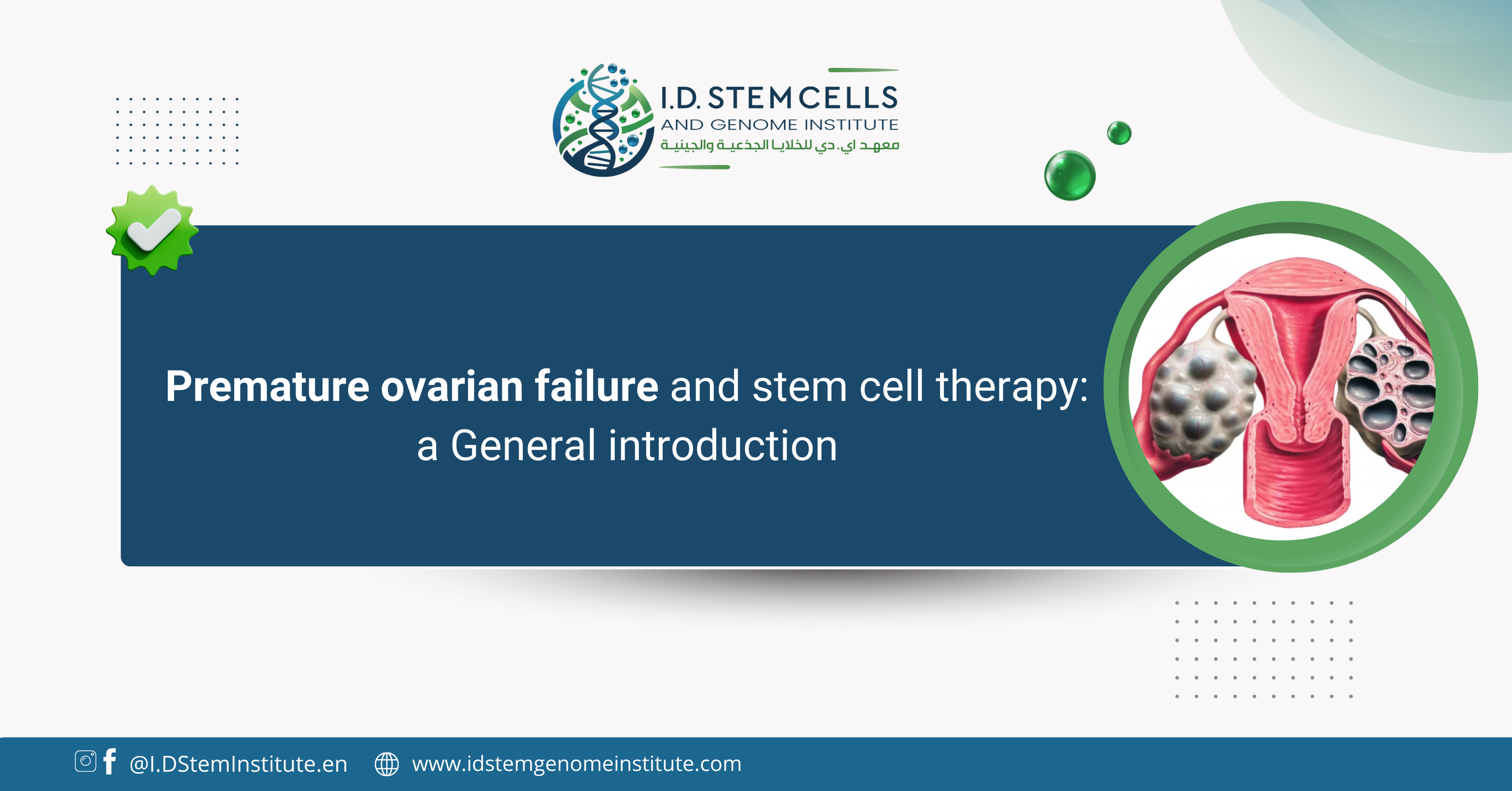
Ovarian hyperplasia is a multifactorial disorder affecting females under the age of 40 and is characterized by amenorrhea, ovarian hormone deficiency, increased gonadotropin levels, and infertility.
The developing follicles are usually absent; instead, the ovaries contain a network of connective tissue interspersed with fibroblasts. Furthermore, estrogen (E2) deficiency leads to atrophy of the mucous membrane lining the uterus and vagina.
The exact cause of ovarian hyperplasia remains unclear; however, it is associated with chemotherapy or radiation therapy, smoking, metabolic disorders (classical galactosemia), viral infections (HIV and mumps), autoimmune disorders, and genetic disorders (such as fragile X syndrome, Turner syndrome, and inhibin alpha gene disease) and no effective treatment has been reported so far.

Hormonal therapy can only provide temporary relief from estrogen deficiency. Alternatives such as egg donation are often intractable due to economic and ethical concerns.
Recently, stem cell transplantation has been recognized as an effective therapeutic tool to restore ovarian function. The idea of exploiting the therapeutic potential of stem cells in female mammals with POF is based on either generating new eggs from specialized germ cell stem cells or reducing the amount of apoptosis.
Stem cell transplantation enhances ovarian function in POF by reducing granulosa cell apoptosis while modulating cytokine expression.
The transplanted stem cells migrate to the site of follicular damage and initiate repair. The healthy ovarian function is reflected by higher levels of estrogen and improved follicular growth, with an increased number of follicles present in the periovarian area, ultimately leading to successful pregnancy.