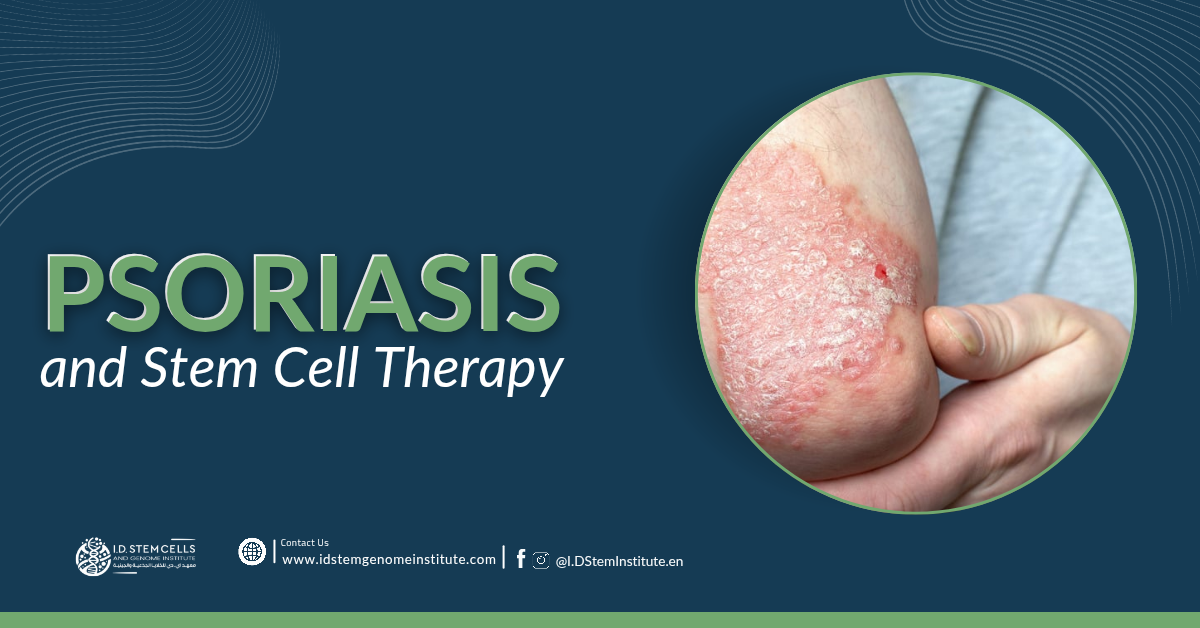
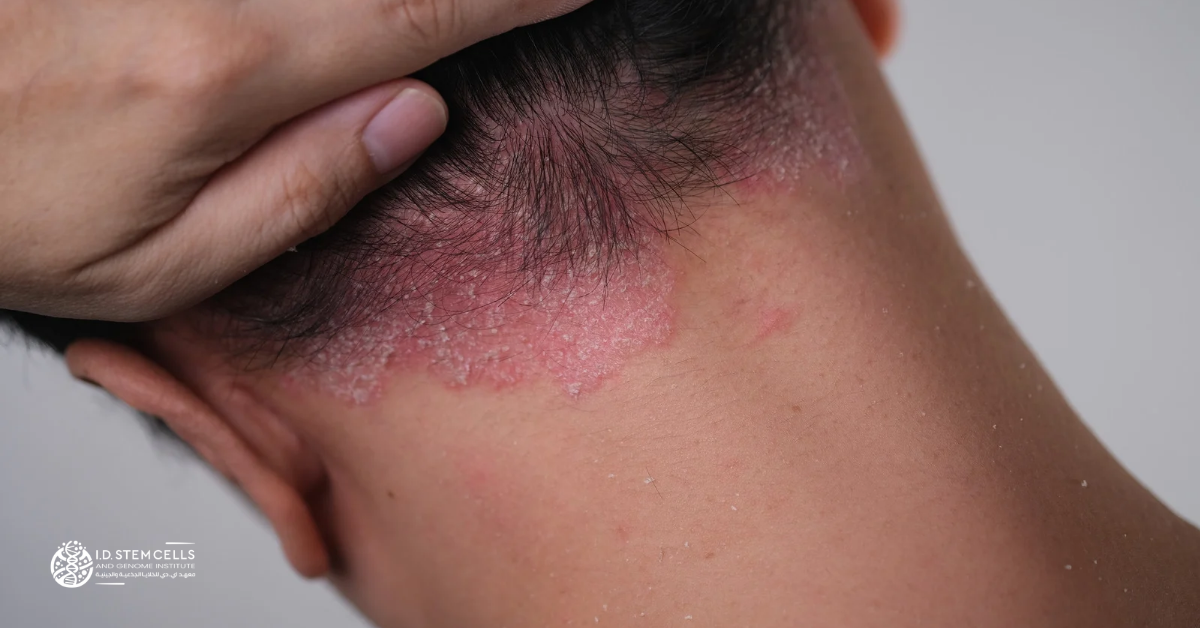
Psoriasis is one of the most clinically heterogeneous, immunologically mediated, lifelong inflammatory skin diseases. Psoriasis is characterized by hyperproliferation of keratinocytes and infiltration of T cells, dendritic cells (DCs), macrophages, and neutrophils.
The causes of psoriasis are not yet clear, but genetic, immunological, and environmental factors appear to play a role. Approximately 125 million people worldwide suffer from psoriasis, and 30 percent of those with psoriasis experience joint problems in addition to skin symptoms. Psoriasis is one of the most clinically heterogeneous, immunologically
Lorem ipsum dolor sit amet, consectetur adipiscing elit. Integer adipiscing erat eget risus sollicitudin pellentesque et non erat. Maecenas nibh dolor, malesuada et bibendum a, sagittis accumsan ipsum. Pellentesque ultrices ultrices sapien, nec tincidunt nunc posuere ut. Lorem ipsum dolor sit amet, consectetur adipiscing elit. Nam scelerisque tristique dolor vitae tincidunt. Aenean quis massa uada mi elementum elementum. Nec sapien convallis vulputate rhoncus vel dui.
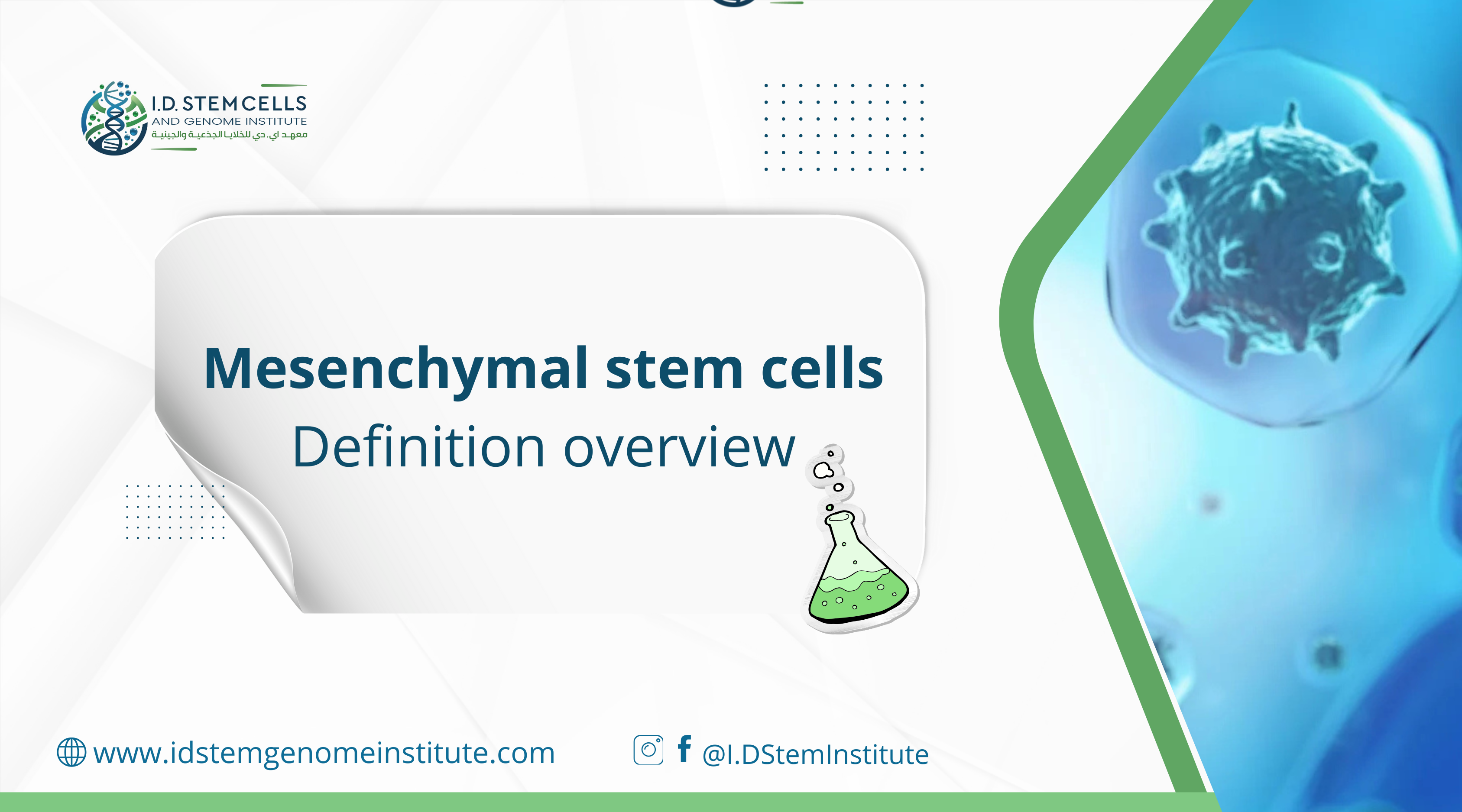
Mesenchymal stem cells (MSCs) are differentiated multilineage stromal cells (adipocytes, osteocytes, chondrocytes) with the capacity for self-renewal. MSCs have broad immunomodulatory and anti-inflammatory capabilities. MSCs can be isolated from many tissues, including umbilical cord, endometrial polyps, menstrual blood, bone marrow, adipose tissue, and more. MSCs are currently the most common cell type in regenerative medicine. Numerous studies have demonstrated the potential benefits of MSC-based therapies for treating various diseases, such as bone and cartilage diseases, ischemic heart disease, diabetes, and neurological disorders.
In addition to the numerous advantages and benefits, there are several issues that limit the widespread use of cancer stem cell therapy in clinical practice. These include the risk of tumorigenesis and transmission of viruses and prions after stem cell transplantation; the fact that long-term culture of cancer stem cells in the laboratory leads to loss of the cancer stem cells' differentiation potential and morphological changes, increasing the likelihood of malignant transformation; low survival and engraftment rates of MSCs due to their short-term viability after injection; low therapeutic efficacy and increased immunogenicity of differentiated cancer stem cells; heterogeneity of MSCs due to differences in the health status, genetics, gender, and age of donors; varying degrees of stem cell stability and differentiation capacity among cancer stem cells isolated from different sources; varying levels of expansion capacity under different culture conditions; immunocompatibility between donors and recipients; and ethical issues. Due to the high manufacturing costs, long-term research and monitoring are needed to examine the long-term effects of MSC therapy, including any adverse effects.