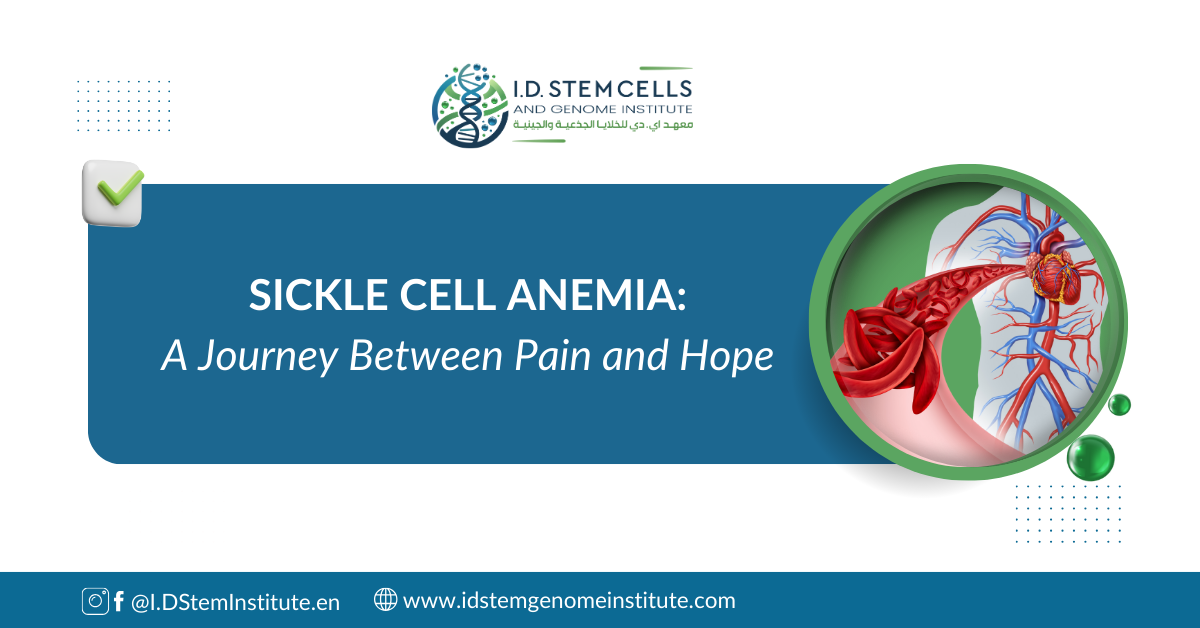
Sickle cell anemia is an autosomal recessive genetic disease caused by a mutation in the HBB gene, which is responsible for manufacturing the beta chain of hemoglobin (the oxygen-carrying protein in the blood). The mutation causes the substitution of glutamic acid for valine at position 6 of the chain, producing abnormal hemoglobin (HbS) instead of normal hemoglobin (HbA).
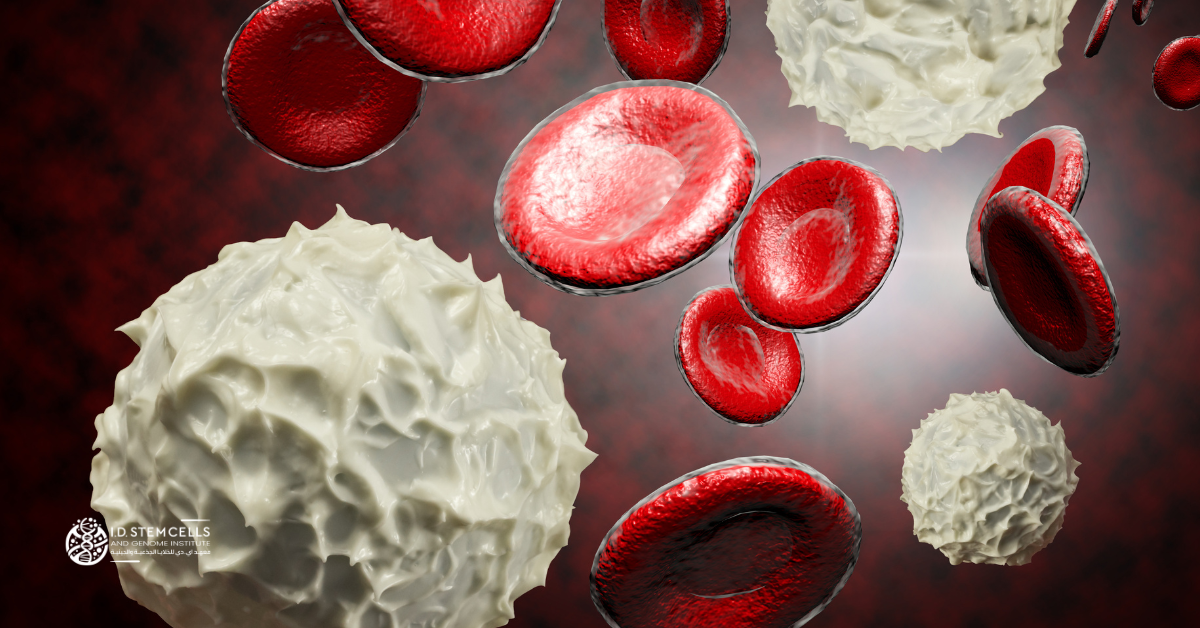
When oxygen is deprived, hemoglobin S aggregates into long polymers, stretching the red blood cell membrane and distorting it into a sickle shape. These cells lose their elasticity, break easily (hemolysis), and stick to the walls of blood vessels, causing a blockage known as a vaso-occlusive crisis, which triggers a series of inflammatory reactions and pain.
Pathophysiology:
1. Structural deformity: Sickle cells are fragile and have a short lifespan (10-20 days instead of 120 days), leading to chronic hemolytic anemia.
2. Vascular occlusion: Sickle cells block capillaries, reducing blood flow to organs, causing tissue necrosis and acute pain attacks.ldren.
Pathophysiology:
1. Structural deformity: Sickle cells are fragile and have a short lifespan (10-20 days instead of 120 days), leading to chronic hemolytic anemia.
2. Vascular occlusion: Sickle cells block capillaries, reducing blood flow to organs, causing tissue necrosis and acute pain attacks.
3. Chronic inflammation: The release of heme and free iron during hemolysis activates inflammatory pathways that contribute to long-term organ damage.
Clinical manifestations: More than just pain
- Painful crises: The most common symptom, resulting from occlusion of blood vessels in the bones (hip, back), chest (acute chest syndrome), or brain (stroke).
- Organ disorders:
- Spleen: Enlargement followed by atrophy (auto-splenectomy) due to repeated infarctions, increasing the risk of infection with encapsulated bacteria such as pneumococcus.
- Kidneys: Hematuria, renal failure.
- Eye: Retinopathy.
- Chronic complications: Pulmonary hypertension, osteoporosis, growth retardation in children.
3. Chronic inflammation: The release of heme and free iron during hemolysis activates inflammatory pathways that contribute to long-term organ damage.
Clinical manifestations: More than just pain
- Painful crises: The most common symptom, resulting from occlusion of blood vessels in the bones (hip, back), chest (acute chest syndrome), or brain (stroke).
- Organ disorders:
- Spleen: Enlargement followed by atrophy (auto-splenectomy) due to repeated infarctions, increasing the risk of infection with encapsulated bacteria such as pneumococcus.
- Kidneys: Hematuria, renal failure.
- Eye: Retinopathy.
- Chronic complications: Pulmonary hypertension, osteoporosis, growth retardation in children.
Diagnosis:
Microscopic and genetic
- Blood test: shows anemia (hemoglobin 6-8 g/dL), with sickle cells under the microscope.
- Hemoglobin electrophoresis: reveals the presence of HbS in >50% of homozygotes (SS).
- Genetic testing: confirms the HbS gene mutation, especially in early diagnosis of fetuses or newborns.
Diagnosis:
Microscopic and genetic
- Blood test: shows anemia (hemoglobin 6-8 g/dL), with sickle cells under the microscope.
- Hemoglobin electrophoresis: reveals the presence of HbS in >50% of homozygotes (SS).
- Genetic testing: confirms the HbS gene mutation, especially in early diagnosis of fetuses or newborns.
Therapeutic management: between remission and recovery
1. Crisis prevention:
- Hydroxyurea: increases the production of fetal hemoglobin (HbF), which prevents the formation of HbS polymers.
- Vaccines and antibiotics: to prevent infection (e.g., prophylactic penicillin for children).
2. Acute crisis treatment:
- Strong pain relievers (morphine), oxygen, intravenous fluids.
- Blood transfusion in cases of severe anemia or stroke.
3. Disease-modifying therapies:
- Bone marrow transplantation: The only curative treatment, but it is risky and relies on the presence of a matched donor.
- Gene therapies: such as CRISPR-Cas9 to correct the HbS mutation, or HbF-stimulating drugs (such as Voxelotor).
Therapeutic management: between remission and recovery
1. Crisis prevention:
- Hydroxyurea: increases the production of fetal hemoglobin (HbF), which prevents the formation of HbS polymers.
- Vaccines and antibiotics: to prevent infection (e.g., prophylactic penicillin for children).
2. Acute crisis treatment:
- Strong pain relievers (morphine), oxygen, intravenous fluids.
- Blood transfusion in cases of severe anemia or stroke.
3. Disease-modifying therapies:
- Bone marrow transplantation: The only curative treatment, but it is risky and relies on the presence of a matched donor.
- Gene therapies: such as CRISPR-Cas9 to correct the HbS mutation, or HbF-stimulating drugs (such as Voxelotor).
Future research:
A ray of light
- Genome editing: Clinical trials of technologies such as Lovo-cel (gene therapy using a viral vector) are showing promising results in normal hemoglobin expression.
- Polymerase inhibitors: Drugs that prevent the formation of HbS polymers, such as Voxelotor, which recently received FDA approval. Sickle cell anemia is not just a blood disorder; it is a daily challenge that reshapes the lives of patients and their families. While medical science is providing radical solutions, prevention through premarital genetic screening, early detection, and improved access to care in developing countries (where the disease is prevalent) remain crucial elements in this fight. Every sickle cell reminds us that the hope of science is not a fantasy, but a reality built through concerted efforts.
Future research:
A ray of light
- Genome editing: Clinical trials of technologies such as Lovo-cel (gene therapy using a viral vector) are showing promising results in normal hemoglobin expression.
- Polymerase inhibitors: Drugs that prevent the formation of HbS polymers, such as Voxelotor, which recently received FDA approval.
Sickle cell anemia is not just a blood disorder; it is a daily challenge that reshapes the lives of patients and their families. While medical science is providing radical solutions, prevention through premarital genetic screening, early detection, and improved access to care in developing countries (where the disease is prevalent) remain crucial elements in this fight. Every sickle cell reminds us that the hope of science is not a fantasy, but a reality built through concerted efforts.