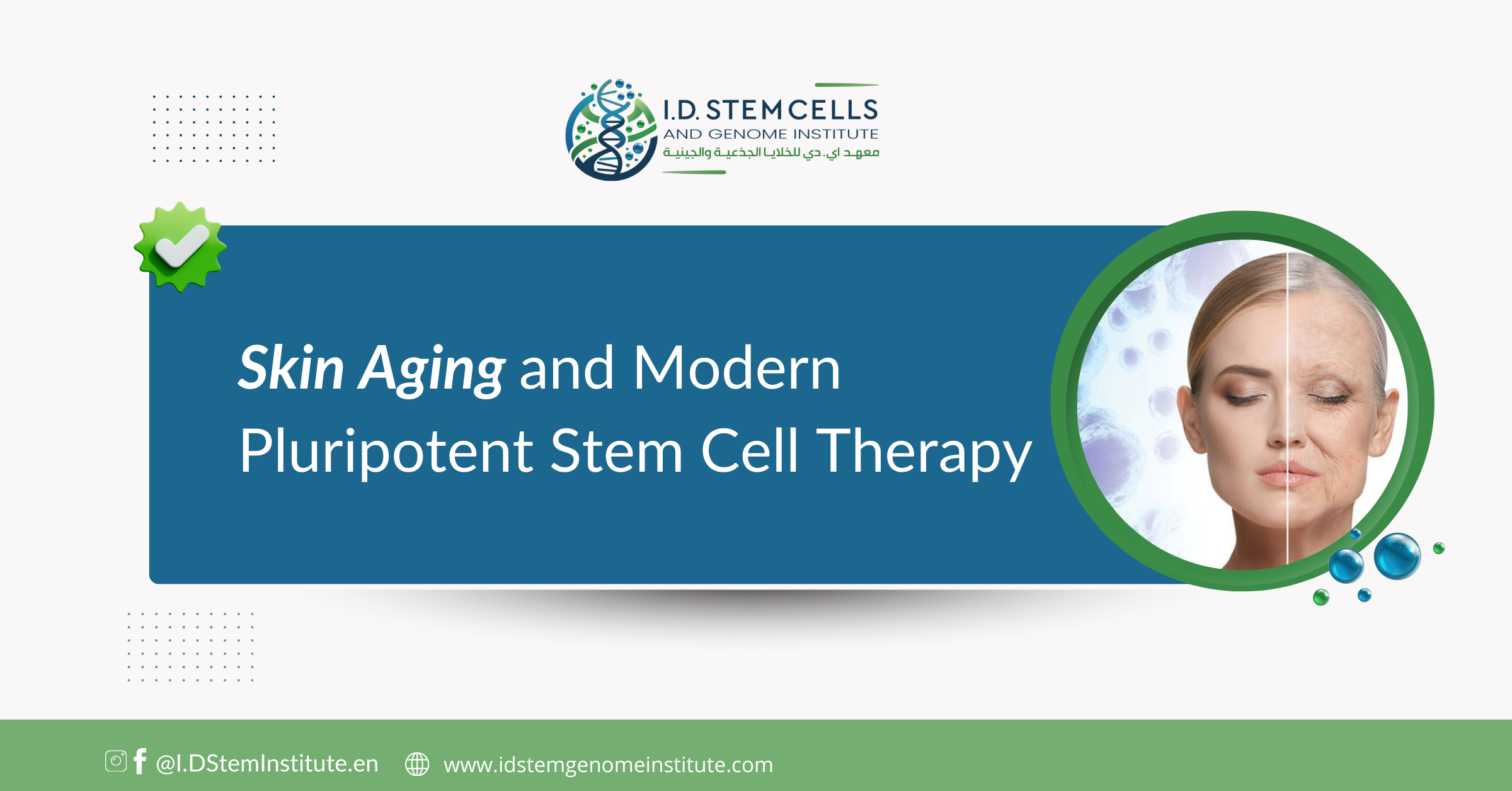
Aging skin is closely associated with an undesirable aesthetic appearance, caused by loss of function and structural degeneration of the skin. This can lead to more serious complications, including increased susceptibility to diseases such as eczema, dermatitis, autoimmune disorders, and skin cancer. Additionally, aging skin exhibits increased oxidative activity and increased production of matrix metalloproteases (MMPs), which are typically involved in matrix degradation. Furthermore, exposure to ultraviolet radiation is known to promote premature skin aging, i.e., photoaging. Therefore, rejuvenation treatments that focus on preventing and reversing skin aging are in high demand in our society, which increasingly aims to maintain a youthful appearance and improve their health.
Multipotent stem cells (AD-MSCs) have gained interest in the treatment of aging skin due to their ability to re-epithelialize and secrete numerous growth factors necessary for skin regeneration. In recent years, studies have demonstrated histological and structural alterations in aging facial skin following injection of expanded AD-MSCs, harvested from liposuctioned fat. AD-MSC treatment results in an increase in elastic fibers in the superficial layer of the dermis and a modification of collagen networks and reticular fibers, which become more ordered.
Later, it was observed that AD-MSCs stimulate the complete regeneration of solar elasticity in aging skin.
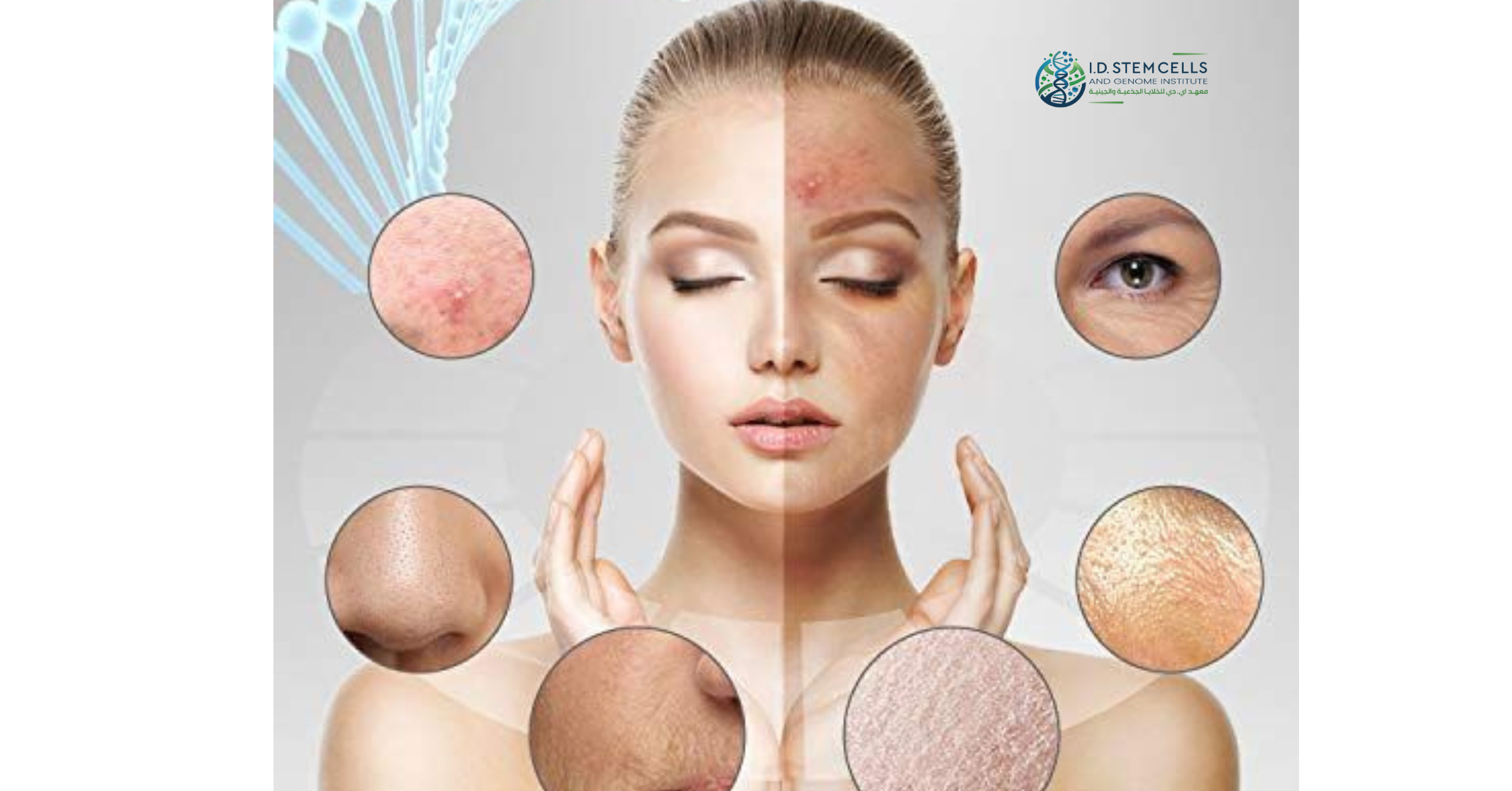
Transplantation of adult pluripotent stem cells (AD-MSCs) leads to complete regeneration of the skin's elastic matrix components, including fibrous networks of oxytalan, elastin, and elastin. In sun-aged skin, the normal elastin matrix is typically lost, and AD-MSC-mediated treatment successfully reversed the inhibition of progenitor molecules involved in new elastin formation.
This was observed through their high immunoreactivity, indicating increased new elastin formation. Furthermore, abnormal elastic elastin deposits in the deeper dermal layers were degraded and replaced by normally polymerized elastic fiber networks. This is hypothesized to result from the activation of cathepsin K, which allows for repair and hyperplasia after sun exposure.