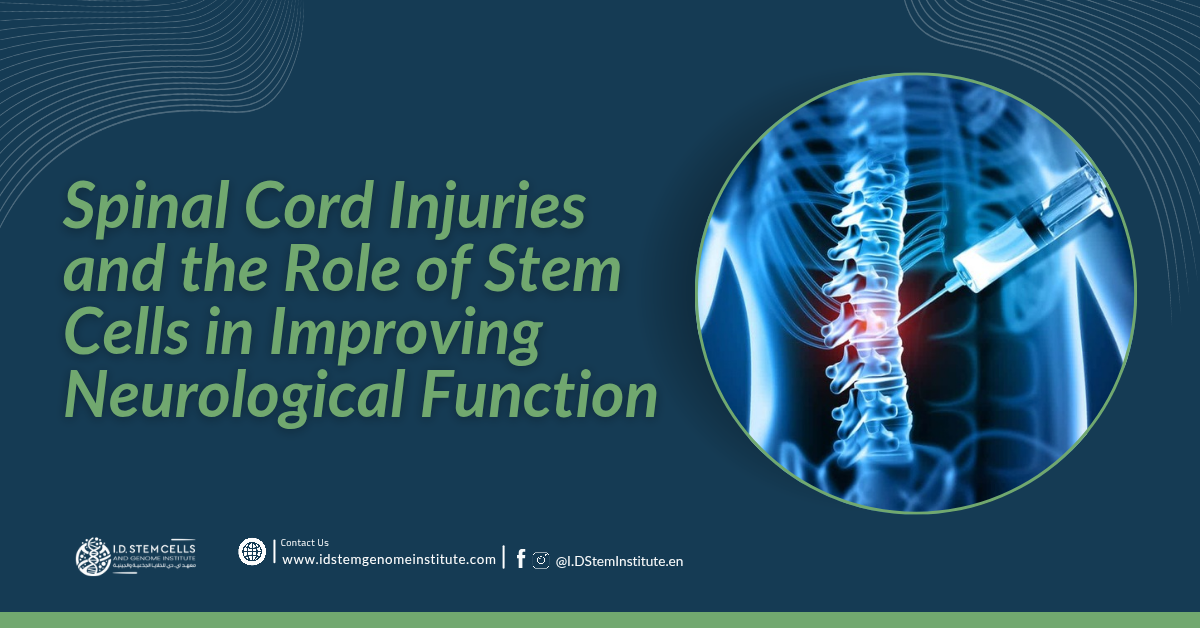
Spinal cord injuries are among the most serious neurological injuries, leading to partial or complete paralysis and devastating effects on a patient's quality of life. These injuries typically result from traffic accidents, falls from heights, or sports injuries, causing damage to the nerve tissue in the spinal cord and disrupting the transmission of signals between the brain and the lower body.
The injury to the spinal cord doesn't end at the moment of the accident; it is followed by a series of secondary events such as inflammation, swelling, impaired blood supply, and the formation of scar tissue that hinders nerve reconnection. For this reason, even with the best conventional treatments, complete recovery remains a significant challenge, and patients usually require long-term medication and rehabilitation. Traditional treatment for spinal cord injuries typically relies on surgical stabilization, physical therapy, and rehabilitation, but it often fails to fully restore lost neurological functions and repair the nerve damage within the spinal cord. This is where stem cell therapy comes in, representing one of the most promising approaches in spinal cord rehabilitation and supporting neurological recovery.
How do stem cells work in spinal cord repair?
Stem cells have a unique ability to differentiate into various cell types, including neurons and glial cells. When the spinal cord is injured, direct damage to neurons and nerve fibers may occur, along with a complex inflammatory response that can further exacerbate the damage.
How do stem cells work in spinal cord repair?
Stem cells have a unique ability to differentiate into various cell types, including neurons and glial cells. When the spinal cord is injured, direct damage to neurons and nerve fibers may occur, along with a complex inflammatory response that can further exacerbate the damage. Neurons, the building blocks of the central nervous system, do not readily regenerate after injury. Research has shown that transplanting stem cells to the injury site can replace damaged neurons, promote the growth of new nerve fibers, improve the environment surrounding the injury by reducing inflammation and oxidative stress, and support the formation of new neural connections. It has also suggested the potential for combining stem cells with tissue engineering techniques to enhance the chances of neurological repair. Early clinical studies have shown mixed results, with some patients exhibiting improved sensory or motor functions after stem cell therapy, while the results remain inconclusive in other cases. More recent studies indicate that exosomes secreted by stem cells may contribute to reducing inflammation, supporting nerve tissue repair, and stimulating nerve fiber regeneration after spinal cord injuries. This approach may offer a promising therapeutic alternative based on the effects of stem cells without the need for transplantation.
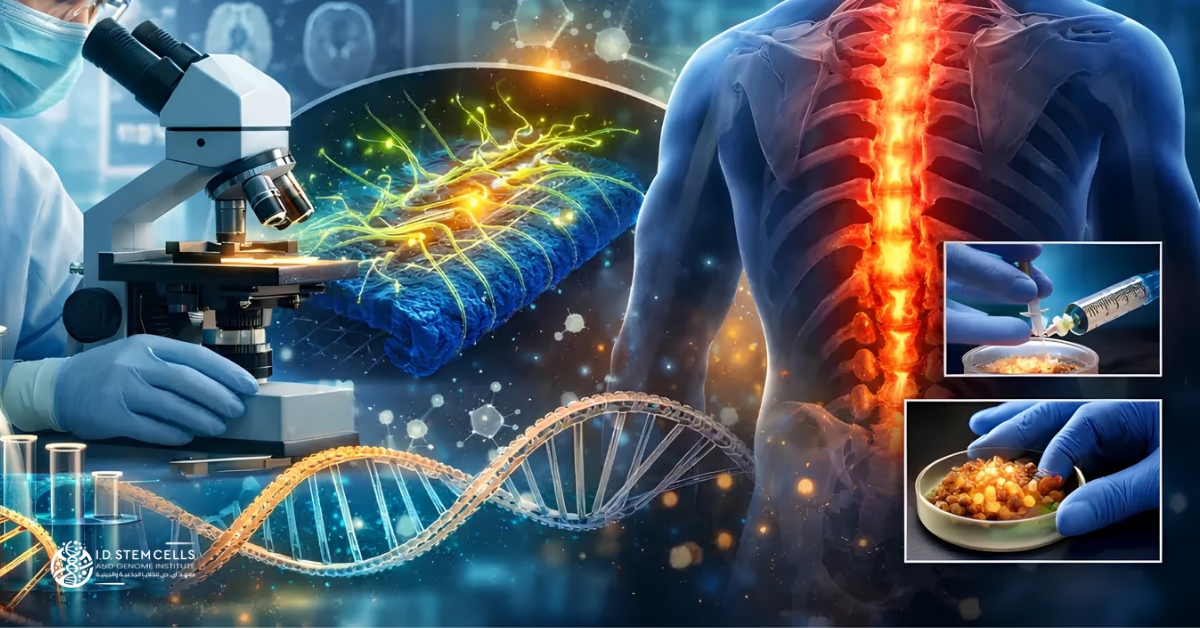
Neurons, the building blocks of the central nervous system, do not readily regenerate after injury. Research has shown that transplanting stem cells to the injury site can replace damaged neurons, promote the growth of new nerve fibers, improve the environment surrounding the injury by reducing inflammation and oxidative stress, and support the formation of new neural connections. It has also suggested the potential for combining stem cells with tissue engineering techniques to enhance the chances of neurological repair. Early clinical studies have shown mixed results, with some patients exhibiting improved sensory or motor functions after stem cell therapy, while the results remain inconclusive in other cases. More recent studies indicate that exosomes secreted by stem cells may contribute to reducing inflammation, supporting nerve tissue repair, and stimulating nerve fiber regeneration after spinal cord injuries. This approach may offer a promising therapeutic alternative based on the effects of stem cells without the need for transplantation.
Combining Cell Therapy with Neurorehabilitation Programs
Neurorehabilitation and physical therapy remain essential components of the treatment plan for spinal cord injuries, aiming to improve functional performance and reduce complications associated with limited mobility. Reports indicate that combining intensive rehabilitation with stem cell intervention may yield better results than neurorehabilitation programs alone. Researchers also emphasize that the timing of the intervention, the severity of the injury, the type of stem cells used, and the neurorehabilitation program itself are all factors that can influence the final outcomes of stem cell treatment for spinal cord injuries.
At the I.D. Stem Cells and Genome Institute, we keep abreast of the latest scientific developments in the field of stem cell and gene therapy and regenerative medicine. If you are interested in learning more about the potential benefits of these treatments and the latest research findings, please feel free to contact us.
Combining Cell Therapy with Neurorehabilitation Programs
Neurorehabilitation and physical therapy remain essential components of the treatment plan for spinal cord injuries, aiming to improve functional performance and reduce complications associated with limited mobility. Reports indicate that combining intensive rehabilitation with stem cell intervention may yield better results than neurorehabilitation programs alone. Researchers also emphasize that the timing of the intervention, the severity of the injury, the type of stem cells used, and the neurorehabilitation program itself are all factors that can influence the final outcomes of stem cell treatment for spinal cord injuries.
At the I.D. Stem Cells and Genome Institute, we keep abreast of the latest scientific developments in the field of stem cell and gene therapy and regenerative medicine. If you are interested in learning more about the potential benefits of these treatments and the latest research findings, please feel free to contact us.