Stem cell-based therapy, as a modality of regenerative medicine, has generated tremendous attention, as it offers new options for patients suffering from previously incurable diseases.
Subsequently, thousands of related clinical trials have been registered, covering a wide spectrum of medical problems, such as musculoskeletal and neurological disorders, immune diseases, hematological dysfunctions, and degenerative conditions.7 However, some trials have failed to show any benefit in the clinic. This is likely due to the inevitable limitations of stem cell therapy, such as infusion toxicity, immunogenicity, tumorigenic potentials and ethical issues
. Exosome, secreted by almost all cell types including stem cells has been posited as a safer and more versatile alternative to stem cell therapy
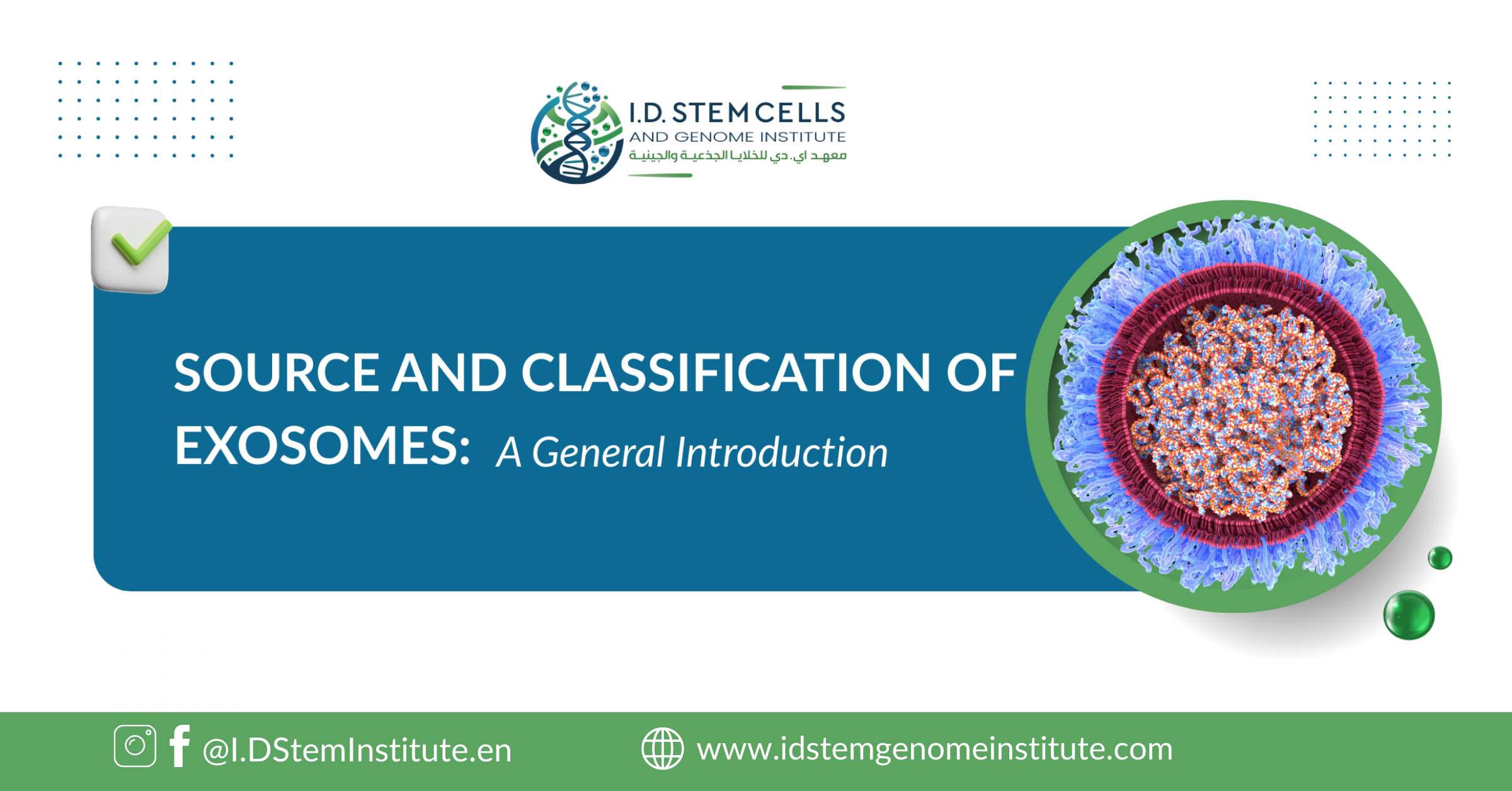
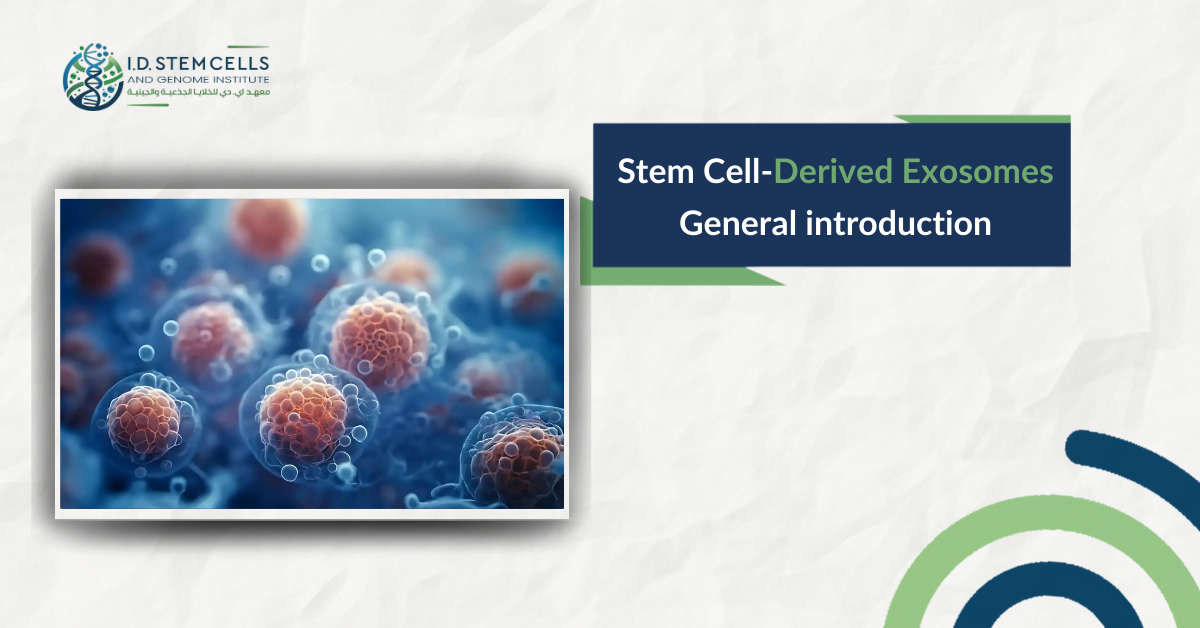
Exosomes are nanoscale, spherical, and lipid bi-layered single membrane extracellular vesicles, which act as intercellular messengers.10 Exosomes have been regarded as miniature versions of their parental cells, partially because exosomes from a certain cell type provide cell-specific or unique sets of biomolecules. In addition, the stem cells have been found to function in a paracrine fashion through their soluble secretome including exosomes.11 In other words, stem cell-derived exosomes (SC-Exo) inherit similar therapeutic effects from their parental cell of originanti-inflammation, immunomodulation and tissue regeneration.
Collectively, stem cell-derived exosomes are a potent surrogate for stem cell therapy without exhibiting the disadvantages their cellular counterparts present