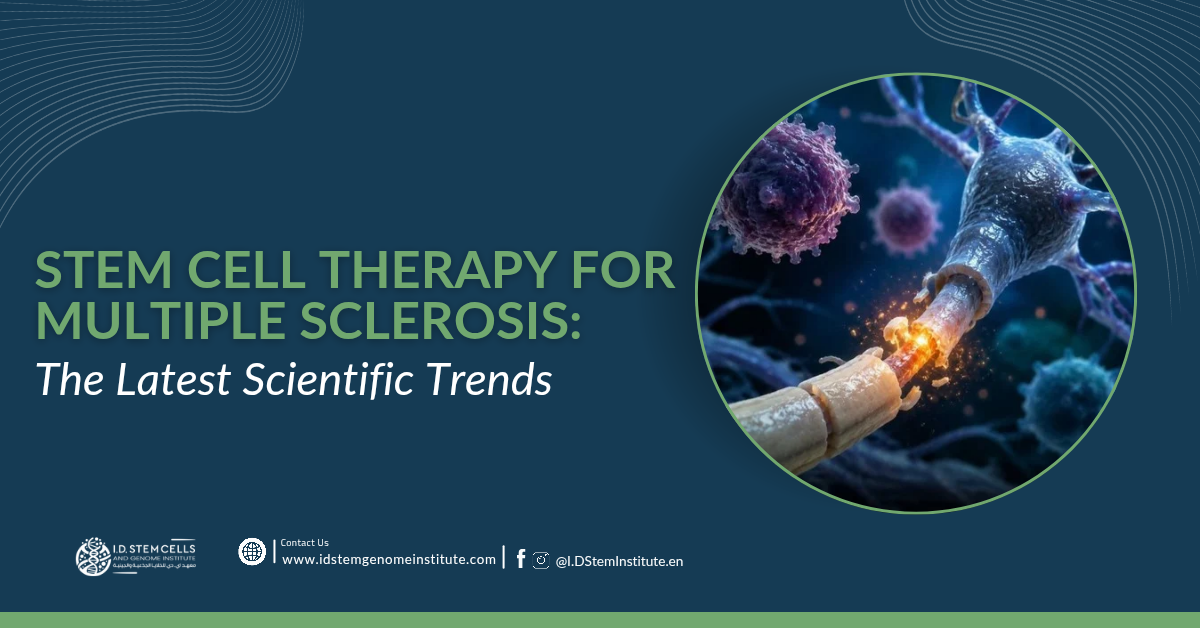
Multiple sclerosis (MS) is a chronic neurological disease that affects the central nervous system. In MS, the immune system attacks the protective sheath of nerve fibers in the brain and spinal cord, known as myelin. This leads to varying degrees of neurological disorders affecting movement, vision, balance, sensation, and memory.
The core problem with MS lies in the gradual damage to nerve fibers themselves over time, which can impair the nervous system's ability to transmit nerve signals between the brain and the body. While immunotherapies have advanced in recent years, and supportive medications exist that can reduce relapses and slow disease progression in many patients, they do not offer a complete cure or adequately repair the nerve damage.
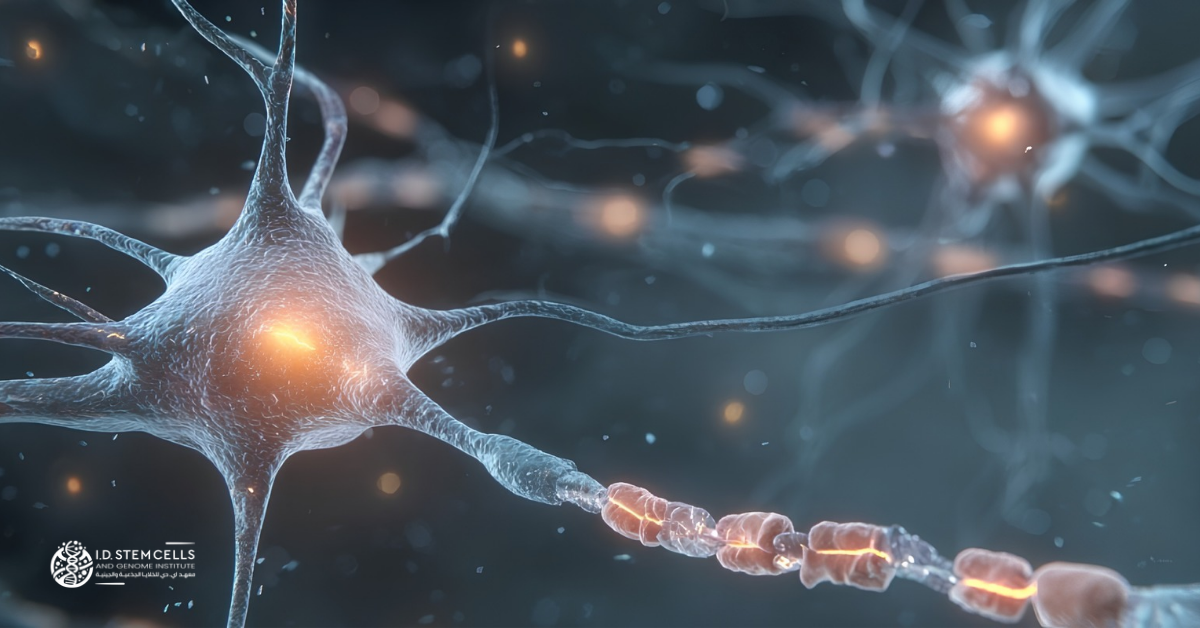
Repairing this nerve damage remains one of the biggest research challenges. Scientific research continues to find therapies that support the repair and regeneration of damaged nerve tissue in MS. Here, stem cell therapy emerges as one of the promising directions in modern regenerative medicine. Stem Cells in Multiple Sclerosis. Stem cells possess unique immunomodulatory and regenerative properties, including their ability to regulate the immune response (immunomodulation) and reset the immune system. This reduces the severity of the immune attack on the nervous system, particularly in autoimmune diseases like multiple sclerosis. Stem cells also secrete several beneficial factors that reduce neuroinflammation, support the neuronal environment, and stimulate the repair and regeneration of the myelin sheath surrounding nerves, protecting them from further damage. All these properties of stem cells may target the underlying disease mechanisms in multiple sclerosis, making them a promising therapeutic tool.
Types of Stem Cells Used in Multiple Sclerosis:
Hematopoietic stem cell transplantation (HSCT) is one of the most studied clinical applications in some active cases of multiple sclerosis, especially in patients who do not respond to conventional treatments. Scientific studies indicate that HSCT may help reduce disease activity and the number of relapses in carefully selected patients. Autologous hematopoietic stem cells (aHSCT) are collected from the patient themselves. Intensive therapeutic doses are then used to suppress the immune system, after which the stem cells are reintroduced to the body to create an immune system less prone to attacking nerves. Currently, further research is being conducted on mesenchymal stem cells (MSCs) and neural stem cells to study their role in reducing inflammation and improving the neural environment within the brain and spinal cord. Preliminary results suggest that these cells may possess promising immunomodulatory and regenerative properties for treating multiple sclerosis.
Types of Stem Cells Used in Multiple Sclerosis:
Hematopoietic stem cell transplantation (HSCT) is one of the most studied clinical applications in some active cases of multiple sclerosis, especially in patients who do not respond to conventional treatments. Scientific studies indicate that HSCT may help reduce disease activity and the number of relapses in carefully selected patients. Autologous hematopoietic stem cells (aHSCT) are collected from the patient themselves. Intensive therapeutic doses are then used to suppress the immune system, after which the stem cells are reintroduced to the body to create an immune system less prone to attacking nerves. Currently, further research is being conducted on mesenchymal stem cells (MSCs) and neural stem cells to study their role in reducing inflammation and improving the neural environment within the brain and spinal cord. Preliminary results suggest that these cells may possess promising immunomodulatory and regenerative properties for treating multiple sclerosis.
Is stem cell therapy suitable for all patients with multiple sclerosis?
Stem cell therapy is not used for all patients with multiple sclerosis. It is typically considered for patients with clear inflammatory disease activity, such as recurrent attacks, the appearance of new lesions on MRI, or a rapid increase in disability despite appropriate drug therapy. Therefore, patients should be carefully evaluated at specialized centers experienced in stem cell therapy. Recent clinical trials have shown that stem cell transplantation has helped reduce multiple sclerosis (MS) activity, decrease the number of relapses, improve certain disability indicators, and reduce the size of brain lesions on MRI in some patients. Early trials of injecting neural stem cells into the central nervous system have also shown promising preliminary results in terms of safety and suggest potential benefit in progressive MS. Stem cell therapy is expected to become an important part of treatment protocols for MS patients, particularly in stages where the focus should be on protecting nerves and improving quality of life.
At the I.D. Stem Cells and Genome Institute, we keep abreast of the latest scientific developments in the field of stem cell and gene therapy and regenerative medicine. If you are interested in learning more about the potential benefits of these treatments and the latest research findings, please feel free to contact us.
Is stem cell therapy suitable for all patients with multiple sclerosis?
Stem cell therapy is not used for all patients with multiple sclerosis. It is typically considered for patients with clear inflammatory disease activity, such as recurrent attacks, the appearance of new lesions on MRI, or a rapid increase in disability despite appropriate drug therapy. Therefore, patients should be carefully evaluated at specialized centers experienced in stem cell therapy. Recent clinical trials have shown that stem cell transplantation has helped reduce multiple sclerosis (MS) activity, decrease the number of relapses, improve certain disability indicators, and reduce the size of brain lesions on MRI in some patients. Early trials of injecting neural stem cells into the central nervous system have also shown promising preliminary results in terms of safety and suggest potential benefit in progressive MS. Stem cell therapy is expected to become an important part of treatment protocols for MS patients, particularly in stages where the focus should be on protecting nerves and improving quality of life.
At the I.D. Stem Cells and Genome Institute, we keep abreast of the latest scientific developments in the field of stem cell and gene therapy and regenerative medicine. If you are interested in learning more about the potential benefits of these treatments and the latest research findings, please feel free to contact us.