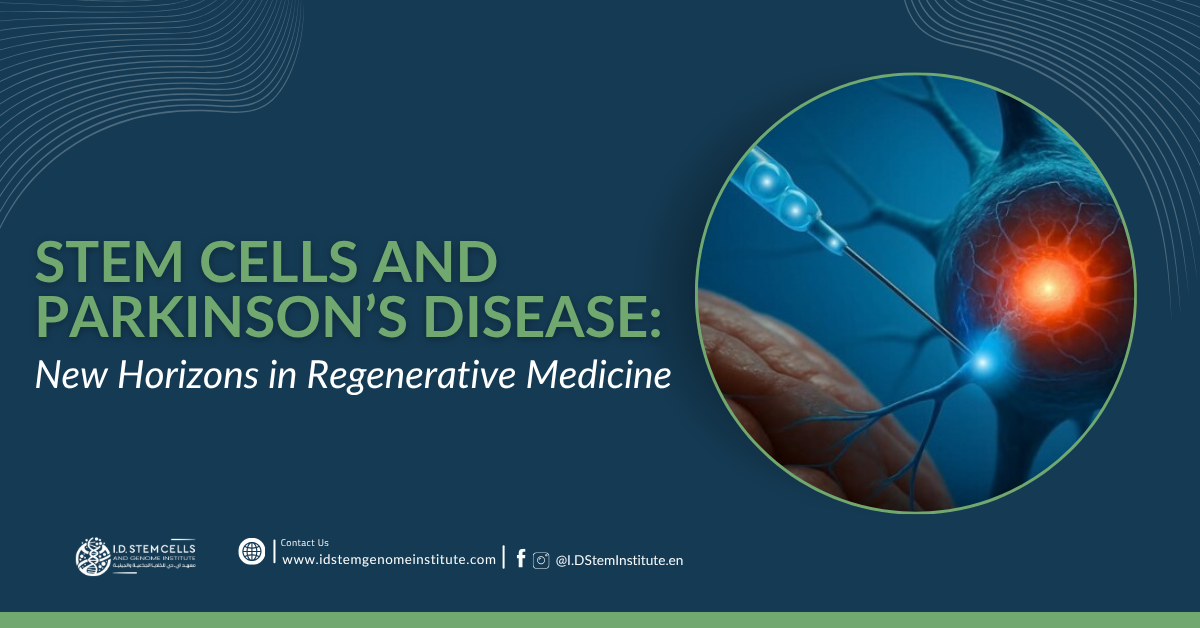
Parkinson’s disease is a chronic, progressive disorder of the central nervous system characterized by the gradual loss of dopamine-producing neurons in the substantia nigra of the brain. This gradual cell loss leads to characteristic motor symptoms such as tremors, slowness of movement, muscle rigidity, and impaired balance, along with non-motor symptoms that can profoundly impact quality of life.
Despite ongoing advancements in pharmacological and surgical treatments, these options do not halt the disease itself but often focus on managing symptoms. This is where stem cell therapy has emerged as one of the most promising avenues in regenerative medicine for Parkinson’s disease. This therapy not only aims to restore function but also seeks to replace some of the lost neurons or support the damaged neural environment. Recent findings in preclinical studies and early clinical trials have prompted the scientific community to seriously consider this therapeutic approach.
How do stem cells work in Parkinson’s disease?
In Parkinson's disease, the loss of nerve cells gradually increases over time. Because brain cells have a limited capacity to naturally replace damaged nerve cells, recent research has sought regenerative therapies, such as stem cell therapy, to help:
Protect remaining nerve cells.
Reduce neuroinflammation.
Support dopamine production.
Improve the neural environment within the brain.
How do stem cells work in Parkinson’s disease?
In Parkinson's disease, the loss of nerve cells gradually increases over time. Because brain cells have a limited capacity to naturally replace damaged nerve cells, recent research has sought regenerative therapies, such as stem cell therapy, to help:
Protect remaining nerve cells.
Reduce neuroinflammation.
Support dopamine production.
Improve the neural environment within the brain.
The concept behind stem cell therapy for Parkinson's disease is to generate functional, dopamine-producing neurons (dopaminergic neurons) in the laboratory from sources such as embryonic stem cells or induced pluripotent stem cells, and then transplant them into specific brain regions associated with motor control. After transplantation, these transplanted cells are expected to gradually integrate into neural circuits and begin producing dopamine, thus improving neural communication and alleviating symptoms. This approach not only aims to relieve the symptoms of Parkinson's disease but also seeks to address the underlying structural cause of dopamine deficiency. Stem cells play a more significant role than simply providing cellular replacement. Some studies suggest they secrete growth factors and reduce neuroinflammation and oxidative stress, both important biological mechanisms in the development of Parkinson's disease.

The concept behind stem cell therapy for Parkinson's disease is to generate functional, dopamine-producing neurons (dopaminergic neurons) in the laboratory from sources such as embryonic stem cells or induced pluripotent stem cells, and then transplant them into specific brain regions associated with motor control. After transplantation, these transplanted cells are expected to gradually integrate into neural circuits and begin producing dopamine, thus improving neural communication and alleviating symptoms. This approach not only aims to relieve the symptoms of Parkinson's disease but also seeks to address the underlying structural cause of dopamine deficiency. Stem cells play a more significant role than simply providing cellular replacement. Some studies suggest they secrete growth factors and reduce neuroinflammation and oxidative stress, both important biological mechanisms in the development of Parkinson's disease.
Results of Recent Scientific Studies
Preclinical studies and some early clinical trials have shown that stem cells can differentiate into dopamine-producing neurons. They also play a role in supporting the surrounding neural environment and reducing some inflammatory processes associated with disease progression. Furthermore, these studies indicate the potential for using stem cells to improve communication between neurons and support motor functions. Clinical studies show promising results regarding safety and efficacy, and have shown improvement in some motor symptoms in a number of Parkinson's patients, particularly within controlled clinical trials. Researchers are working to develop more precise techniques to control the type of stem cells transplanted and ensure their stability within the brain.
At the I.D. Stem Cells and Genome Institute, we keep abreast of the latest scientific developments in the field of stem cell and gene therapy and regenerative medicine. If you are interested in learning more about the potential benefits of these treatments and the latest research findings, please feel free to contact us.
Results of Recent Scientific Studies
Preclinical studies and some early clinical trials have shown that stem cells can differentiate into dopamine-producing neurons. They also play a role in supporting the surrounding neural environment and reducing some inflammatory processes associated with disease progression. Furthermore, these studies indicate the potential for using stem cells to improve communication between neurons and support motor functions. Clinical studies show promising results regarding safety and efficacy, and have shown improvement in some motor symptoms in a number of Parkinson's patients, particularly within controlled clinical trials. Researchers are working to develop more precise techniques to control the type of stem cells transplanted and ensure their stability within the brain.
At the I.D. Stem Cells and Genome Institute, we keep abreast of the latest scientific developments in the field of stem cell and gene therapy and regenerative medicine. If you are interested in learning more about the potential benefits of these treatments and the latest research findings, please feel free to contact us.