Reconstruction of severe periodontal defects, such as damage to the alveolar bone or soft periodontal tissue, remains a complex and challenging field for clinicians.
There are various causes of bone defects including congenital anomalies, medications, local infections, periodontitis, traumatic injuries, malignancies, and dental surgical interventions. Conventional treatment to overcome bone loss relies on the use of more or less invasive techniques.
Autologous alveolar bone grafts represent the “gold standard” due to their osteoinductive, osteoinductive, and osteoconductive properties. Therefore, they are the first choice in the reconstruction of large bone defects.
However, the use of autologous grafts is usually associated with donor site morbidity, graft failure, and immune rejection. The limited source of graft tissue is also a problem that needs to be addressed. Moreover, this procedure is painful and often results in a long hospital stay.
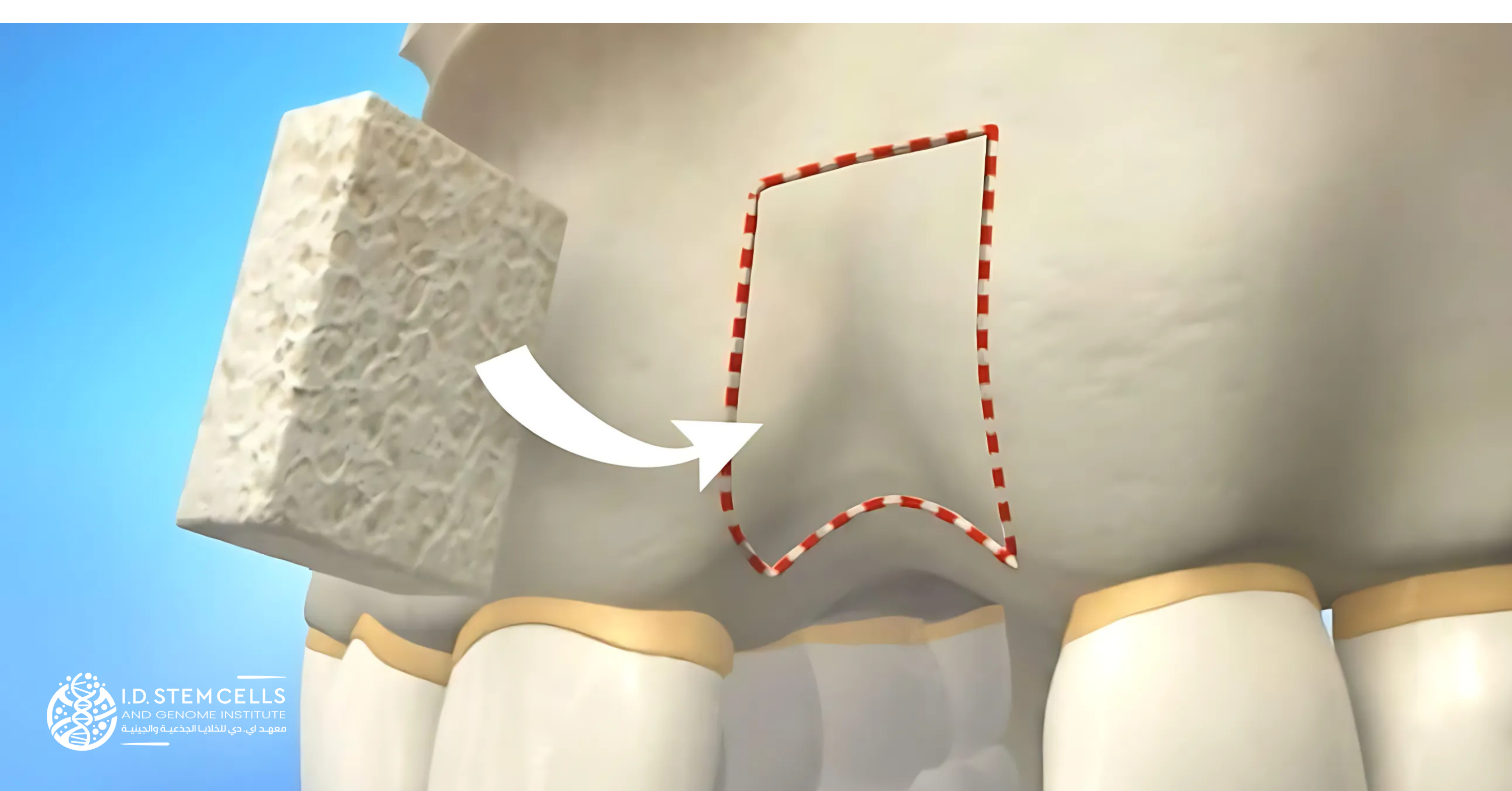
There are some other alternatives to bone tissue, such as allografts and xenografts; however, their drawbacks include the possibility of immune rejection and transmission of pathogens from the donor to the host. The application of synthetic grafts is also limited by their suboptimal integration with the native tissue, which can often lead to graft failure.
To date, no ideal technique has been found that can completely regenerate damaged bone tissue.
The most promising alternative in the reconstruction of alveolar bone tissue is tissue engineering techniques and stem cell-based regenerative therapies, where the key factor is the most appropriate combination of cells, scaffolds and signaling molecules.