At the dawn of the 21st century, a silent medical revolution began to emerge, redefining the concept of radical treatment for disease. Traditional drugs and complex surgeries were no longer the only hope. Stem cells emerged as a key player in a future medical scenario, where repairing damaged organs became a tangible reality. But how did these cells transform from a theoretical concept in biology laboratories into a promising medical weapon?
The roots of this discovery date back to the late 19th century, when scientists observed the ability of some cells to regenerate. However, the real breakthrough came in 1981 with the isolation of embryonic stem cells (ESCs) from mice, followed by the discovery of their human counterparts in 1998. These cells, extracted from the inner cell mass of embryos,
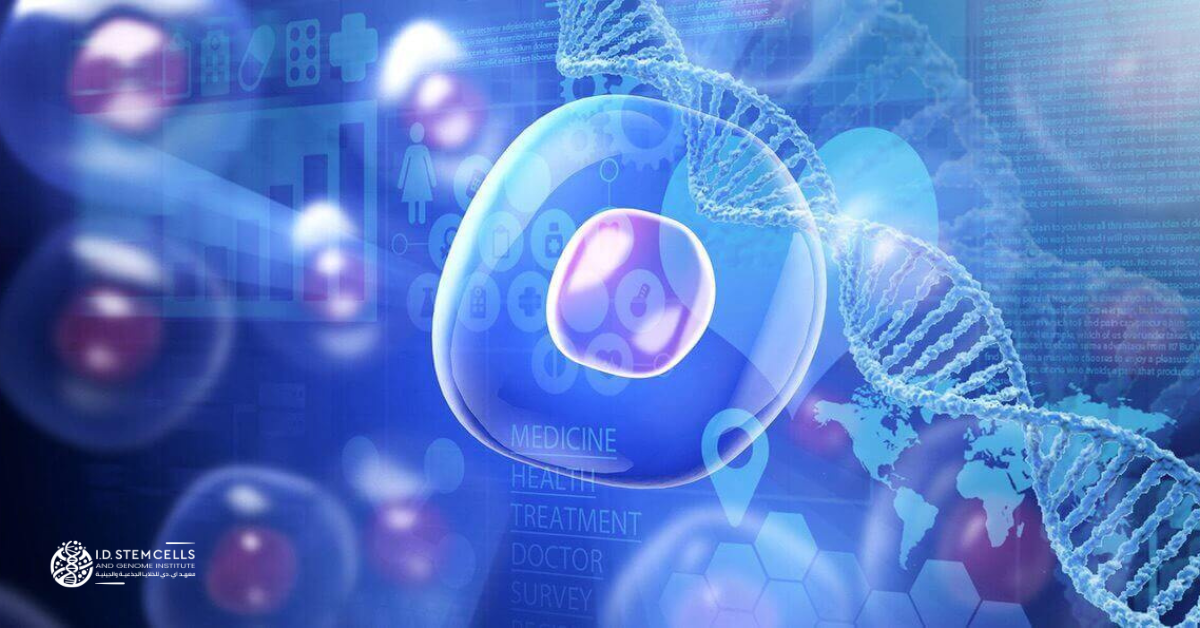
possess pluripotency, the ability to transform into any cell type in the body. This sparked dreams of producing human tissue on demand. However, the ethical dilemma surrounding the use of embryos halted direct clinical applications, leading research to shift toward alternative sources.
Types of Stem Cells: From Embryonic to Adult
Embryonic (ESCs): The most potent and flexible, but surrounded by ethical and legal constraints.
Adult (ASCs): Found in tissues such as bone marrow and skin, they are designed to repair maternal tissue. They have gained popularity in treating blood cancers through bone marrow transplantation.
Perinatal (Perinatal): Derived from the placenta or umbilical cord after birth, they combine embryonic plasticity with adult ethical integrity.
Pluripotent (iPSCs): A scientific breakthrough that won the 2012 Nobel Prize, ordinary skin cells are transformed into stem cells using genetic tools, avoiding ethical controversy.
Types of Stem Cells: From Embryonic to Adult
Embryonic (ESCs): The most potent and flexible, but surrounded by ethical and legal constraints.
Adult (ASCs): Found in tissues such as bone marrow and skin, they are designed to repair maternal tissue. They have gained popularity in treating blood cancers through bone marrow transplantation.
Perinatal (Perinatal): Derived from the placenta or umbilical cord after birth, they combine embryonic plasticity with adult ethical integrity.
Pluripotent (iPSCs): A scientific breakthrough that won the 2012 Nobel Prize, ordinary skin cells are transformed into stem cells using genetic tools, avoiding ethical controversy.
Clinical Applications: From Theory to Clinical Application
Cardiology: In clinical trials, cardiac stem cells achieved a 40% reduction in scar tissue after heart attacks, with improved pumping function.
Diabetes: Transplanting pancreatic cells derived from iPSCs successfully restored insulin production in laboratory mice, with a 70% success rate.
Parkinson's disease: Transplanting neurons derived from embryonic cells significantly improved mobility in 60% of participants in a 2023 Japanese study.
However, despite these achievements, the technology faces significant obstacles:
Immune rejection: The body may attack the transplanted cells unless the patient's own cells are used (as in iPSCs).
Tumors: Some stem cells, especially embryonic ones, can become cancerous if uncontrolled.
Prohibitive cost: A single treatment with induced pluripotent stem cells can exceed $500,000 due to the complexities of gene editing.
With advances in technologies such as CRISPR gene editing and nanotechnology for cell guidance, we may see an era in which Alzheimer's disease is treated with transplanted neurons, or damaged livers are replaced with lab-grown liver cells.
Clinical Applications: From Theory to Clinical Application
Cardiology: In clinical trials, cardiac stem cells achieved a 40% reduction in scar tissue after heart attacks, with improved pumping function.
Diabetes: Transplanting pancreatic cells derived from iPSCs successfully restored insulin production in laboratory mice, with a 70% success rate.
Parkinson's disease: Transplanting neurons derived from embryonic cells significantly improved mobility in 60% of participants in a 2023 Japanese study.
However, despite these achievements, the technology faces significant obstacles:
Immune rejection: The body may attack the transplanted cells unless the patient's own cells are used (as in iPSCs).
Tumors: Some stem cells, especially embryonic ones, can become cancerous if uncontrolled.
Prohibitive cost: A single treatment with induced pluripotent stem cells can exceed $500,000 due to the complexities of gene editing.
With advances in technologies such as CRISPR gene editing and nanotechnology for cell guidance, we may see an era in which Alzheimer's disease is treated with transplanted neurons, or damaged livers are replaced with lab-grown liver cells.