Medical Articles

The Development of Induced Pluripotent Stem Cells (iPSCs) and Their Applications in Disease Models and Therapies

The Development of Induced Pluripotent Stem Cells (iPSCs) and Their Applications in Disease Models and Therapies

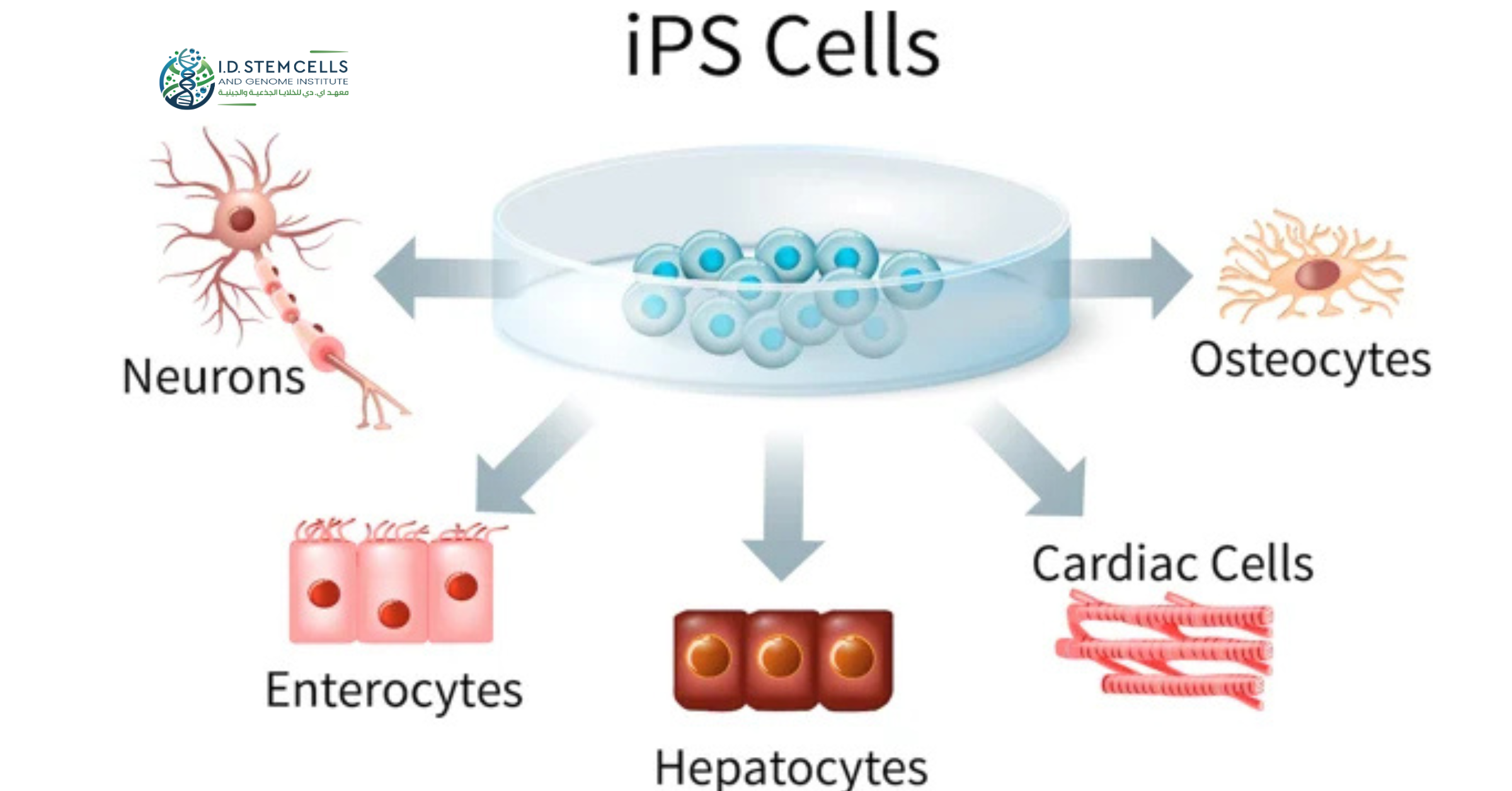
Since the discovery of induced pluripotent stem cells (iPSCs) in 2006, the field has witnessed tremendous progress over the past two decades. This progress has enabled the widespread use of these cells and their derivatives, including differentiated cells and organoids, in modeling neurological diseases, understanding pathological mechanisms, and developing cell therapies.

Previous reviews indicate the advantages of iPSC-derived cell models over traditional animal models and human embryonic stem cells, particularly in applications related to specific diseases. However, significant challenges remain for researchers, including the difficulty of mimicking disease patterns and pathological mechanisms using these cells. Variations in quality and dosage are among the most prominent of these challenges, due to differences in cell sources, stimulatory protocols, and environmental conditions for culture.
Image
Image

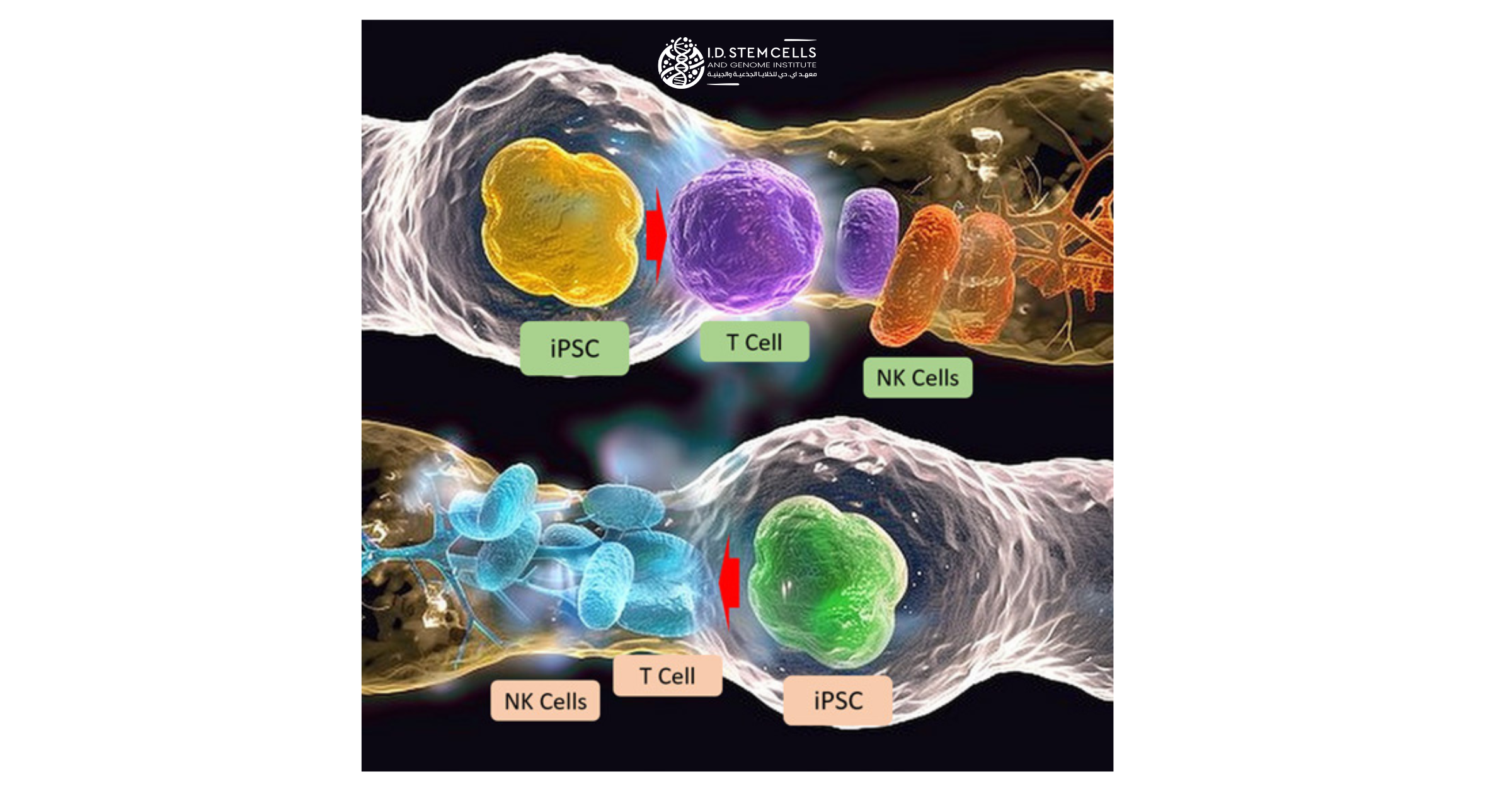
Additionally, current protocols used for cell induction are still technically complex and unable to consistently generate all required human cell types. To address these issues, researchers are continuously developing induction methods and improving differentiation protocols.
Image

A notable development in this context is the use of CRISPR/Cas9 gene editing technology, which has enabled precise genetic modifications of iPSCs, their differentiated cells, and even organoids, while preserving each patient's specific genetic background. This advancement has contributed to advancing research into specific disease models, understanding pathological mechanisms, and increasing the efficiency of high-throughput drug screening.


For immediate consultation with experts from the I.D. Institute for Stem Cell and Gene Research

For immediate consultation with experts from the I.D. Institute for Stem Cell and Gene Research

Image

you may also like

Image

you may also like

Image
Image
Image
Image

I.D. Journal of Stem Cell Research and Advanced Therapeutics

A medical journal published by the I.D. Institute for Stem Cell and Genome Research

Image
Image
Image
Image
Image
Image
Image
Image
I.D. Journal of Stem Cell Research and Advanced Therapeutics

A medical journal published by the I.D. Institute for Stem Cell and Genome Research

Image
Image
Image
Image
Image

I.D. Educational Community

Join the I.D. Community, an interactive environment bringing together experts, alumni, and students. This community aims to:

  • Exchange Clinical Expertise: Discuss challenging medical cases to enhance treatment outcomes.

  • Discuss Cutting-edge Research: Explore contemporary debates such as Digital Twins, Gerontology, and AI in medicine.

  • Build Professional Networks: Connect with leaders in regenerative medicine and global health organizations.

Image
Image
Image

I.D. Educational Community

Join the I.D. Community, an interactive environment bringing together experts, alumni, and students. This community aims to:

  • Exchange Clinical Expertise: Discuss challenging medical cases to enhance treatment outcomes.

  • Discuss Cutting-edge Research: Explore contemporary debates such as Digital Twins, Gerontology, and AI in medicine.

  • Build Professional Networks: Connect with leaders in regenerative medicine and global health organizations.

Image
Image
Image
Image

© 2025 I.D. Holding, By prof. Dr. Islam Dababseh

© 2025 I.D. Holding, By prof. Dr. Islam Dababseh

Image

© 2025 I.D. Holding, By prof. Dr. Islam Dababseh

© 2025 I.D. Holding, By prof. Dr. Islam Dababseh

Image