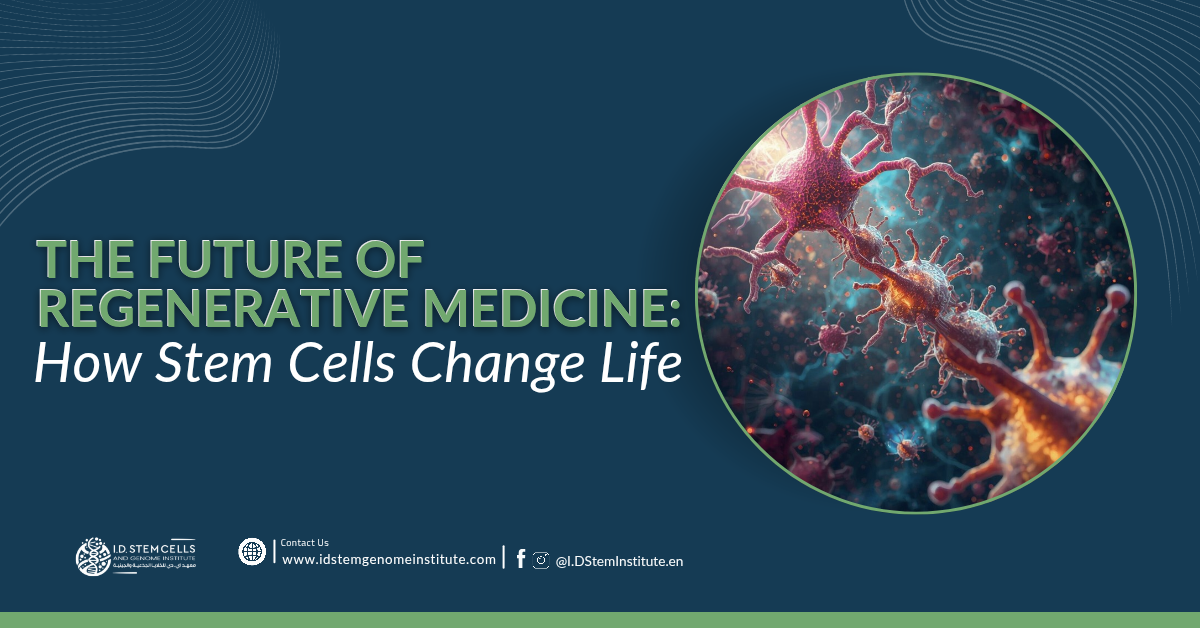
Stem cells and regenerative medicine have the unique ability to create medicine from the body's own cells. This may sound like a science fiction idea, but it's a reality. Stem cells are progenitor cells that have the ability to renew themselves and differentiate into specialized, functionally mature cells in various human tissues.
This revolution relies on four main sources of stem cells:
Embryos and fetal tissues: such as the placenta and umbilical cord, which are considered a biological treasure trove rich in young cells.
Adult tissues: such as bone marrow (the most popular source), skin, and even fat, which can be transformed into neurons!
Induced-Pluripotent Stem Cells (iPSCs): A normal skin cell is taken and transformed into a stem cell using gene-carrying viruses.
This revolution relies on four main sources of stem cells:
Embryos and fetal tissues: such as the placenta and umbilical cord, which are considered a biological treasure trove rich in young cells.
Adult tissues: such as bone marrow (the most popular source), skin, and even fat, which can be transformed into neurons!
Induced-Pluripotent Stem Cells (iPSCs): A normal skin cell is taken and transformed into a stem cell using gene-carrying viruses.

From Laboratory to Clinical Use: A Challenging Journey
Research is translated into safe treatments through strict oversight. Agencies such as the Food and Drug Administration (FDA) require a series of tests:
Preclinical: Animal experiments to measure toxicity.
Three clinical phases: Efficacy is tested on small and then larger groups of patients.
For example, dozens of trials are currently underway to use stem cells to repair heart muscle after strokes, or to restore vision by transplanting retinal cells made from the patient's own cells.
From Laboratory to Clinical Use: A Challenging Journey
Research is translated into safe treatments through strict oversight. Agencies such as the Food and Drug Administration (FDA) require a series of tests:
Preclinical: Animal experiments to measure toxicity.
Three clinical phases: Efficacy is tested on small and then larger groups of patients.
For example, dozens of trials are currently underway to use stem cells to repair heart muscle after strokes, or to restore vision by transplanting retinal cells made from the patient's own cells.
Exosomes and Their Important Role in Regenerative Medicine
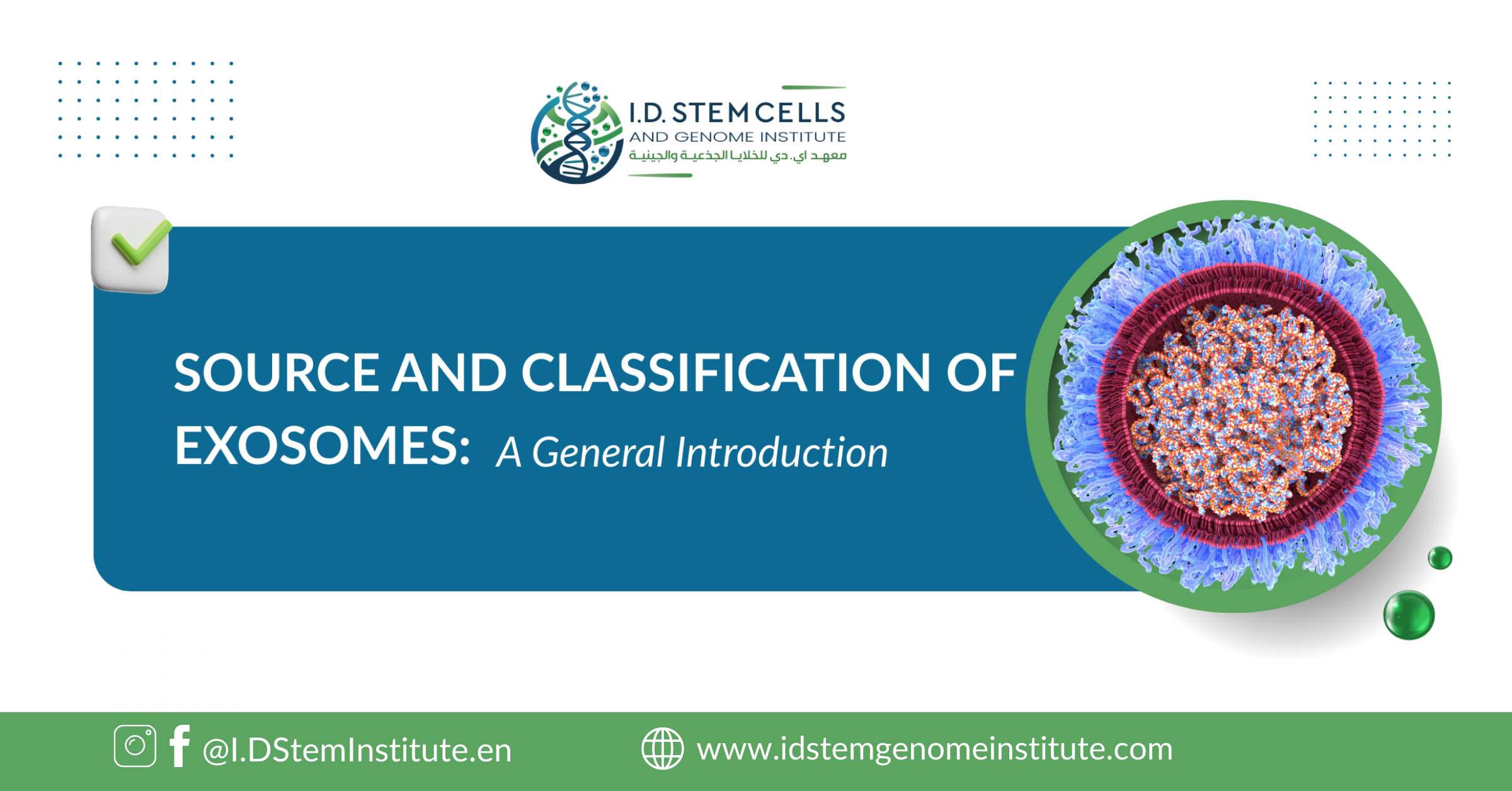
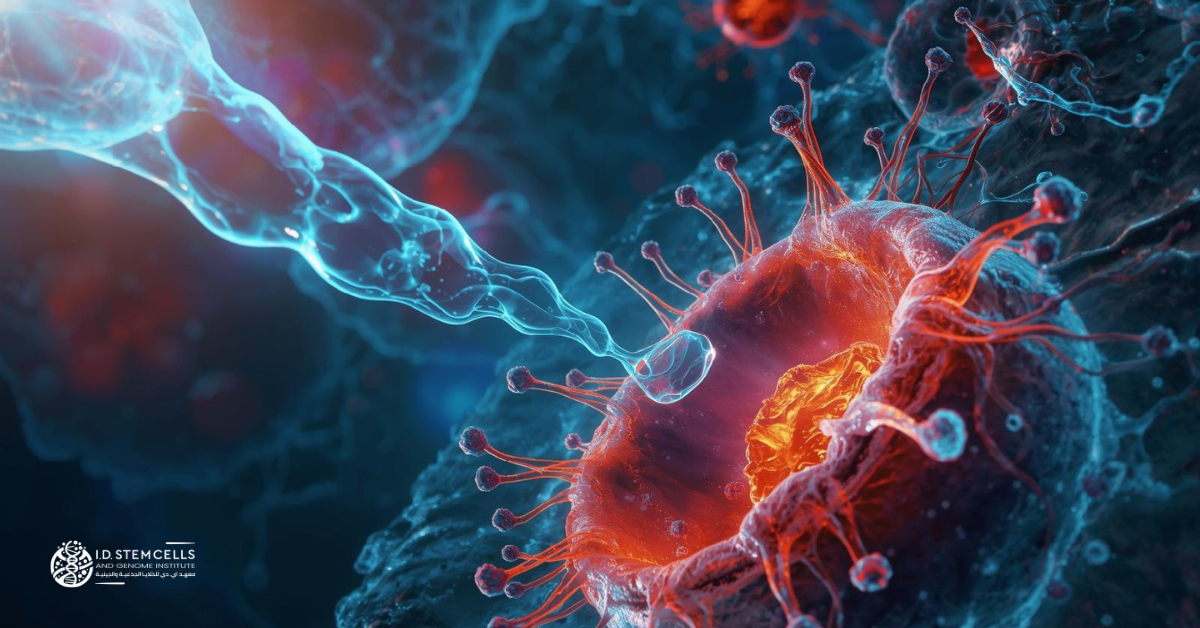
Scientists have discovered that stem cells secrete small vesicles called exosomes, which carry proteins and genetic material that repair damaged tissue without the need for transplanting the cells themselves. This technique reduces the risk of rejection and tumors and may become a safer treatment in the near future. While challenges remain, such as high costs and a scarcity of specialists, the future holds amazing promise. In Japan, experiments have begun using stem cells to slow aging, and in the United States, research is underway to grow entire organs in the lab.
Exosomes and Their Important Role in Regenerative Medicine
Scientists have discovered that stem cells secrete small vesicles called exosomes, which carry proteins and genetic material that repair damaged tissue without the need for transplanting the cells themselves. This technique reduces the risk of rejection and tumors and may become a safer treatment in the near future. While challenges remain, such as high costs and a scarcity of specialists, the future holds amazing promise. In Japan, experiments have begun using stem cells to slow aging, and in the United States, research is underway to grow entire organs in the lab.