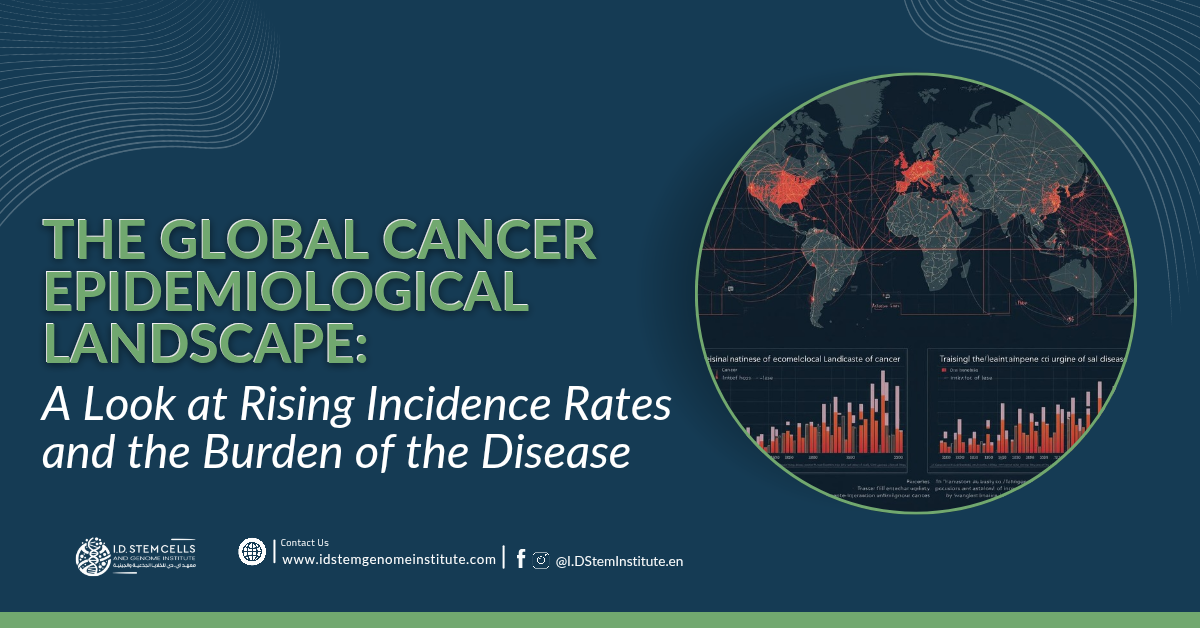
Despite significant advancements in detection and treatment technologies, cancer remains one of the greatest health challenges of our time. In the United States, cancer has maintained its position as the second leading cause of death since 1937. Remarkably, during the peak of the COVID-19 pandemic (2020-2021), cancer deaths surpassed pandemic-related deaths, with nearly 600,000 cancer fatalities compared to 350,000 COVID-19 deaths in 2020. This underscores the magnitude and persistence of this health burden, transcending even emergencies.
Epidemiological Dynamics in the United States
Vital statistics for 2024 indicate nearly 2 million new cancer diagnoses in the United States, with projections indicating this number will rise to:
2 million cases annually by 2030.
2.2 to 3 million cases annually by 2050.
Studies confirm that the rate of increase in incidence will exceed the natural population growth rate, with a lifetime risk of cancer reaching 40% for males and 38% for females of current U.S. births.
Epidemiological Dynamics in the United States
Vital statistics for 2024 indicate nearly 2 million new cancer diagnoses in the United States, with projections indicating this number will rise to:
2 million cases annually by 2030.
2.2 to 3 million cases annually by 2050.
Studies confirm that the rate of increase in incidence will exceed the natural population growth rate, with a lifetime risk of cancer reaching 40% for males and 38% for females of current U.S. births.
Global Trends and Disparities in the Burden
Internationally, the world increased from 14.1 million cases in 2012 to over 19 million cases and 10 million deaths in 2020.
Global Trends and Disparities in the Burden
Internationally, the world increased from 14.1 million cases in 2012 to over 19 million cases and 10 million deaths in 2020. Future projections reveal a significant gap in health equity:
By 2070: More than 34 million cases are expected to be diagnosed annually worldwide.
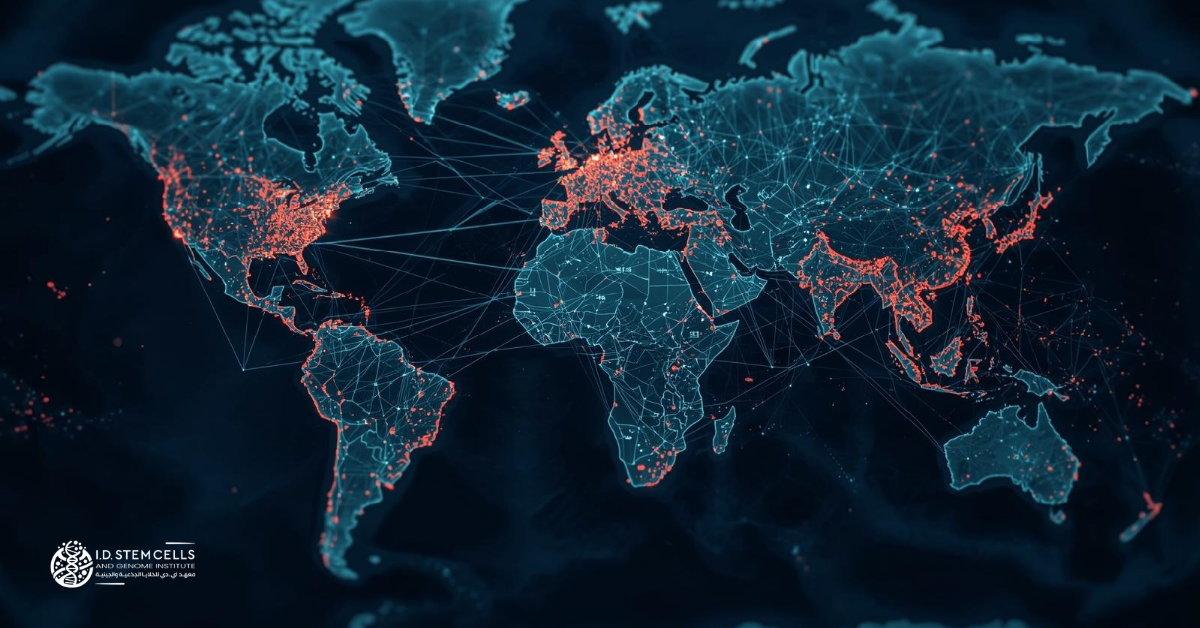
Low-income countries will bear the Future projections reveal a significant gap in health equity:
By 2070: More than 34 million cases are expected to be diagnosed annually worldwide. brunt of the burden, with a projected 400% increase in cases over the next 50 years, reflecting weak preventative infrastructure in these regions.
Analysis of Trajectories for Major Cancer Types
Predictive models paint a worrying trajectory for the three most common types:
Colorectal cancer: Cases are projected to reach 3.2 million by 2040 (up from 1.9 million in 2020).
Breast cancer: Will reach similar levels to colorectal cancer by 2050.
Lung cancer: Remains the deadliest and most prevalent cancer, with a projected 3 million cases by 2035 and a rise in deaths worldwide.
This increase is attributed to three main drivers: population growth, rising life expectancy, and changing dietary patterns and increased tobacco use.
Analysis of Trajectories for Major Cancer Types
Predictive models paint a worrying trajectory for the three most common types:
Colorectal cancer: Cases are projected to reach 3.2 million by 2040 (up from 1.9 million in 2020).
Breast cancer: Will reach similar levels to colorectal cancer by 2050.
Lung cancer: Remains the deadliest and most prevalent cancer, with a projected 3 million cases by 2035 and a rise in deaths worldwide.
This increase is attributed to three main drivers: population growth, rising life expectancy, and changing dietary patterns and increased tobacco use.
The Burden of Disease in Healthy Life Years (DHLYs)
To accurately depict the actual impact, the metric "disability-loss years of life" (DLYs) is used. In 2019, cancer caused the loss of 250 million DLYs, ranking second globally after cardiovascular diseases.
Lung cancer as a case study: It alone contributed 1.8% of the total global DLYs, registering an absolute increase of 69.1% between 1990 and 2019.
Although age-standardized incidence and mortality rates have stabilized globally over the past decade, absolute figures are rising, placing immense pressure on health systems.
The Burden of Disease in Healthy Life Years (DHLYs)
To accurately depict the actual impact, the metric "disability-loss years of life" (DLYs) is used. In 2019, cancer caused the loss of 250 million DLYs, ranking second globally after cardiovascular diseases.
Lung cancer as a case study: It alone contributed 1.8% of the total global DLYs, registering an absolute increase of 69.1% between 1990 and 2019.
Although age-standardized incidence and mortality rates have stabilized globally over the past decade, absolute figures are rising, placing immense pressure on health systems.
The widening gap between stable age-standardized incidence rates and the sharp increase in absolute numbers of cases and deaths (especially in developing countries) necessitates a revolution in early detection tools and treatment strategies. Confronting the coming cancer "tsunami" requires investments that exceed what is currently being provided to keep pace with the rate of global demographic and environmental change.
At the I.D. Stem Cells and Genome Institute, we keep abreast of the latest scientific developments in the field of stem cell and gene therapy and regenerative medicine. If you are interested in learning more about the potential benefits of these treatments and the latest research findings, please feel free to contact us.