The regenerative process of alveolar bone remodeling relies on ossification during embryonic development, whereby osteoblasts differentiated from MSCs produce osteoblasts, a non-mineralized bone matrix, followed by bone mineralization.
Moreover, MSCs, through their secretion of cytokines and growth factors, are also capable of indirectly promoting bone regeneration. The released factors, such as tumor necrosis factor-α (TNF-α), platelet-derived growth factor (PDGF), interleukin-1 (IL-1), and IL-6, can initiate further activation of MSCs and their recruitment into regenerative stem cells. Therefore, successful bone tissue engineering must include a combination of abundant MSCs/osteoblasts, an appropriate mix of biofactors to induce osteogenic differentiation, and biomaterial-based scaffolds.
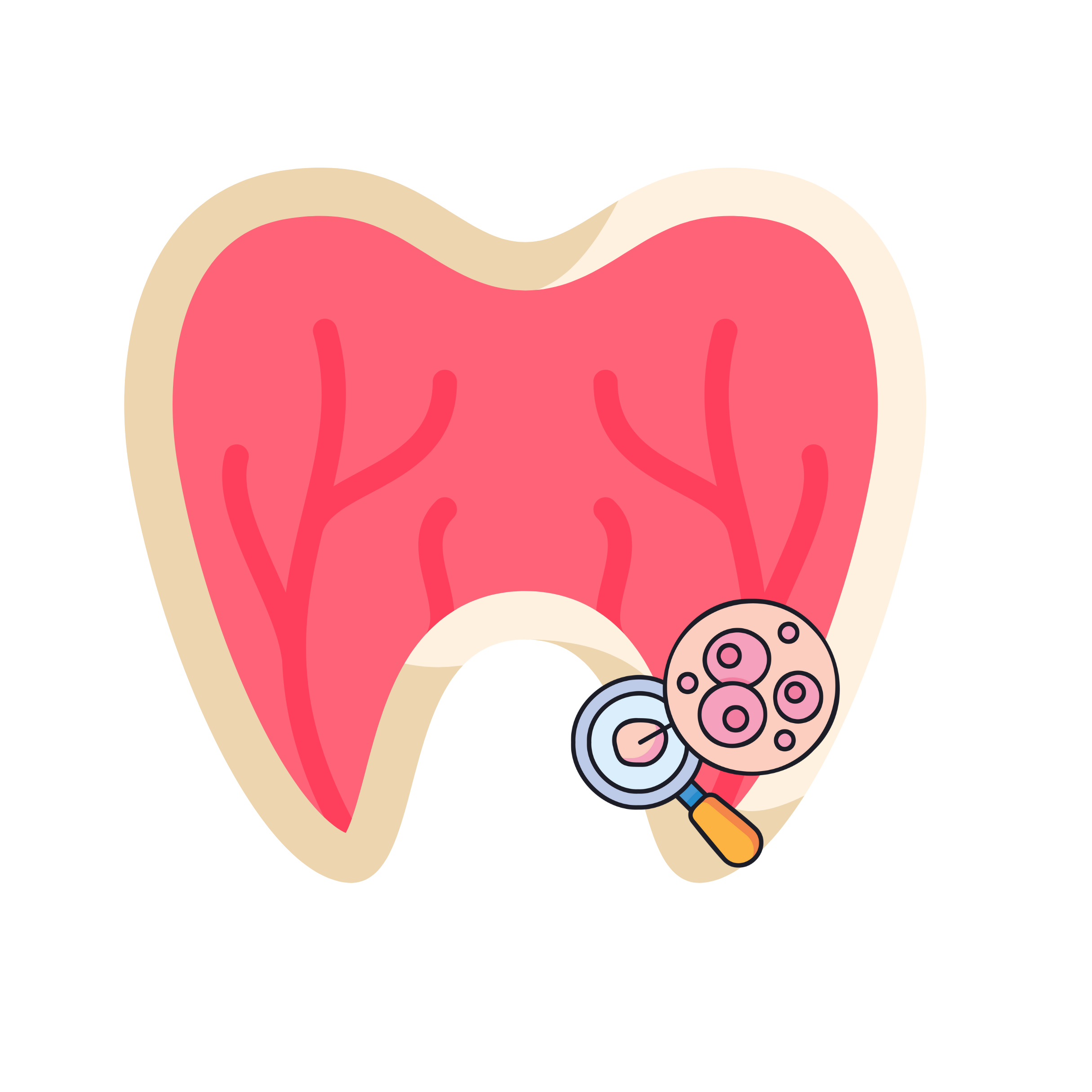
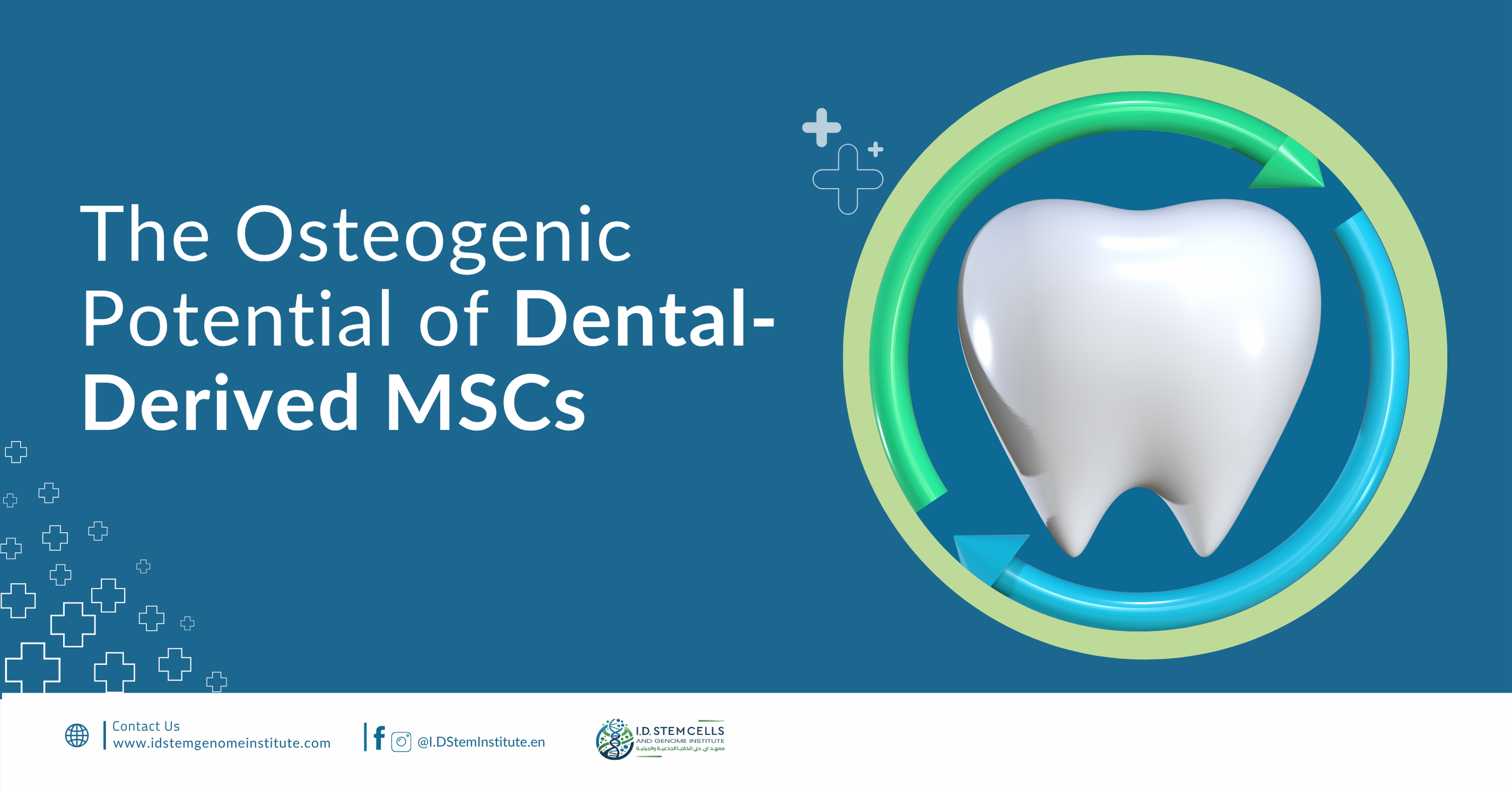
For dental tissue regeneration, the most suitable stem cells are MSCs derived from various dental sources, such as dental pulp (dental pulp stem cells); periodontal ligament (periodontal ligament stem cells); gingiva (gingival mesenchymal stem cells); dental follicle or Hertwig's epithelial bilayer root sheath (DEP) stem cells; palatal subepithelial soft tissue (PET) stem cells; periapical cyst tissue (human periapical cyst mesenchymal stem cells); and stem cells from deciduous teeth (SHED cells) and from the human root apical papilla (SCAP).