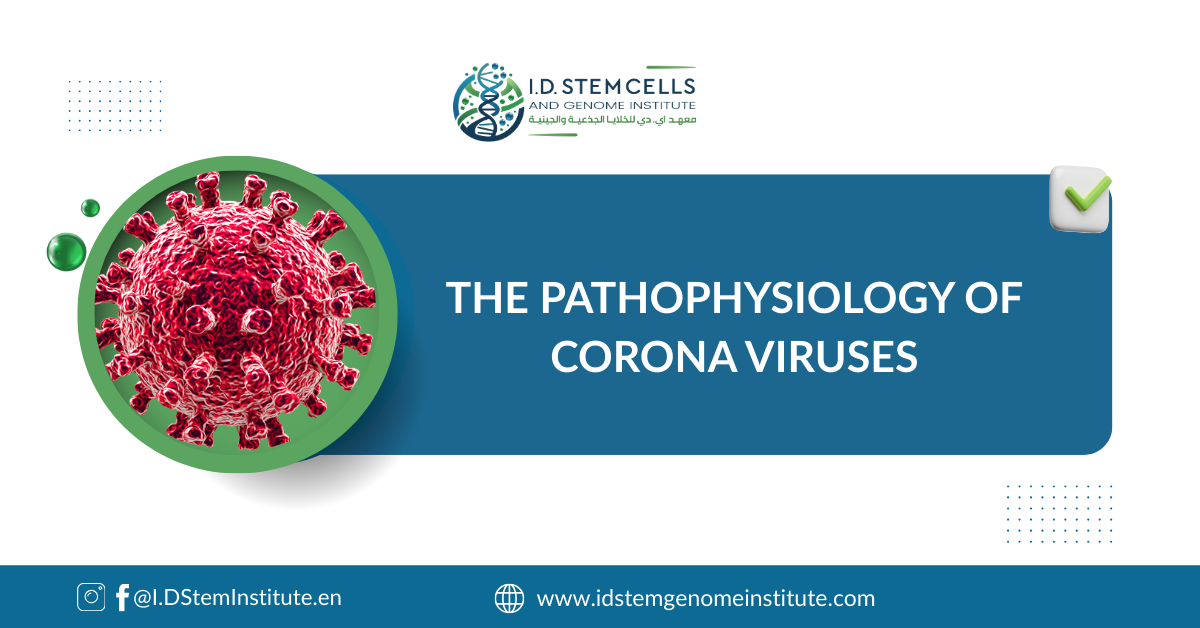
SARS-CoV-2 belongs to the coronavirus family, whose members caused two previous pandemics in the early 21st century: one called SARS-CoV and the other called Middle East Respiratory Syndrome (MERS).
Coronaviruses are large, enveloped viruses with a positive-sense RNA genome. The lipid bilayer of the virus contains several proteins with different functions. The spike protein, or S glycoprotein (SP), contains two domains: S1 and S2, and is responsible for invasion, binding, and entry into human cells. The receptor-binding domain (RBD) of S1 interacts with angiotensin-converting enzyme 2 (ACE2) on the surface of the human host cell, a similar entry mechanism to SARS-CoV. However, the S2 domain is responsible for fusion with the viral cell membrane and for viral entry with a higher affinity.
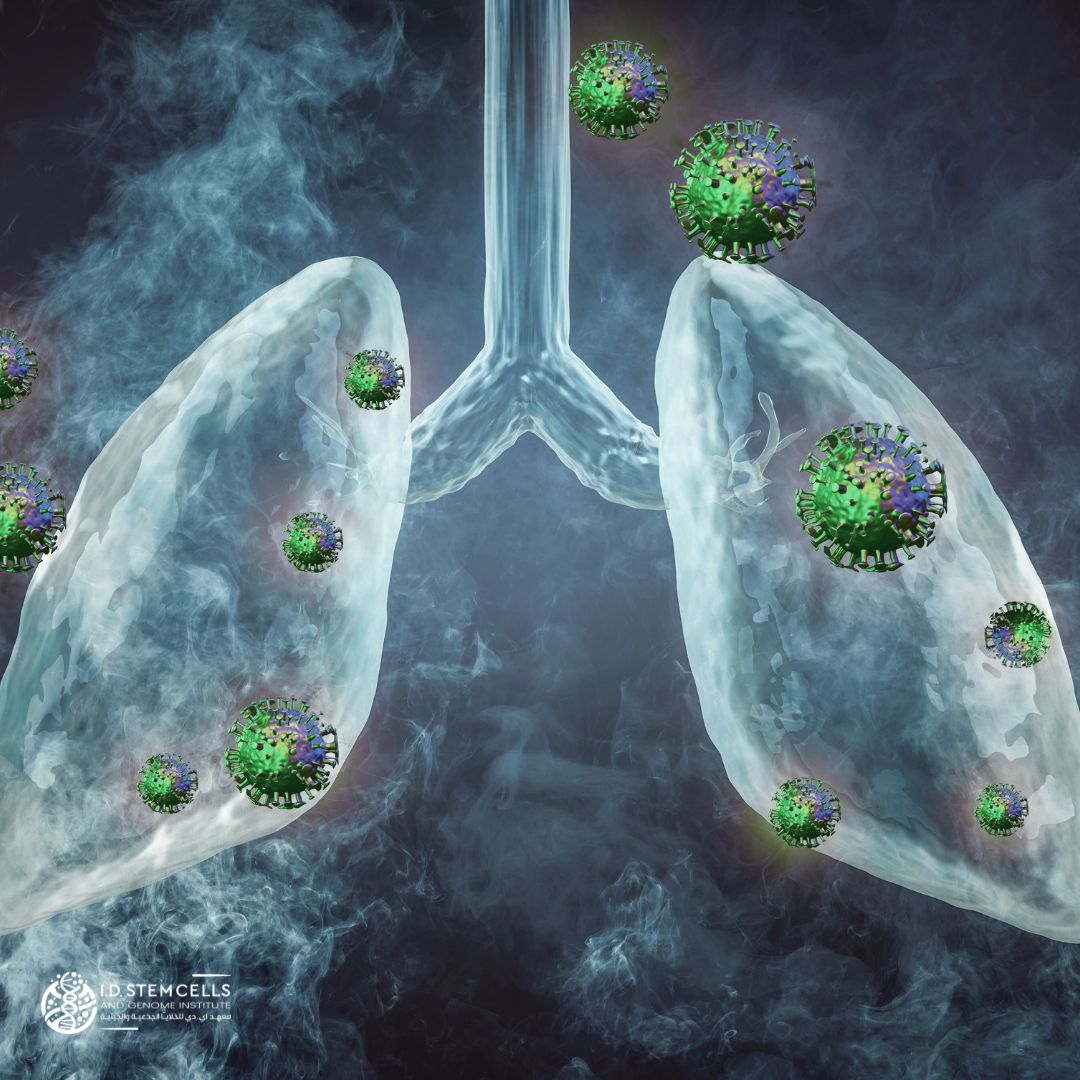
The higher expression of the ACE2 receptor in adults compared to children may be a reason for the higher infection rate in adults. Another noteworthy point is the increased levels of enzymes in the liver, heart, and kidneys of COVID-19 patients with pneumonia, which is consistent with the tissue profile of the ACE2 receptor. This could also explain the occurrence of multi-organ failure in some patients.