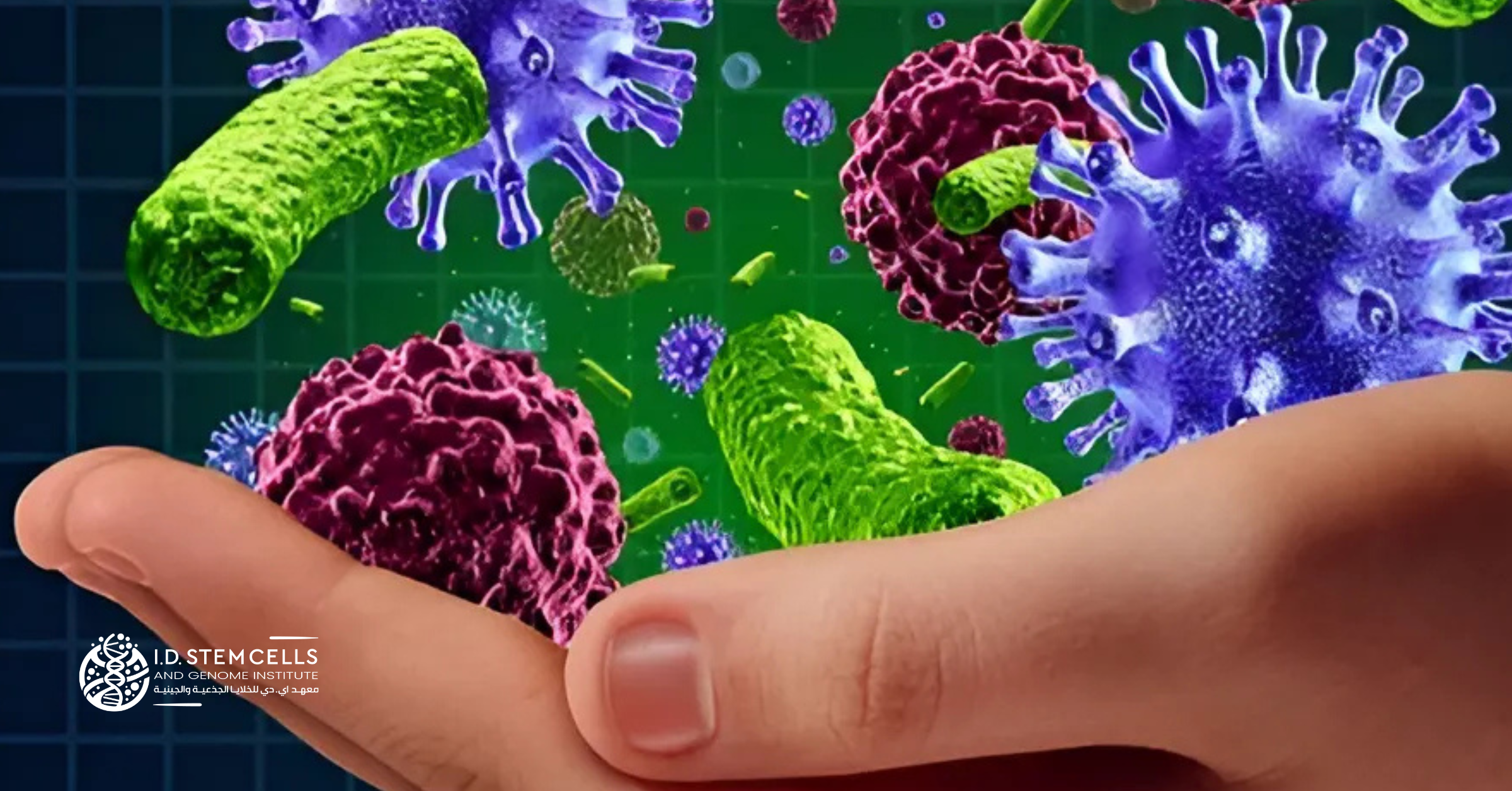
Lymphopenia, hyper-inflammatory state, and cytokines all appear to play a role in COVID-19 pathology; therefore, the hypothesis has been proposed that immunomodulatory drugs may be useful for reversing and treating the disease.
Given the pivotal role of IL-6 in CS, tocilizumab, an IL-6 inhibitor, could be effective in critically ill COVID-19 patients.
There is limited data on the effects of other immunosuppressive drugs, such as glucocorticoids, IL-1 inhibitors, mycophenolate mofetil, anti-TNF-α agents, methotrexate, and NSAIDs, in COVID-19. Further in vitro and in vivo studies are recommended.
Due to the lack of T-cell lymphocytes and their decreased function, immunoglobulins produced by B cells represent the primary arm of the immune system to combat the virus. Seroconversion and antibody production occur within the first two weeks after infection.
Like other infections, specific IgM is the first defense to appear and disappears after a short period, but specific IgG remains a long-term defense against the virus.
Therefore, neutralizing IgGs play a key role in patient recovery and infection control. IgGs peak in serum during the convalescent phase and tend to decline after recovery, but memory B cells can still survive to provide long-term protection.