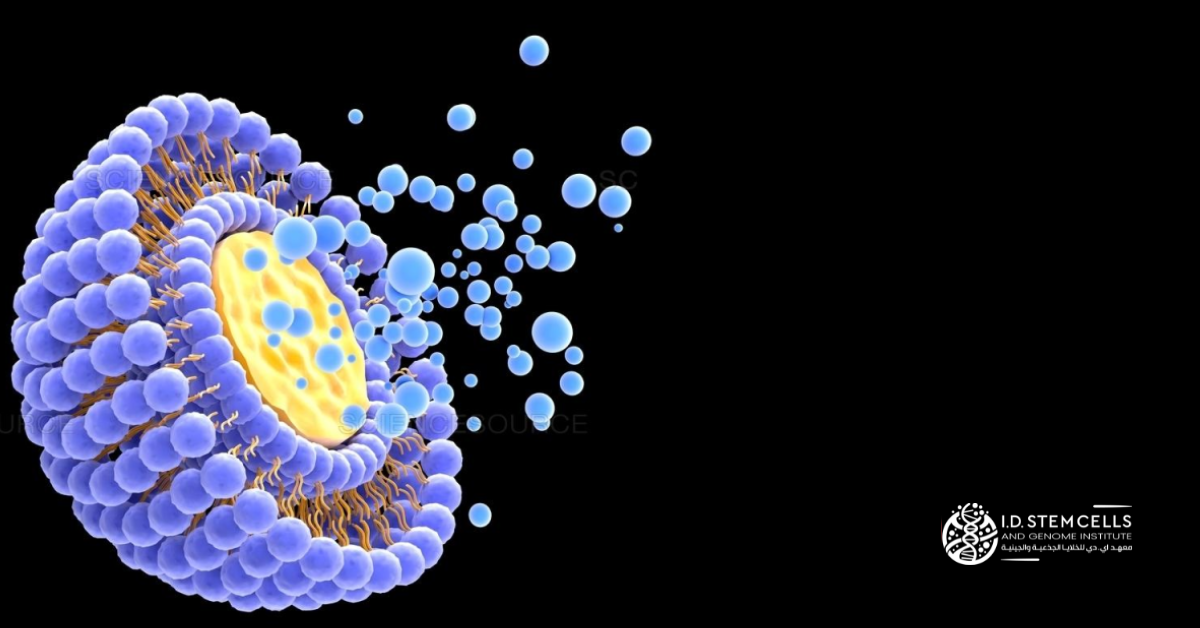
Liposomes are small, hollow spheres composed of a layer of phospholipids that can be filled with DNA or other molecules during their formation.
Liposomes fuse with the membranes surrounding most animal cells, and the liposome contents eventually enter the cells. Both positively charged and negatively charged liposomes are used as DNA carriers in gene therapy; this process is called lipofection.
This process is promising because liposomes can be injected directly into tumor tissue. In fact, liposomes are better suited for transporting proteins than DNA. For example, the tumor necrosis factor (TNF) protein can be packaged in liposomes and injected into tumor tissue. The liposomes fuse with the cell membrane of the cancer cell, releasing the protein into the tumor cells. There are numerous modifications to liposomes to improve their pharmacokinetics and, consequently, the therapeutic efficacy of their contents.
The development of liposomes as carriers for therapeutic molecules is an area of ongoing research. The ability to modify the technological properties of the carrier vesicles makes them highly versatile, both as carriers for a variety of drug types (from conventional chemotherapy to proteins and peptides) and in therapeutic applications (from cancer treatment to vaccines).