Brain tumors are masses or abnormal growths of cells in the brain or surrounding tissues. They are considered complex medical conditions due to their diverse types and impact on neurological function. According to the World Health Organization (WHO), approximately 300,000 new cases of brain tumors are diagnosed worldwide each year, with significant variations in severity and prognosis based on tumor type and location.
Brain tumors are classified into two main categories:
1. Primary Tumors:
Arise from brain cells or the membranes surrounding them (such as the meninges). The most common of these are:
- Glioma: Includes tumors that arise from glial cells (such as glioblastoma).
- Meningioma: Arises from the meninges and is usually benign.
- Schwannoma: Affects the cranial nerves, such as acoustic neuroma.
2. Metastatic Tumors:
Spread from other organs (such as the lung or breast) to the brain, accounting for 30-40% of brain tumor cases.
Brain tumors are classified into two main categories:
1. Primary Tumors:
Arise from brain cells or the membranes surrounding them (such as the meninges). The most common of these are:
- Glioma: Includes tumors that arise from glial cells (such as glioblastoma).
- Meningioma: Arises from the meninges and is usually benign.
- Schwannoma: Affects the cranial nerves, such as acoustic neuroma.
2. Metastatic Tumors:
Spread from other organs (such as the lung or breast) to the brain, accounting for 30-40% of brain tumor cases.
Grade classification (WHO Grading):
Grade I-II (low-grade): Slow-growing tumors that may be amenable to surgical resection.
- Grade III-IV (high-grade): Aggressive tumors, such as glioblastoma (Grade IV).f degradative enzymes.
Grade classification (WHO Grading):
Grade I-II (low-grade): Slow-growing tumors that may be amenable to surgical resection.
- Grade III-IV (high-grade): Aggressive tumors, such as glioblastoma (Grade IV).f degradative enzymes.
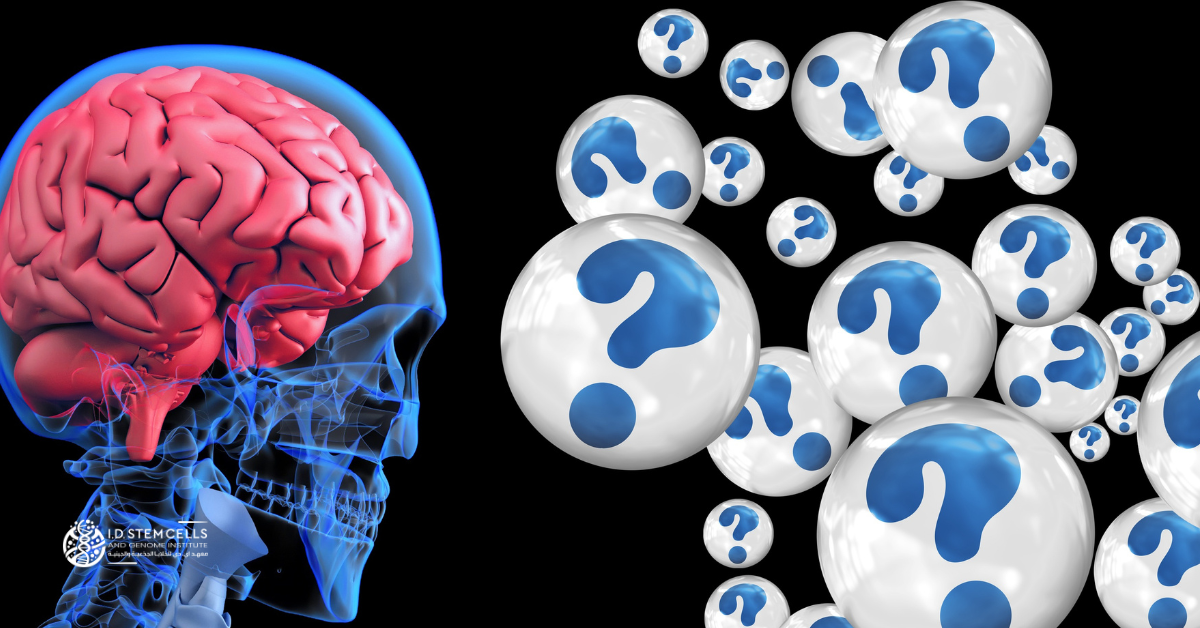
The exact causes are still unknown, but the following factors are likely:
Genetic mutations: such as TP53 gene mutations.
- Radiation exposure: especially in childhood.
- Genetic factors: such as Novan syndrome or neurofibromatosis.
- Age: Some tumors (such as glioblastoma) are more common in older adults Pathophysiology
Tumors occur due to a disruption in the cell cycle, leading to:
1. Uncontrolled growth: due to the loss of the mechanism of programmed cell death (apoptosis).
2. Angiogenesis: Tumor nutrition.
3. Local invasion: Destruction of healthy tissue through the secretion.
Tumors occur due to a disruption in the cell cycle, leading to:
1. Uncontrolled growth: due to the loss of the mechanism of programmed cell death (apoptosis).
2. Angiogenesis: Tumor nutrition.
3. Local invasion: Destruction of healthy tissue through the secretion.
Diagnosis
1. Medical imaging:
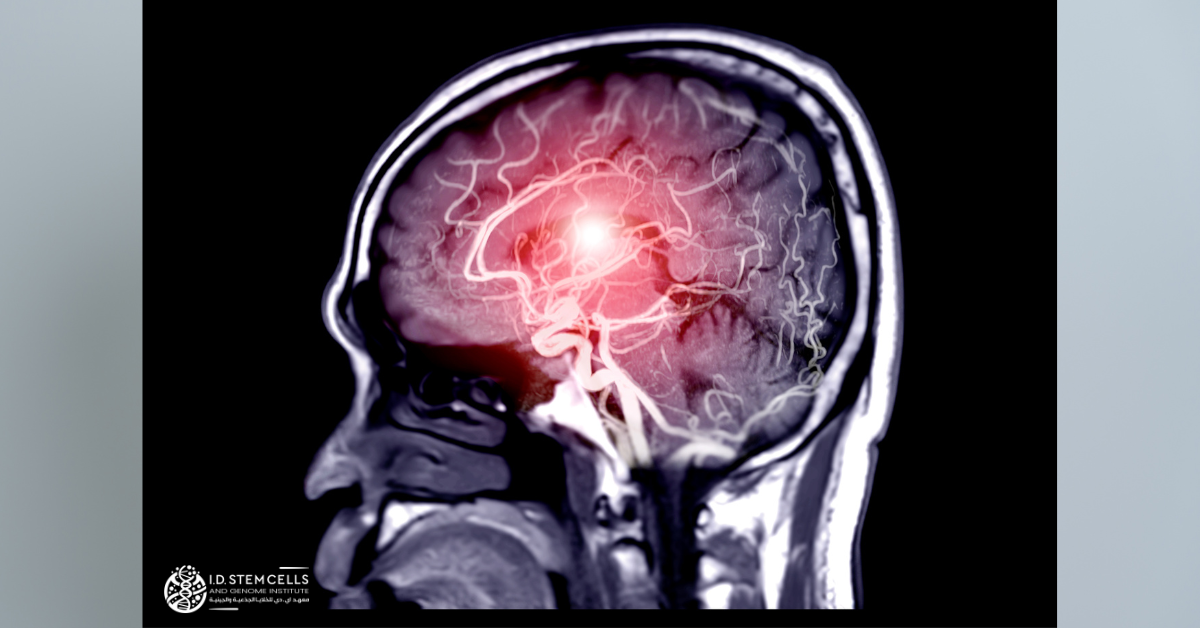
- Magnetic resonance imaging (MRI) with contrast: Shows tumor details and its relationship to surrounding tissues.
-Computed tomography (CT): Useful in cases of bleeding or emergency.
2. Biopsy: To determine the type and grade.
3. Molecular tests: Such as IDH mutation or MGMT promoter methylation tests to predict response to treatment.
Diagnosis
1. Medical imaging:
- Magnetic resonance imaging (MRI) with contrast: Shows tumor details and its relationship to surrounding tissues.
-Computed tomography (CT): Useful in cases of bleeding or emergency.
2. Biopsy: To determine the type and grade.
3. Molecular tests: Such as IDH mutation or MGMT promoter methylation tests to predict response to treatment.
Available treatment Treatment depends on the type and grade of the tumor and the patient's health
1. Surgery:
- Goal: To remove as much of the tumor as possible while preserving neurological function.
- Advanced techniques: Such as Gamma Knife radiosurgery or the use of intraoperative neuroimaging.
2. Radiotherapy:
- Used to shrink tumors or destroy residual cells after surgery.
3. Chemotherapy:
- Drugs such as temozolomide for high-grade gliomas.
4. Targeted Therapy:
- Receptor inhibitors such as bevacizumab to inhibit angiogenesis.
5. Immunotherapy:
- Clinical trials of immune checkpoint inhibitors (PD-1/PD-L1).
Available treatments Treatment depends on the type and grade of the tumor and the patient's health
1. Surgery:
- Goal: To remove as much of the tumor as possible while preserving neurological function.
- Advanced techniques: Such as Gamma Knife radiosurgery or the use of intraoperative neuroimaging.
2. Radiotherapy:
- Used to shrink tumors or destroy residual cells after surgery.
3. Chemotherapy:
- Drugs such as temozolomide for high-grade gliomas.
4. Targeted Therapy:
- Receptor inhibitors such as bevacizumab to inhibit angiogenesis.
5. Immunotherapy:
- Clinical trials of immune checkpoint inhibitors (PD-1/PD-L1).
Future Research Trends
1. Precision Medicine: Analyzing individual genomes to determine the most appropriate treatment.
2. Gene Therapy: Modifying tumor causing genes.
3. Artificial Intelligence: Analyzing radiological images for early detection of tumors.
Brain tumors pose a medical challenge due to their complexity and diversity, but recent advances in microsurgery and molecular therapies are opening new avenues for improved outcomes. Early detection and a deep understanding of tumor biology remain crucial to saving lives.
Future Research Trends
1. Precision Medicine: Analyzing individual genomes to determine the most appropriate treatment.
2. Gene Therapy: Modifying tumor causing genes.
3. Artificial Intelligence: Analyzing radiological images for early detection of tumors.
Brain tumors pose a medical challenge due to their complexity and diversity, but recent advances in microsurgery and molecular therapies are opening new avenues for improved outcomes. Early detection and a deep understanding of tumor biology remain crucial to saving lives.