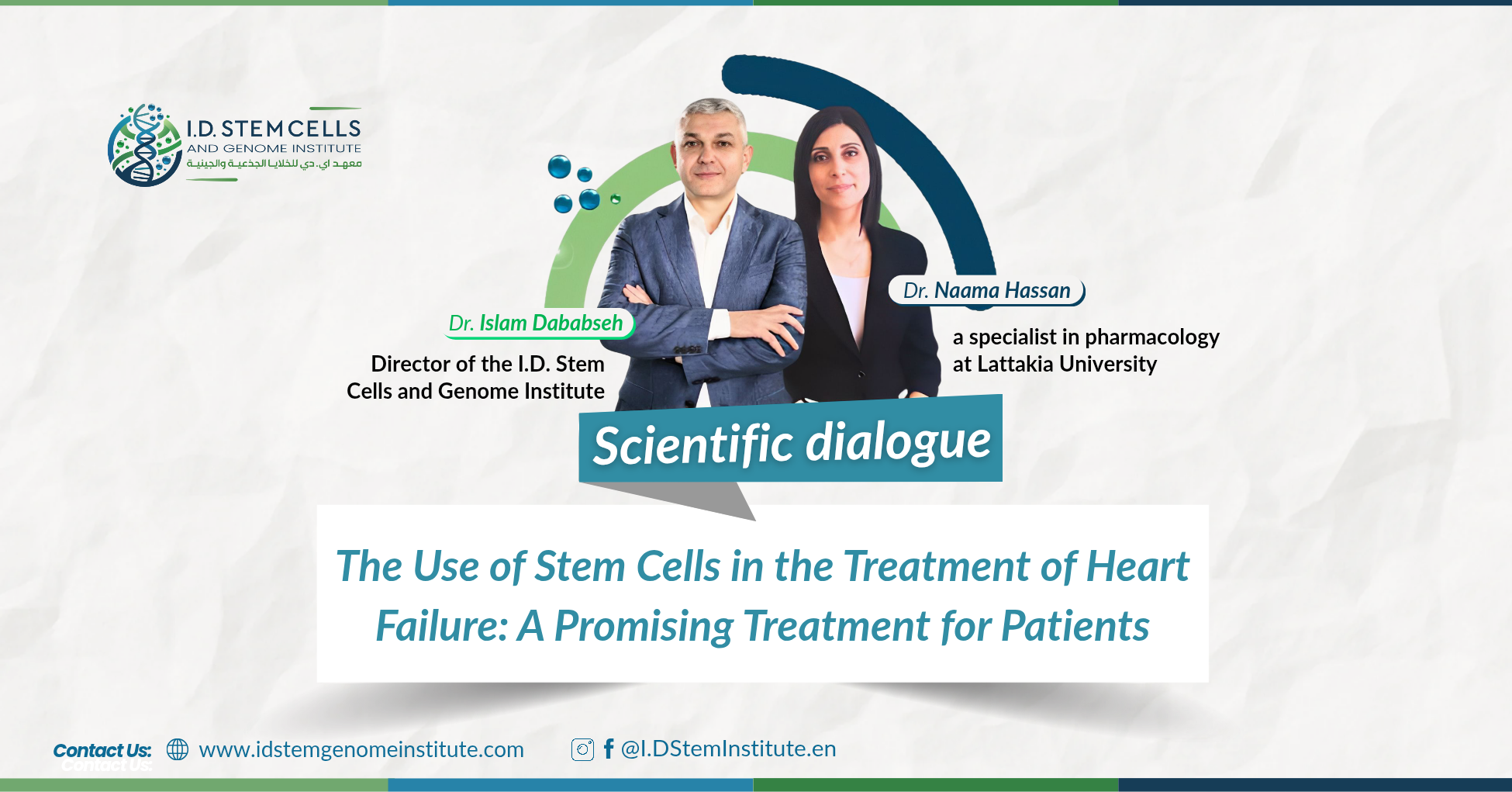
Heart disease is one of the most prominent diseases of the modern century, with heart failure being one of the most prominent. With conventional treatments insufficiently able to prevent the progression of the disease, new research on the use of stem cells in the treatment of heart failure has revolutionized the world of medicine. In this article, Dr. Naama Hassan, a specialist in pharmacology, explains the use of regenerative medicine applications in the treatment of heart failure and the response to repairing diseased or dysfunctional tissue.
Introduction to Heart Failure:
Heart failure typically results from prolonged cardiomyopathy, a chronic, progressive condition characterized by a gradual decline in heart performance and/or stiffness of the heart muscle. Without appropriate intervention, the cumulative decline in the heart's ability to pump blood is likely to lead to heart failure or even death. Current treatment includes several medications, such as diuretics, mineralocorticoid receptor antagonists, renin-angiotensin system inhibitors, vasodilators, sodium-glucose co-transporter-2 (SGLT2) inhibitors, and some beta-blockers. However, approximately 5% of patients develop Stage D heart failure or end-stage heart disease, requiring a heart transplant or mechanical support using a left ventricular assist device (LVAD). However, patients with LVADs are at increased risk of thromboembolic complications, bleeding, infections, and right ventricular failure. Therefore, there is a need for medical approaches that halt or reverse the progression of heart failure and enable the preservation and biological regrowth of functional myocardium.
Introduction to Heart Failure:
Heart failure typically results from prolonged cardiomyopathy, a chronic, progressive condition characterized by a gradual decline in heart performance and/or stiffness of the heart muscle. Without appropriate intervention, the cumulative decline in the heart's ability to pump blood is likely to lead to heart failure or even death. Current treatment includes several medications, such as diuretics, mineralocorticoid receptor antagonists, renin-angiotensin system inhibitors, vasodilators, sodium-glucose co-transporter-2 (SGLT2) inhibitors, and some beta-blockers. However, approximately 5% of patients develop Stage D heart failure or end-stage heart disease, requiring a heart transplant or mechanical support using a left ventricular assist device (LVAD). However, patients with LVADs are at increased risk of thromboembolic complications, bleeding, infections, and right ventricular failure. Therefore, there is a need for medical approaches that halt or reverse the progression of heart failure and enable the preservation and biological regrowth of functional myocardium.
Stem cells:
They are progenitor cells that have the ability to renew themselves and differentiate into specialized, functionally mature cells in various human tissues. Stem cells are considered the body's raw materials; they are the cells from which all other cells with specialized functions are generated. Under appropriate conditions in the body or laboratory, stem cells divide to form more cells called daughter cells. These daughter cells can either become new stem cells (self-renewing) or specialized cells (differentiated) with a different specialized function, such as blood cells, brain cells, heart muscle cells, or bone cells.
Stem cells:
They are progenitor cells that have the ability to renew themselves and differentiate into specialized, functionally mature cells in various human tissues. Stem cells are considered the body's raw materials; they are the cells from which all other cells with specialized functions are generated. Under appropriate conditions in the body or laboratory, stem cells divide to form more cells called daughter cells. These daughter cells can either become new stem cells (self-renewing) or specialized cells (differentiated) with a different specialized function, such as blood cells, brain cells, heart muscle cells, or bone cells.
Types of Stem Cells According to Their Differentiation Potential:
All known stem cells can be classified into one of five groups, based on their ability to differentiate. These groups are:
Totipotent Stem Cells
This type of stem cell is the most potent of all known types. These cells can differentiate into embryonic tissue, as well as extragenetic tissue. These tissues form the placenta in humans and animals that have a placenta. One of their most important characteristics is their ability to form a fully functional organism.
Pluripotent stem cells (pluripotent stem cells)
Their importance lies in their ability to self-renew and differentiate into any of the three germ layers: ectoderm, endoderm, and mesoderm. These three germ layers then form all the tissues and organs within the human body.
There are several known types of pluripotent stem cells, the best examples of which are embryonic stem cells (ESCs) and induced pluripotent stem cells (iPSCs).
Multipotent stem cells:
They are an intermediate type of stem cell that can self-renew and differentiate into specific cell types. The best example of this type is the mesenchymal stem cell (MSC), which can differentiate into osteoblasts, muscle cells, adipocytes, or chondrocytes.
Oligopotent stem cells :These cells are similar to multipotent cells, but are more restricted in their potential to differentiate. While these cells can self-renew and differentiate, the most prominent example of these cells is hematopoietic stem cells, which are limited in their potential to differentiate into myeloid or lymphoid cells.
Unipotent stem cells :These are the least potent and most limited types. Examples of these cells include muscle stem cells.
Types of Stem Cells According to Their Differentiation Potential:
All known stem cells can be classified into one of five groups, based on their ability to differentiate. These groups are:
Totipotent Stem Cells
This type of stem cell is the most potent of all known types. These cells can differentiate into embryonic tissue, as well as extragenetic tissue. These tissues form the placenta in humans and animals that have a placenta. One of their most important characteristics is their ability to form a fully functional organism.
Pluripotent stem cells (pluripotent stem cells)
Their importance lies in their ability to self-renew and differentiate into any of the three germ layers: ectoderm, endoderm, and mesoderm. These three germ layers then form all the tissues and organs within the human body.
There are several known types of pluripotent stem cells, the best examples of which are embryonic stem cells (ESCs) and induced pluripotent stem cells (iPSCs).
Multipotent stem cells:
They are an intermediate type of stem cell that can self-renew and differentiate into specific cell types. The best example of this type is the mesenchymal stem cell (MSC), which can differentiate into osteoblasts, muscle cells, adipocytes, or chondrocytes.
Oligopotent stem cells :These cells are similar to multipotent cells, but are more restricted in their potential to differentiate. While these cells can self-renew and differentiate, the most prominent example of these cells is hematopoietic stem cells, which are limited in their potential to differentiate into myeloid or lymphoid cells.
Unipotent stem cells :These are the least potent and most limited types. Examples of these cells include muscle stem cells.
Dr. Naama continued discussing the mechanisms of stem cell therapy in heart disease:
Paracrine Mechanism:
According to the paracrine hypothesis, stem cells release a number of factors, such as cytokines, chemokines, growth factors, and other trophic factors, which influence cellular environments and promote the regeneration of the myocardial vascular system by stimulating the vascular endothelium to secrete endothelial-derived growth factor (VEGF) and other factors, such as basic fibroblast growth factor (bFGF), hepatocyte growth factor (HGF), and insulin-like growth factor (IGF), which are considered pro-angiogenic and repair mechanisms. IGF typically inhibits myocardial cell death by inhibiting apoptosis, so inhibiting apoptosis is another paracrine mechanism used in stem cell therapy. Additionally, stem cells can recruit local cardiac stem cells and encourage their proliferation and differentiation.
Transformation:
The transformation and differentiation of transplanted cardiac stem cells remains controversial, despite varying reports regarding bone marrow stem cells. In addition to studies supporting and refuting their integration with resident cardiomyocytes, most studies have focused on paracrine effects on mesenchymal stem cells.
Immune modulation:
One of the most important properties of MSCs is their immunomodulatory effect. Surface markers on mesenchymal stem cells prevent their detection by immune cells. This means that stem cells can bypass the immune response by producing specific types of cytokines that act as anti-inflammatory agents, such as the secretion of tumor necrosis factor-stimulating gene (TSG-6), another immunomodulatory property of mesenchymal stem cells.
Dr. Naama continued discussing the mechanisms of stem cell therapy in heart disease:
Paracrine Mechanism:
According to the paracrine hypothesis, stem cells release a number of factors, such as cytokines, chemokines, growth factors, and other trophic factors, which influence cellular environments and promote the regeneration of the myocardial vascular system by stimulating the vascular endothelium to secrete endothelial-derived growth factor (VEGF) and other factors, such as basic fibroblast growth factor (bFGF), hepatocyte growth factor (HGF), and insulin-like growth factor (IGF), which are considered pro-angiogenic and repair mechanisms. IGF typically inhibits myocardial cell death by inhibiting apoptosis, so inhibiting apoptosis is another paracrine mechanism used in stem cell therapy. Additionally, stem cells can recruit local cardiac stem cells and encourage their proliferation and differentiation.
Transformation:
The transformation and differentiation of transplanted cardiac stem cells remains controversial, despite varying reports regarding bone marrow stem cells. In addition to studies supporting and refuting their integration with resident cardiomyocytes, most studies have focused on paracrine effects on mesenchymal stem cells.
Immune modulation:
One of the most important properties of MSCs is their immunomodulatory effect. Surface markers on mesenchymal stem cells prevent their detection by immune cells. This means that stem cells can bypass the immune response by producing specific types of cytokines that act as anti-inflammatory agents, such as the secretion of tumor necrosis factor-stimulating gene (TSG-6), another immunomodulatory property of mesenchymal stem cells.
Clinical scope of stem cells in heart failure:
Bone marrow-derived stem cells
In 2001, bone marrow-derived stem cells were first transplanted into animal models of ischemic heart injury, where donor cells were shown to produce new cardiac muscle and vascular structures in the peri-infarct areas of the myocardium. These benefits were largely attributed to the release of tissue trophic factors by donor cells, such as VEGF and HGF, to promote angiogenesis and survival of cardiomyocytes (CMs).
Mesenchymal stem cells:
Mesenchymal stem cells are STRO-1/STRO-3+ homozygous cells, a subset of stem cells that express CD73, CD90, and CD105 and can be extracted from bone marrow, adipose tissue, and other tissues.
They are adult multipotent progenitor cells with great potential for cardiac repair, as they can be easily isolated from autologous sources and rapidly propagated ex vivo. Mesenchymal stem cells have been shown to improve cardiac function in several clinical animal models of cardiac injury, primarily through the paracrine secretion described above. Cardiosphere-derived cells
are characterized by their ability to detach from cardiac tissue and form cell suspensions, and they can function as adult progenitor stem cells. These cells primarily contribute to cardiac repair by releasing paracrine factors and exosomes that prevent cell death and promote angiogenesis.
Clinical scope of stem cells in heart failure:
Bone marrow-derived stem cells
In 2001, bone marrow-derived stem cells were first transplanted into animal models of ischemic heart injury, where donor cells were shown to produce new cardiac muscle and vascular structures in the peri-infarct areas of the myocardium. These benefits were largely attributed to the release of tissue trophic factors by donor cells, such as VEGF and HGF, to promote angiogenesis and survival of cardiomyocytes (CMs).
Mesenchymal stem cells:
Mesenchymal stem cells are STRO-1/STRO-3+ homozygous cells, a subset of stem cells that express CD73, CD90, and CD105 and can be extracted from bone marrow, adipose tissue, and other tissues.
They are adult multipotent progenitor cells with great potential for cardiac repair, as they can be easily isolated from autologous sources and rapidly propagated ex vivo. Mesenchymal stem cells have been shown to improve cardiac function in several clinical animal models of cardiac injury, primarily through the paracrine secretion described above. Cardiosphere-derived cells
are characterized by their ability to detach from cardiac tissue and form cell suspensions, and they can function as adult progenitor stem cells. These cells primarily contribute to cardiac repair by releasing paracrine factors and exosomes that prevent cell death and promote angiogenesis.
Induced Pluripotent Stem Cells
Induced pluripotent stem cells have several advantages over allogeneic stem cells:
There are no ethical concerns regarding cellular origin.
Sources of autologous immune cells, such as the patient's own fibroblasts, eliminate the need for immunosuppression.
Direct reprogramming methods are available to differentiate into desired tissue-specific cell types without undergoing a pluripotent stage.
Cardiac muscle has been attempted previously from induced pluripotent stem cells. However, iPSC-derived cardiac stem cells (iPSC-CMs) largely expressed an embryonic phenotype and failed to function efficiently as adult stem cells, limiting their clinical application. Virginal vectors used to reprogram fibroblasts may have the potential to cause cancer, and work is underway on non-viral delivery systems such as targeted nanoparticles.
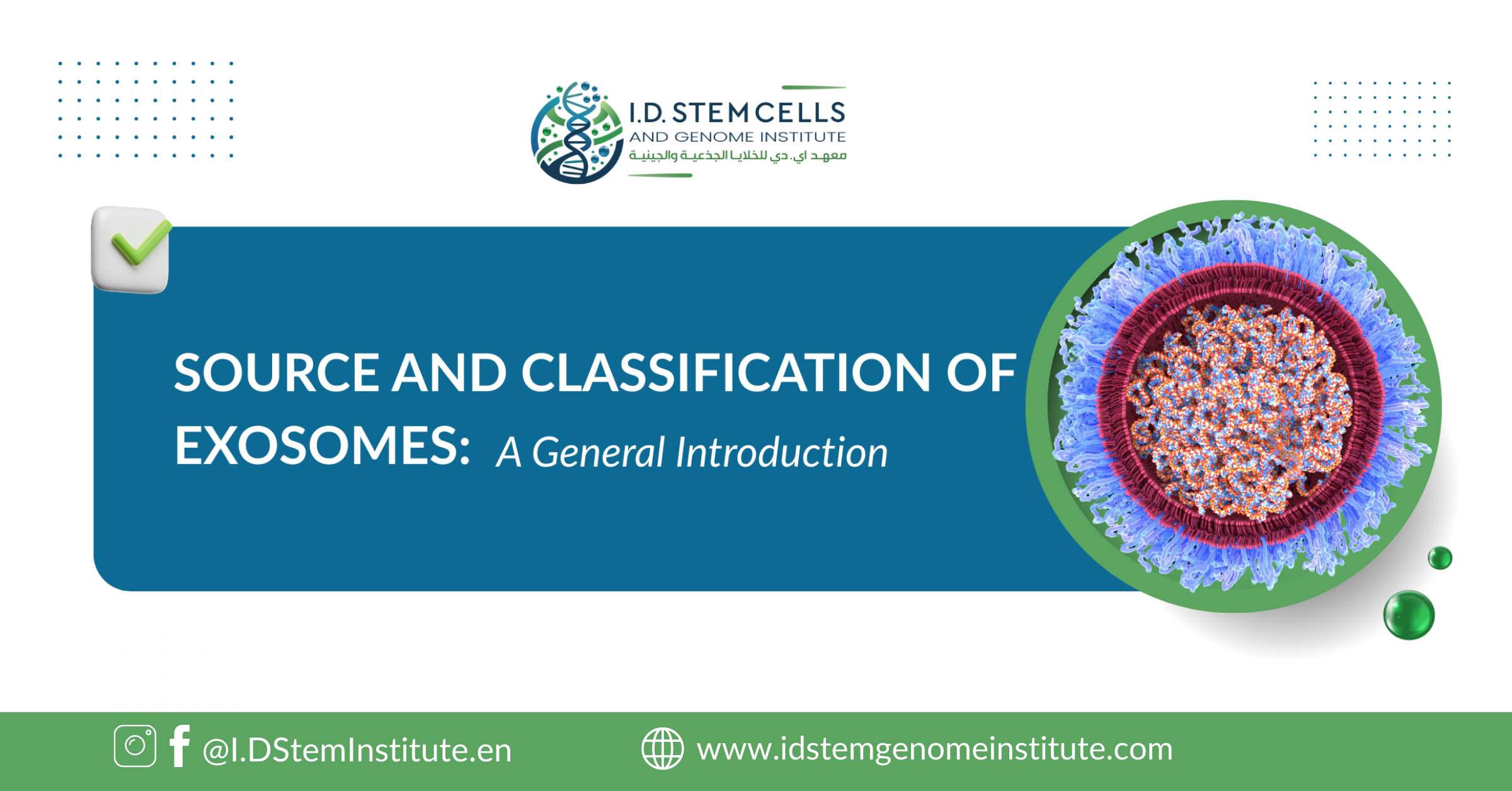
Stem/progrnitor cell-derived exosomes Exosomes are extracellular vesicles carrying various proteins, lipids, and/or RNA and play a key role in intercellular communication. Since the paracrine mechanism is a fundamental mechanism for cardiac repair by stem/progenitor cells, exosomes derived from. These cells, which contain secretory trophic factors (pro-angiogenic and pro-survival cytokines), may constitute an alternative approach to direct cell transplantation. Exosomes derived from cardiac-derived stem cells (CDCs), delivered via intramyocardial injection, have been shown to improve cardiac function and reduce scar size in porcine models of myocardial infarction. Studies have revealed that exosome therapy has the potential to reduce apoptosis and autophagy, as well as improve cardiac function, fibrosis, and the inflammatory response.
Induced Pluripotent Stem Cells
Induced pluripotent stem cells have several advantages over allogeneic stem cells:
There are no ethical concerns regarding cellular origin.
Sources of autologous immune cells, such as the patient's own fibroblasts, eliminate the need for immunosuppression.
- Direct reprogramming methods are available to differentiate into desired tissue-specific cell types without undergoing a pluripotent stage.
Cardiac muscle has been attempted previously from induced pluripotent stem cells. However, iPSC-derived cardiac stem cells (iPSC-CMs) largely expressed an embryonic phenotype and failed to function efficiently as adult stem cells, limiting their clinical application. Virginal vectors used to reprogram fibroblasts may have the potential to cause cancer, and work is underway on non-viral delivery systems such as targeted nanoparticles.
Stem/progrnitor cell-derived exosomes Exosomes are extracellular vesicles carrying various proteins, lipids, and/or RNA and play a key role in intercellular communication. Since the paracrine mechanism is a fundamental mechanism for cardiac repair by stem/progenitor cells, exosomes derived from. These cells, which contain secretory trophic factors (pro-angiogenic and pro-survival cytokines), may constitute an alternative approach to direct cell transplantation. Exosomes derived from cardiac-derived stem cells (CDCs), delivered via intramyocardial injection, have been shown to improve cardiac function and reduce scar size in porcine models of myocardial infarction. Studies have revealed that exosome therapy has the potential to reduce apoptosis and autophagy, as well as improve cardiac function, fibrosis, and the inflammatory response.
Therapeutic mechanisms include:
Protection against myocardial reperfusion injury by reducing stress, enhancing intracellular calcium balance and myocardial contractility, improving cellular energy metabolism and myocardial vitality without increasing the risk of arrhythmia, and modulating immune responses and inflammation.
However, the use of exosome therapy in heart failure patients remains under investigation. Challenges include clinical applications, including exosome delivery, tissue targeting, and immunogenicity.
Dr. Naima Hassan then went on to discuss: Challenges and alternatives to the discrepancy between animal and human studies Human trials involving stem cell therapy often fail to replicate the successes observed in animal models of heart injury. The reasons may be as follows:
Rodent hearts may not accurately mimic the pathophysiology of human heart failure because they differ from human hearts in size, intrinsic heart rate, and genetic and transcriptional profiles.
A number of confounding factors that can be controlled in a laboratory experiment may not be adequately controlled in a human clinical trial, leading to differences in observed outcomes (e.g., diet and genetic background).
Inconsistent results in clinical trials may be due to variations in study protocols between different research groups/institutions regarding donor cell types and sources, treatment dose and duration, delivery methods, and timing of stem cell therapy.
Furthermore, the human cardiac disease process is complex and comprises a dynamic process of progressive tissue ischemia, hypoxia, inflammation, and/or myocardial fibrosis, which makes the host environment harsh for the survival of transplanted cells. Another problem is inadequate cell retention and poor cell survival after administration, as only approximately 11% of the donated cells are retained in the myocardium.
Furthermore, the majority of human trials have used ejection fraction (LVEF) and left ventricular end-systolic and diastolic volume (LVESV) and LVEDV to assess cardiac recovery. Surrogate endpoints may be needed to evaluate the efficacy of stem/progenitor cells, as multiple clinical studies have reported improvements in people's quality of life.
Other challenges remain to be resolved, including:
Designing optimal cell storage strategies to preserve the therapeutic quality of donated stem/progenitor cells
Developing high-throughput experimental protocols or appropriate computational algorithms to select or predict the ideal stem/progenitor cells for treating a specific stage or disease of heart failure, respectively
Developing more non-invasive tools to measure how transplanted progenitor cells function in humans.
Addressing these challenges may help improve the efficacy of stem cell therapy in human trials.
Dr. Islam Dababseh, Director of the ID Stem Cell and Gene Therapy Institute, explains that heart disease is a major focus for the ID Center today, as it attempts to manage heart failure, a progressive disease with no cure through conventional treatments. However, the challenges ahead are significant, as animal studies are not compatible with clinical research.
Therapeutic mechanisms include:
Protection against myocardial reperfusion injury by reducing stress, enhancing intracellular calcium balance and myocardial contractility, improving cellular energy metabolism and myocardial vitality without increasing the risk of arrhythmia, and modulating immune responses and inflammation.
However, the use of exosome therapy in heart failure patients remains under investigation. Challenges include clinical applications, including exosome delivery, tissue targeting, and immunogenicity.
Dr. Naima Hassan then went on to discuss: Challenges and alternatives to the discrepancy between animal and human studies Human trials involving stem cell therapy often fail to replicate the successes observed in animal models of heart injury. The reasons may be as follows:
Rodent hearts may not accurately mimic the pathophysiology of human heart failure because they differ from human hearts in size, intrinsic heart rate, and genetic and transcriptional profiles.
A number of confounding factors that can be controlled in a laboratory experiment may not be adequately controlled in a human clinical trial, leading to differences in observed outcomes (e.g., diet and genetic background).
Inconsistent results in clinical trials may be due to variations in study protocols between different research groups/institutions regarding donor cell types and sources, treatment dose and duration, delivery methods, and timing of stem cell therapy.
Furthermore, the human cardiac disease process is complex and comprises a dynamic process of progressive tissue ischemia, hypoxia, inflammation, and/or myocardial fibrosis, which makes the host environment harsh for the survival of transplanted cells. Another problem is inadequate cell retention and poor cell survival after administration, as only approximately 11% of the donated cells are retained in the myocardium.
Furthermore, the majority of human trials have used ejection fraction (LVEF) and left ventricular end-systolic and diastolic volume (LVESV) and LVEDV to assess cardiac recovery. Surrogate endpoints may be needed to evaluate the efficacy of stem/progenitor cells, as multiple clinical studies have reported improvements in people's quality of life.
Other challenges remain to be resolved, including:
Designing optimal cell storage strategies to preserve the therapeutic quality of donated stem/progenitor cells
Developing high-throughput experimental protocols or appropriate computational algorithms to select or predict the ideal stem/progenitor cells for treating a specific stage or disease of heart failure, respectively
Developing more non-invasive tools to measure how transplanted progenitor cells function in humans.
Addressing these challenges may help improve the efficacy of stem cell therapy in human trials.
Dr. Islam Dababseh, Director of the ID Stem Cell and Gene Therapy Institute, explains that heart disease is a major focus for the ID Center today, as it attempts to manage heart failure, a progressive disease with no cure through conventional treatments. However, the challenges ahead are significant, as animal studies are not compatible with clinical research.
Professor Dr. Islam Dababseh:
Director of the ID Institute for Stem Cells and Gene Therapy.
Dr. Islam Dababseh has over 25 years of experience in stem cell research, with extensive international scientific participation in developing new technologies for treating chronic diseases.
He founded several medical research centers specializing in the use of stem cells to treat a variety of diseases. He has also won numerous awards for his innovations in regenerative medicine and gene therapy.
Professor Dr. Islam Dababseh:
Director of the ID Institute for Stem Cells and Gene Therapy.
Dr. Islam Dababseh has over 25 years of experience in stem cell research, with extensive international scientific participation in developing new technologies for treating chronic diseases.
He founded several medical research centers specializing in the use of stem cells to treat a variety of diseases. He has also won numerous awards for his innovations in regenerative medicine and gene therapy.
Dr. Naama Hassan:
Specialist in Pharmacodynamics.
Head of the Department of Pharmacology and Toxicology at Tishreen University until September 2024.
Lecturer at Tishreen University and Al-Manara Private University - Lattakia.
Supervisor of a large number of master's theses in pharmacology and toxicology.
Holds a master's and doctorate in Pharmacodynamics from Saarland University, Germany.
Dr. Naama Hassan:
Specialist in Pharmacodynamics.
Head of the Department of Pharmacology and Toxicology at Tishreen University until September 2024.
Lecturer at Tishreen University and Al-Manara Private University - Lattakia.
Supervisor of a large number of master's theses in pharmacology and toxicology.
Holds a master's and doctorate in Pharmacodynamics from Saarland University, Germany.