Stem cells are self-renewing cells capable of differentiating into other cell subtypes. I believe they have significant potential in holistic medicine.
These cells vary in their differentiation capacity, and several subtypes can be distinguished. For example, multipotent stem cells have the ability to differentiate into the endodermis, ectoderm, and endoderm. Multipotent stem cells include mesenchymal stem cells (MSCs), which are found in various tissues and can differentiate into specific germ cells.
The properties of skeletal stem cells have been investigated in the context of several conditions, such as degenerative diseases, osteoporosis, and periodontitis
In addition to their structural components, stem cells develop altered properties that contribute to the damage in ten cases. Cardiovascular diseases (CVDs) are a leading cause of death.
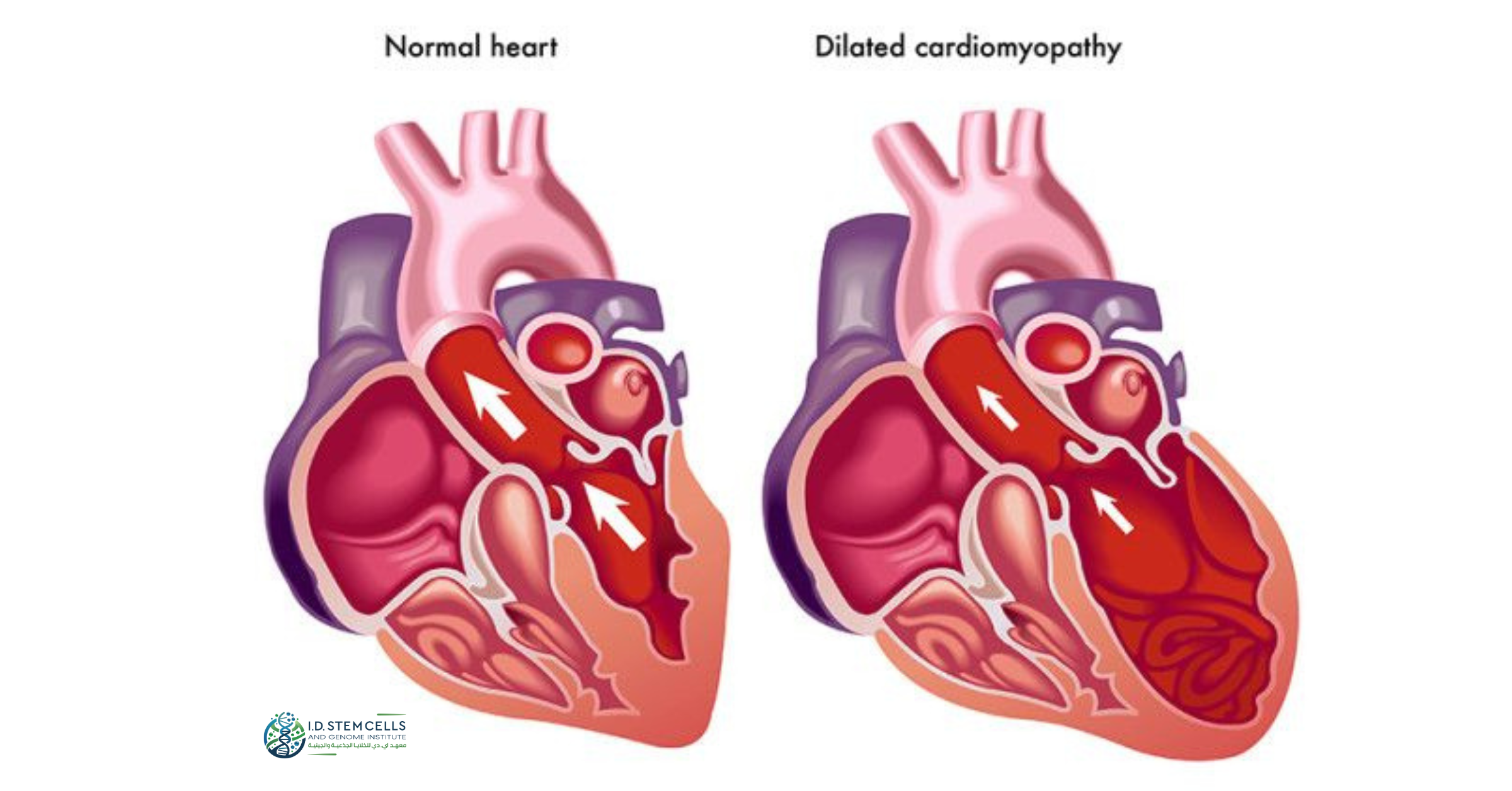
Dilated cardiomyopathy is characterized by ventricular dilation or systolic dysfunction in the absence of any signs of coronary artery disease, leading to heart failure or death. Current treatment strategies are not always effective. Stem cells have opened remarkable new avenues for tissue regeneration in multiple heart diseases.
Mesenchymal stem cells may play a therapeutic role in dilated cardiomyopathy due to their differentiation properties. Preclinical observations have indicated their potential role in treating cardiac fibrosis.
Cardiac fibrosis, resulting from epithelial-to-mesenchymal transition and myofibroblast activity, contributes to the pathogenesis of dilated cardiomyopathy. Importantly, this process has been associated with sudden cardiac death. Stem cells possess potent anti-fibrotic properties, which could be used in the treatment of dilated cardiomyopathy.
Studies have shown that treatment with UC-MSCs reduced cardiac fibrosis in mouse models of dilated cardiomyopathy. Mechanistically, stem cells were found to inhibit the expression of TGF-β1, type III collagen, and p-ERK1/2. Additionally, studies indicated that HuMSCs injection enhanced FS and LVEF. Levels of B-type natriuretic peptide (BNP) and cTNI decreased after HuMSCs administration.
On the other hand, the expression of angiogenic factors, such as vascular endothelial growth factor (VEGF), insulin-like growth factor (IGF-1), and hepatocyte growth factor (HGF), was enhanced. Furthermore, the same mesenchymal stem cell subtype was found to inhibit endothelial-to-mesenchymal cell transition.
Cardioprotective properties were also found in studies on animals with dilated cardiomyopathy (DCM) using BM-MSCs and AD-MSCs.

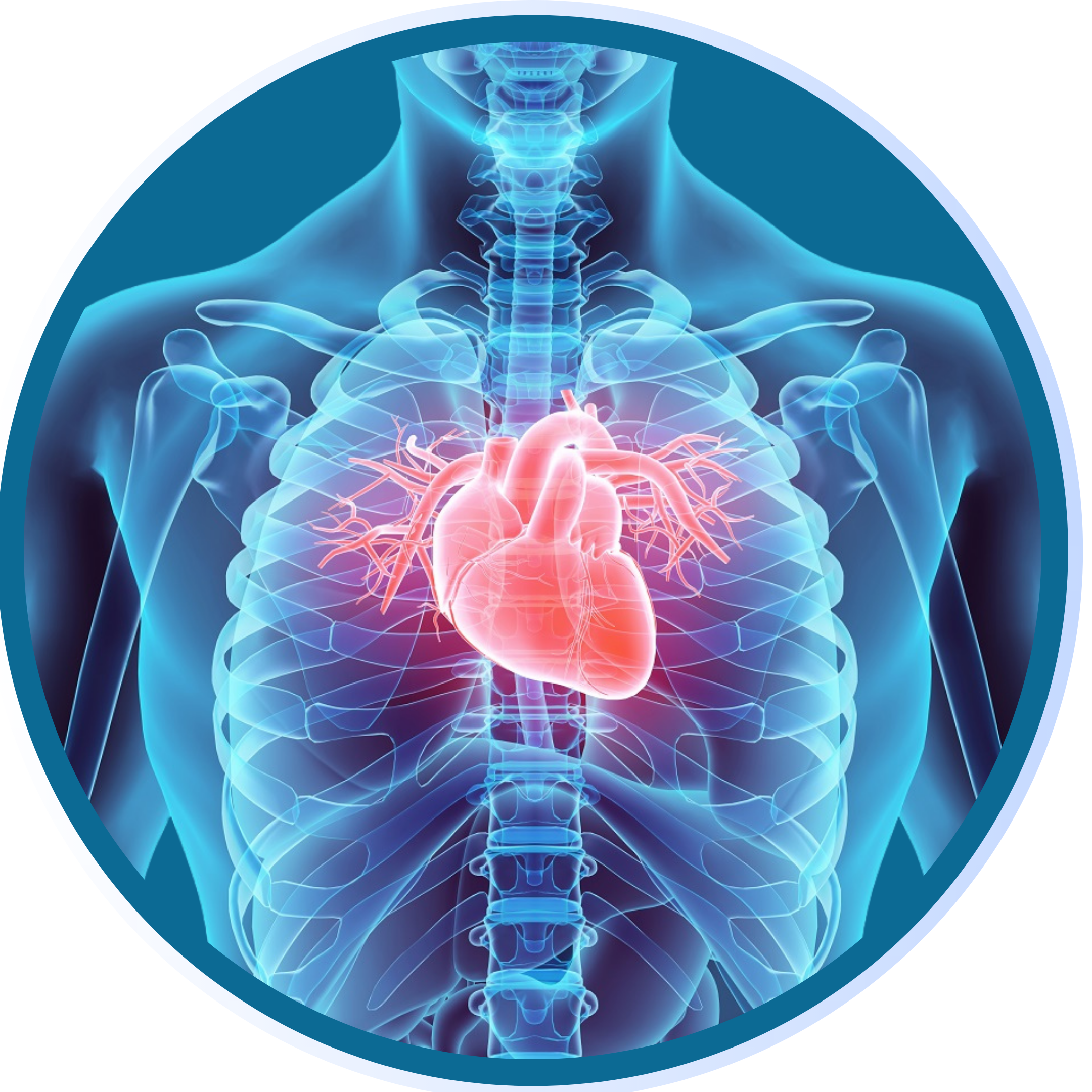
Beneficial effects in DCM were also observed after administration of stem cell-derived exosomes. In mouse models of doxorubicin-induced dilated cardiomyopathy, exosomes could significantly improve cardiac function (LVEF and LVFS) and inhibit cardiomyocyte apoptosis. Interestingly, these membrane-bound structures were also found to promote anti-inflammatory macrophage recruitment by modulating the JAK2/STAT6 axis. These preclinical studies clearly demonstrate the promising efficacy of stem cell- or exosome-based therapies. Consequently, studies have investigated their clinical use, and since the conduct of several smaller clinical trials, meta-analyses have examined the role of cell therapy more broadly.
One such study, published in 2019, included eight clinical trials. According to this analysis, stem cell-based therapy did not improve mortality, but was associated with increased LVEF and decreased LVESV and LVEDCS.