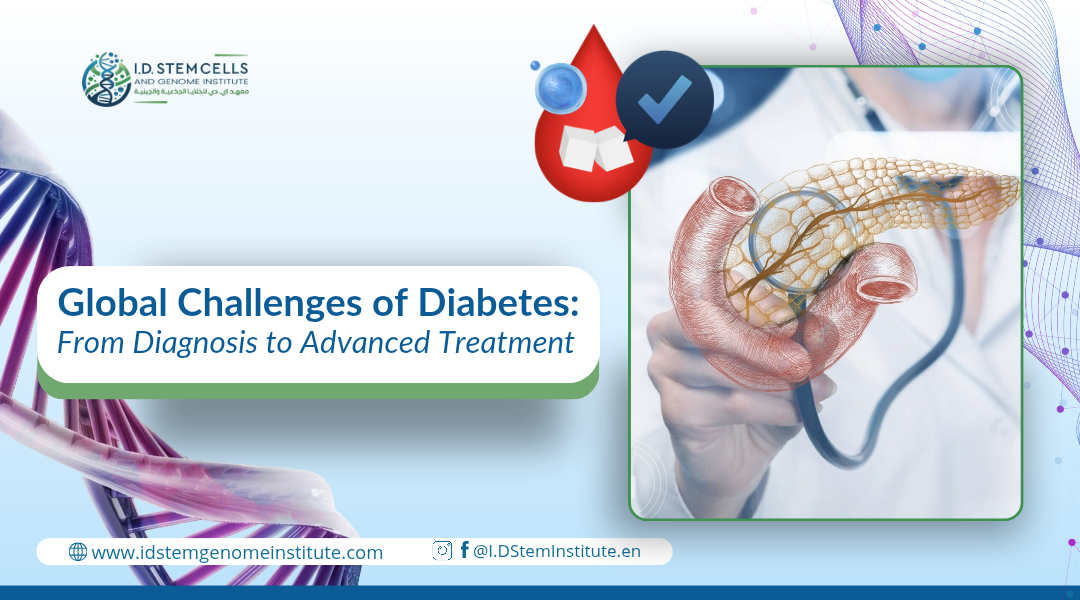
Diabetes is a chronic metabolic condition characterized by high blood sugar levels (hyperglycemia) resulting from impaired insulin production or the body's response to insulin, or both. It is a growing global health challenge, affecting millions of people worldwide, with a significant increase in prevalence due to lifestyle factors and population aging. If not well-controlled, it can lead to serious health complications and increase mortality rates.
Classification and Types of Diabetes
Diabetes is classified into several main types, differing in their causes and pathogenesis:
Type 1 Diabetes (T1DM): This is an autoimmune disease in which the body's immune system destroys the insulin-producing cells (beta
Classification and Types of Diabetes
Diabetes is classified into several main types, differing in their causes and pathogenesis:
Type 1 Diabetes (T1DM): This is an autoimmune disease in which the body's immune system destroys the insulin-producing cells (beta cells) in the pancreas. This leads to an absolute insulin deficiency, requiring lifelong insulin therapy. This type can occur at any age, although it most commonly affects children and young adults.
Type 2 Diabetes (T2DM): This is the most common form, accounting for approximately 90% of diabetes cases worldwide. It is characterized by insulin resistance, where the body's cells do not respond effectively to insulin, and a relative deficiency in insulin secretion from the beta cells in the pancreas. This type is often associated with lifestyle factors such as obesity, lack of physical activity, and an unhealthy diet.
Gestational Diabetes (GDM): Gestational diabetes occurs during pregnancy, when mothers develop insulin resistance due to placental hormones. If the pancreas cannot produce enough insulin to overcome this resistance, blood sugar levels rise. Women who have had gestational diabetes are at increased risk of developing type 2 diabetes later in life.
Monogenic Diabetes (MODY): This is a rare group of monogenic forms of diabetes characterized by autosomal dominant inheritance, early onset, and the absence of autoimmunity in the pancreatic islets. Its clinical features can overlap with type 1 and type 2 diabetes, making accurate diagnosis challenging.
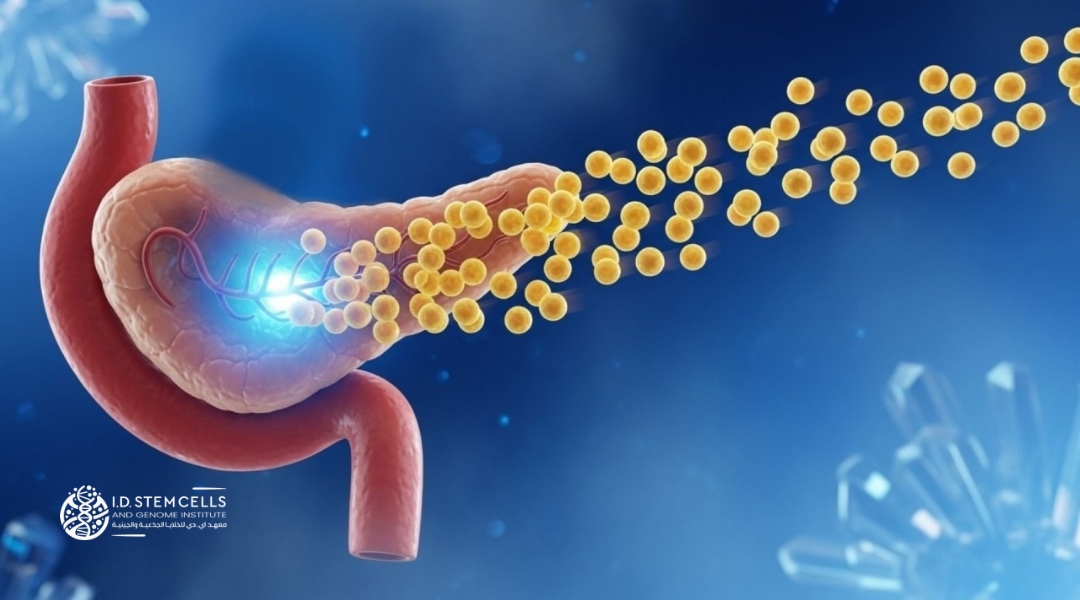
cells) in the pancreas. This leads to an absolute insulin deficiency, requiring lifelong insulin therapy. This type can occur at any age, although it most commonly affects children and young adults.
Type 2 Diabetes (T2DM): This is the most common form, accounting for approximately 90% of diabetes cases worldwide. It is characterized by insulin resistance, where the body's cells do not respond effectively to insulin, and a relative deficiency in insulin secretion from the beta cells in the pancreas. This type is often associated with lifestyle factors such as obesity, lack of physical activity, and an unhealthy diet.
Gestational Diabetes (GDM): Gestational diabetes occurs during pregnancy, when mothers develop insulin resistance due to placental hormones. If the pancreas cannot produce enough insulin to overcome this resistance, blood sugar levels rise. Women who have had gestational diabetes are at increased risk of developing type 2 diabetes later in life.
Monogenic Diabetes (MODY): This is a rare group of monogenic forms of diabetes characterized by autosomal dominant inheritance, early onset, and the absence of autoimmunity in the pancreatic islets. Its clinical features can overlap with type 1 and type 2 diabetes, making accurate diagnosis challenging.
Pathophysiology and complications
The pathophysiology of diabetes involves a complex set of changes that affect glucose regulation in the body. In type 1 diabetes, the self-destruction of beta cells leads to an absolute deficiency of insulin, which prevents cells from absorbing glucose and leads to elevated blood glucose levels. This insulin deficiency also leads to the breakdown of fats and proteins for energy, producing ketone bodies that can cause diabetic ketoacidosis (DKA). In type 2 diabetes, the problem begins with insulin resistance, where muscle, fat, and liver cells don't respond well to insulin. In response, the beta cells in the pancreas try to produce more insulin, but over time, these cells become exhausted and fail to meet the increased demand, resulting in a relative insulin deficiency. Chronic hyperglycemia is associated with a wide range of life-threatening complications, including cardiovascular disease, kidney disease, diabetic retinopathy, neuropathy, and diabetic foot. Chronic high blood sugar levels also lead to the formation of advanced glycosylated end products (AGEs), which cause chronic tissue damage and contribute to kidney disease and impaired wound healing. Hyperglycemia also weakens the immune system, increasing susceptibility to bacterial and fungal infections.
Pathophysiology and complications
The pathophysiology of diabetes involves a complex set of changes that affect glucose regulation in the body. In type 1 diabetes, the self-destruction of beta cells leads to an absolute deficiency of insulin, which prevents cells from absorbing glucose and leads to elevated blood glucose levels. This insulin deficiency also leads to the breakdown of fats and proteins for energy, producing ketone bodies that can cause diabetic ketoacidosis (DKA). In type 2 diabetes, the problem begins with insulin resistance, where muscle, fat, and liver cells don't respond well to insulin. In response, the beta cells in the pancreas try to produce more insulin, but over time, these cells become exhausted and fail to meet the increased demand, resulting in a relative insulin deficiency. Chronic hyperglycemia is associated with a wide range of life-threatening complications, including cardiovascular disease, kidney disease, diabetic retinopathy, neuropathy, and diabetic foot. Chronic high blood sugar levels also lead to the formation of advanced glycosylated end products (AGEs), which cause chronic tissue damage and contribute to kidney disease and impaired wound healing. Hyperglycemia also weakens the immune system, increasing susceptibility to bacterial and fungal infections.
Diabetes Diagnosis and Management
Diabetes diagnosis relies on measuring blood glucose levels through tests such as fasting blood glucose, oral glucose tolerance test (OGTT), and glycosylated hemoglobin (HbA1c). Each test provides a unique view of glucose metabolism. In asymptomatic cases, a definitive diagnosis requires confirmatory testing to verify the results. Diabetes management requires a multifaceted approach combining behavioral interventions and medication. Metformin remains the standard first-line treatment for type 2 diabetes. Other treatment strategies include oral hypoglycemic agents and insulin injections, as well as lifestyle modifications such as diet and exercise.
Diabetes Diagnosis and Management
Diabetes diagnosis relies on measuring blood glucose levels through tests such as fasting blood glucose, oral glucose tolerance test (OGTT), and glycosylated hemoglobin (HbA1c). Each test provides a unique view of glucose metabolism. In asymptomatic cases, a definitive diagnosis requires confirmatory testing to verify the results. Diabetes management requires a multifaceted approach combining behavioral interventions and medication. Metformin remains the standard first-line treatment for type 2 diabetes. Other treatment strategies include oral hypoglycemic agents and insulin injections, as well as lifestyle modifications such as diet and exercise.
Recent Advances in Treatment
Diabetes management has seen significant progress, particularly with modern technologies and artificial intelligence:
Closed-loop insulin delivery systems: These systems, such as smart pumps and continuous glucose monitoring (CGM) devices, offer a more automated and precise approach to managing blood glucose levels and are especially important for people with type 1 diabetes.
Artificial Intelligence (AI) in Diabetes Management: AI is being used to enhance the prevention, diagnosis, and effective management of diabetes (it can personalize treatment plans and insulin doses, provide customized dietary and lifestyle advice, and improve diagnostic accuracy in medical imaging).
New Medications: New classes of medications, such as dipeptidyl peptidase-4 (DPP-4) inhibitors, have emerged for managing type 2 diabetes, aiming to improve glucose levels.
Stem Cells: These cells represent a new scientific revolution and a real possibility in the treatment of diabetes and its complications.
At the I.D. Stem Cells and Genome Institute, we keep abreast of the latest scientific developments in the field of stem cell and gene therapy and regenerative medicine. If you are interested in learning more about the potential benefits of these treatments and the latest research findings, please feel free to contact us.
Recent Advances in Treatment
Diabetes management has seen significant progress, particularly with modern technologies and artificial intelligence:
Closed-loop insulin delivery systems: These systems, such as smart pumps and continuous glucose monitoring (CGM) devices, offer a more automated and precise approach to managing blood glucose levels and are especially important for people with type 1 diabetes.
Artificial Intelligence (AI) in Diabetes Management: AI is being used to enhance the prevention, diagnosis, and effective management of diabetes (it can personalize treatment plans and insulin doses, provide customized dietary and lifestyle advice, and improve diagnostic accuracy in medical imaging).
New Medications: New classes of medications, such as dipeptidyl peptidase-4 (DPP-4) inhibitors, have emerged for managing type 2 diabetes, aiming to improve glucose levels.
Stem Cells: These cells represent a new scientific revolution and a real possibility in the treatment of diabetes and its complications.
At the I.D. Stem Cells and Genome Institute, we keep abreast of the latest scientific developments in the field of stem cell and gene therapy and regenerative medicine. If you are interested in learning more about the potential benefits of these treatments and the latest research findings, please feel free to contact us.