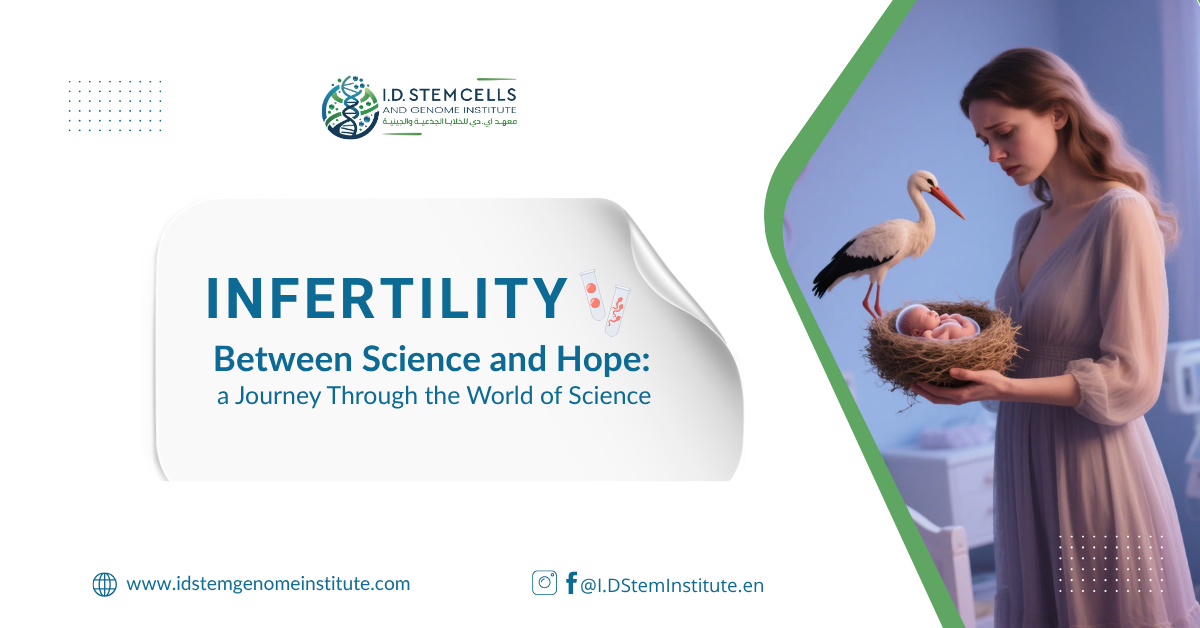
In a world where awareness of reproductive health is growing, the topic of infertility has emerged as one of the most complex and controversial issues. Infertility is not just a dry medical condition; it is a human journey filled with psychological and emotional challenges, along with advanced scientific dimensions that attempt to provide solutions for hope.
How is infertility used in modern medicine? What are the latest methods doctors rely on to help couples experiencing difficulties conceiving?
Infertility is medically defined as the inability to conceive after a full year of regular attempts without using any contraceptive methods. Statistics indicate that approximately 15% of couples worldwide face this problem, making it a common issue that requires careful understanding and sensitive handling. Although the traditional view has often placed blame on women, recent studies show that the causes of infertility are roughly equally distributed between men and women, with a percentage of cases remaining unexplained.
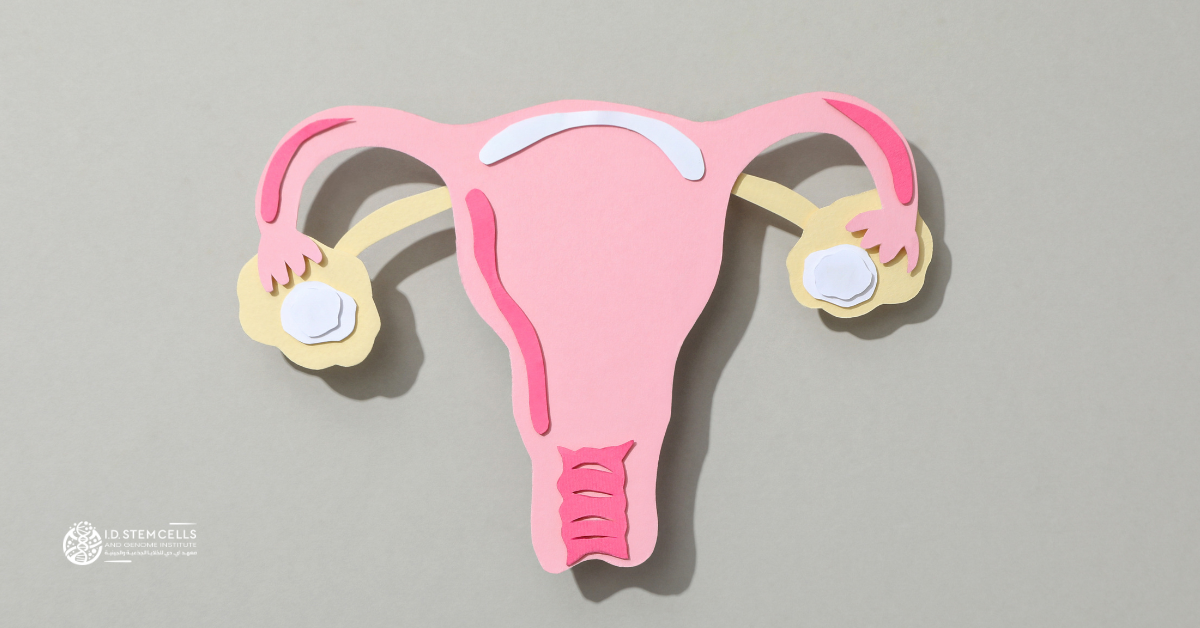
Initially, when a couple consults a doctor, the diagnostic process begins, relying on a series of thorough tests. For men, semen is analyzed to assess sperm count, motility, and morphology. For women, tests include hormonal tests, ovulation tests, and an ultrasound or laparoscopy of the uterus and fallopian tubes.
These steps are essential to determine the underlying cause of infertility, whether it is related to blocked tubes, ovulation problems, or male infertility.


Once the cause is identified, treatment begins, which varies depending on the nature of the problem. In some cases, solutions are simple, such as prescribing ovulation-stimulating medications for women suffering from ovulation disorders. In other cases, surgical intervention may be required, such as in the case of blocked fallopian tubes or uterine fibroids. However, when these traditional methods fail, assisted reproductive technologies (ARTs) come into play, which have seen remarkable development in recent decades.
The most popular and widely used of these techniques is in vitro fertilization (IVF), where the egg is fertilized with sperm outside the body in a laboratory, and the resulting embryo is then transferred to the mother's uterus. This method has helped millions of families around the world, but it is not without challenges, such as its high cost and the lack of a guarantee of success on the first attempt. Other techniques, such as in vitro fertilization (ICSI), are used in cases of low sperm count, where a single sperm is injected directly into the egg to ensure fertilization.
How is infertility used in modern medicine? What are the latest methods doctors rely on to help couples experiencing difficulties conceiving?
Infertility is medically defined as the inability to conceive after a full year of regular attempts without using any contraceptive methods. Statistics indicate that approximately 15% of couples worldwide face this problem, making it a common issue that requires careful understanding and sensitive handling. Although the traditional view has often placed blame on women, recent studies show that the causes of infertility are roughly equally distributed between men and women, with a percentage of cases remaining unexplained.
Initially, when a couple consults a doctor, the diagnostic process begins, relying on a series of thorough tests. For men, semen is analyzed to assess sperm count, motility, and morphology. For women, tests include hormonal tests, ovulation tests, and an ultrasound or laparoscopy of the uterus and fallopian tubes.
These steps are essential to determine the underlying cause of infertility, whether it is related to blocked tubes, ovulation problems, or male infertility.
Once the cause is identified, treatment begins, which varies depending on the nature of the problem. In some cases, solutions are simple, such as prescribing ovulation-stimulating medications for women suffering from ovulation disorders. In other cases, surgical intervention may be required, such as in the case of blocked fallopian tubes or uterine fibroids. However, when these traditional methods fail, assisted reproductive technologies (ARTs) come into play, which have seen remarkable development in recent decades.
The most popular and widely used of these techniques is in vitro fertilization (IVF), where the egg is fertilized with sperm outside the body in a laboratory, and the resulting embryo is then transferred to the mother's uterus. This method has helped millions of families around the world, but it is not without challenges, such as its high cost and the lack of a guarantee of success on the first attempt. Other techniques, such as in vitro fertilization (ICSI), are used in cases of low sperm count, where a single sperm is injected directly into the egg to ensure fertilization.
But science doesn't stop there. Recent research is opening new horizons in infertility treatment. For example, egg freezing has become an option for women who wish to postpone childbearing for personal or health reasons. Gene editing techniques, although still under investigation, may offer radical solutions to some genetic causes of infertility in the future.
Despite all these developments, the psychological and social aspects of infertility remain extremely important. Dealing with infertility is not just a medical experience; it is also a test of patience and emotional strength. Many couples go through periods of frustration and anxiety, especially with repeated failed attempts or the rising costs of treatment. This is where psychological and social support, whether through support groups or specialized counseling, comes in to help couples navigate this journey with the least possible psychological damage.
Ultimately, infertility is both a medical and human challenge, but ongoing scientific advances provide hope to more families every day. Between rigorous scientific facts and touching human stories, the pursuit of a deeper understanding of infertility and its treatment remains a vital path in the world of modern medicine. With each new development, many people's dreams of starting a family come closer to reality.